pygmy pine Care (Lepidothamnus laxifolius)

Also known as: mountain rimu
pygmy pine

About pygmy pine

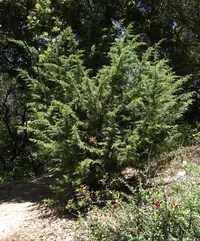
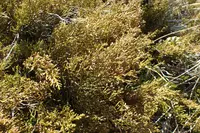
Pygmy pine, Lepidothamnus laxifolius, is a very low-growing conifer from New Zealand, often forming dense, mat-like cushions close to the ground. It is one of the smallest woody conifers, with fine, scale-like foliage that gives a soft, mossy look rather than the typical pine appearance.

In nature it occurs in cold, wet alpine and subalpine habitats, often in boggy or peaty soils with excellent drainage yet constant moisture. It grows slowly and can be sensitive to heat, drought, and compacted or lime-rich soils, which makes it more demanding than many common garden conifers.

Gardeners who want to care for pygmy pine should focus on cool conditions, consistent moisture, and acidic, well-aerated soil to keep this specialist shrub healthy.

Main Plant Requirements

Care Difficulty

Hard Care

Light Preference

Partial Shade

Water Requirements

Keep Soil Moist

Temperature Preference

Cold Hardy

Hardiness Zone

7–9

Soil Texture

Loamy, Peaty, Organic-rich

Soil pH

Strongly acidic (4.5–5.5), Acidic (5.5–6.5)

Soil Drainage

Moist but well-drained

Fertilization

Minimal (feed rarely)

Get Personalized Care Plan

Scan your plant to receive care tips personalized for your specific plant

Available on iOS and Android

How to Care for the pygmy pine

This low-growing conifer prefers cool, bright conditions with soft, diffused light.

  • Aim for 3–5 hours of gentle morning sun with bright, filtered light the rest of the day; avoid harsh afternoon sun that can scorch foliage.
  • Provide partial shade in summer, especially in hotter regions, using overhead shrubs, shade cloth, or dappled tree cover for pygmy pine.
  • In winter, allow more open light by thinning overhead shade, but still avoid strong reflective glare from snow or nearby hard surfaces.

This species prefers consistently moist but never waterlogged soil in cool, well-drained sites.

  • Water when the top 2–3 cm of soil feels slightly dry, then moisten the root zone slowly so water penetrates without pooling on the surface.
  • Use sharply drained, slightly acidic soil with added grit or fine bark to prevent standing water, which leads to root rot and yellowing foliage.
  • In cooler months, reduce watering frequency and rely on natural rainfall, watching for drooping or browning tips as a sign the plant has stayed too dry.

This alpine shrub is adapted to cool, stable temperatures and dislikes extreme heat.

  • Ideal growing temperatures are 45–65°F (7–18°C), with slow but steady growth and less stress on roots and foliage in this range.
  • The plant tolerates light frost and short dips to about 20°F (-6°C), but young plants benefit from mulch to buffer repeated freeze–thaw cycles.
  • Heat above 80°F (27°C), especially with dry winds, can cause browning; provide shade, extra mulch, and wind protection during hot spells.

This species prefers cool, moderately moist air but is not highly humidity-sensitive.

  • Aim for 50–70% humidity, similar to a cool, damp outdoor environment.
  • Tolerates brief dips into drier air but foliage may bronze or tip-burn if humidity stays low and soil also dries out.
  • Increase humidity outdoors by grouping containers and using mulch over the soil surface to slow evaporation, or place pots near other dense plantings.

This species performs best in consistently moist, light, acidic soil that mimics boggy, peaty ground.

  • Use a loose mix of 50–70% peat or fine composted bark with sharp sand or pumice to keep the structure open and airy.
  • Ensure fast drainage through the profile; water should move through within seconds yet leave the mix evenly moist, not waterlogged.
  • Target a slightly acidic pH around 5.0–6.0, avoiding lime-rich components such as regular garden soil or concrete rubble.
  • For Lepidothamnus laxifolius, avoid dense clay, compacted ground, or mix that crusts over, since low aeration quickly damages fine roots.

This species can be grown in containers for specialized, cool, moist displays.

  • Choose a wide, shallow, heavy pot to accommodate its low, spreading habit and prevent tipping in strong wind.
  • Select thick-walled clay or ceramic containers to buffer rapid temperature and moisture swings around the fine root system.
  • Layer coarse gravel or large pumice at the base only if drainage holes are large, to prevent mix loss while allowing quick water exit.

Lepidothamnus laxifolius is a naturally slow-growing conifer that needs only light feeding in cultivation.

  • Use a low-dose, balanced slow-release fertilizer (around 8-8-8 or 10-10-10) in spring for pygmy pine in poorer soils.
  • Apply once per year during the growing season, lightly scratched into the topsoil and watered in well.
  • Avoid feeding in fall and winter to prevent soft, cold-sensitive growth and nutrient buildup.
  • If soil is already fertile, skip fertilizer and rely on a thin layer of fine compost as a top-dressing.

Lepidothamnus laxifolius requires minimal pruning, mainly to maintain health and a compact outline.

  • Carry out light pruning in late winter or early spring before new growth begins.
  • Remove dead, damaged, or crossing stems with clean, sharp hand pruners to limit disease entry.
  • Thin very crowded shoots slightly to improve light penetration while keeping the plant’s natural low, bushy form.
  • Avoid heavy cutting into old wood, as regrowth is slow and may leave permanent gaps.

This species is usually grown in the ground, so care focuses on careful transplanting rather than frequent repotting.

  • Transplant young plants in early spring or early fall when temperatures are mild and soil is moist.
  • Look for signs such as slow growth, roots circling a nursery pot, or the plant becoming unstable in its container.
  • Shift to only 1 pot size larger, or into a permanent site with cool, well-drained, slightly acidic soil.
  • Reduce root stress by watering thoroughly before and after moving, disturbing the root ball as little as possible, and shading for 1–2 weeks.

Lepidothamnus laxifolius is slow to multiply and is usually propagated by semi-hardwood cuttings or seed under controlled conditions.

  • Take semi-hardwood cuttings in late summer, using non-flowering shoots 5–8 cm long with a clean, angled cut.
  • Dip bases in a mild rooting hormone and place in a sterile, free-draining mix kept evenly moist and cool, not wet.
  • Provide bright, indirect light, high humidity, and good air movement; expect rooting to take many weeks or months.
  • Sow fresh seed in a cool, well-drained medium, allowing natural or cold stratification to improve germination.

This low-growing conifer is cold hardy but benefits from some winter care in exposed or container situations.

  • Tolerates typical frosts in cool climates, but young or potted plants are more vulnerable to deep freezes.
  • Apply a 3–5 cm mulch of fine bark or leaf mold around the root zone, keeping it back from stems.
  • In very cold or windy sites, shelter plants from drying winds using a windbreak or temporary screen.
  • Move containers to a sheltered, unheated but frost-free or minimally frosty area, keeping the root ball just slightly moist.

Care Tips

Low-profile placement

Site plants where their naturally prostrate habit will not be shaded by taller shrubs or groundcovers, such as at the front of a rock garden or on a berm, so the foliage receives good air movement and light from the side.

Rock mulch use

Use a thin layer of small, inert gravel or rock chips rather than organic bark mulch around the plant to mimic alpine screes, keep the crown drier, and reduce the risk of rot at the stem base.

Winter snow management

In cold, snowy areas, allow light, insulating snow to remain but gently brush off heavy, icy accumulations that could snap the fine branches or bury the plant for long periods.

Companion planting choice

Pair it with very shallow-rooted alpine species that prefer similar cool, moist conditions so roots are not outcompeted, avoiding vigorous groundcovers that can quickly overrun its slow growth.

Raised bed microclimate

Use a raised, free-draining bed or trough with a slightly sloped surface to prevent water from pooling around the woody crown, which is especially useful when caring for pygmy pine in regions with wet winters.

Common Pests and Diseases

Scale insects

This pest attaches to stems and older foliage, sucking sap and causing yellowing, stunting, and dieback of fine branchlets. Symptoms include small brown or grey bumps that do not brush off easily and sticky honeydew on nearby surfaces.

Solution

Physically remove light infestations by gently scraping with a soft brush or cloth, then rinse the plant with a firm stream of water. For persistent colonies, apply a light horticultural oil or insecticidal soap, ensuring thorough coverage of stems and undersides of leaves, and repeat every 7–10 days until new growth appears clean.

Spider mites

These insects are actually tiny arachnids that thrive on Lepidothamnus foliage grown in warm, dry air, causing fine stippling, dulling, and eventual bronzing of the needles. Symptoms include very fine webbing in branch junctions and premature needle drop in severe cases.

Solution

Increase humidity around the plant, then hose down foliage to dislodge mites, paying attention to shoot tips and inner branches. If activity continues, use insecticidal soap or a neem-based product, applied in the cool part of the day and repeated several times, while avoiding heat or drought stress to the plant.

Needle blight

This disease affects young needles and short shoots, which turn yellow to reddish brown and may drop prematurely, giving the plant a patchy, thinned appearance. Symptoms include localized dieback of outer shoot tips while inner wood remains alive.

Solution

Prune out and discard affected shoots back to healthy wood, disinfecting tools between cuts, and avoid overhead watering that keeps foliage wet for long periods. Improve air movement, reduce crowding from nearby plants, and, in damp climates with recurring issues, use a suitable copper or broad-spectrum fungicide labeled for conifer needle blights at the first signs of discoloration.

Phytophthora collar rot

This disease attacks the collar and upper root zone in poorly drained or compacted soils, leading to gradual yellowing, reduced vigor, and sudden collapse of foliage despite moist soil. Symptoms include dark, sunken lesions at the stem base and discolored tissues under the bark.

Solution

Remove and destroy badly affected plants and avoid replanting Lepidothamnus in the same poorly drained spot. For minor cases, improve drainage by raising the planting area, reduce watering frequency, and consider preventive use of a phosphite-based fungicide drench, while carefully monitoring soil moisture around the collar zone.

Interesting Facts

World’s smallest conifer

This New Zealand species is widely regarded as the smallest-growing tree-forming conifer, often staying only a few centimeters tall while still producing woody stems and cones.

Alpine cushion specialist

It typically grows in harsh subalpine and alpine habitats, forming low, tangled mats that hug the ground and benefit from the slightly warmer, more sheltered microclimate close to the soil surface.

Tiny berry-like cones

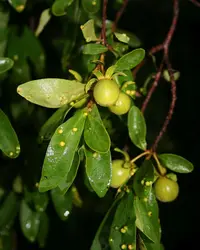
Its reproductive structures are extremely reduced, with fleshy, red, berry-like cones that are adapted for dispersal by birds rather than the dry, woody cones seen in many other conifers.

Botan icon

Did you know?

Genetic and morphological studies place this species within the podocarp family (Podocarpaceae), making it a highly unusual example of an extremely dwarf, ground-hugging podocarp in contrast to its mostly tree-sized relatives.

FAQs about pygmy pine

This species performs best outdoors in cool, moist, well-drained conditions that mimic its native montane habitats. Indoors it usually declines due to low light, dry air, and heat. Container culture outdoors in mild climates is more realistic than true pygmy pine indoor care.

Grow Healthy Plants with Botan Care

Keep your plants happy and healthy with plant identification, disease detection, and easy care guidance.

Botan plant care app — identify plants on mobile

Explore More Plants