Mulch For Moisture
Apply a 5–8 cm layer of shredded bark or pine needles over the root zone each spring, keeping it a few cm away from the stems, to stabilize soil moisture and temperature and reduce weed competition around the shrub.

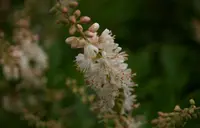
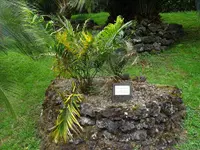
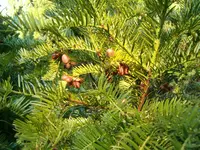
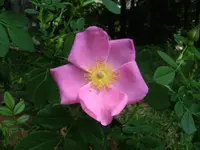
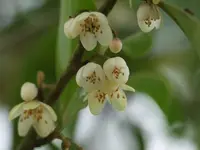
Summersweet, Clethra alnifolia, is a deciduous flowering shrub native to moist woodlands and stream edges in eastern North America. It forms a dense, upright clump with many stems. Plants carry glossy green leaves and produce fragrant white or pink bottlebrush-like flower spikes in mid to late summer, often attracting bees and butterflies. After flowering, it develops small brown seed capsules that add light winter interest. This shrub adapts well to average garden conditions but prefers consistently moist, acidic soil. Partial shade suits it well, though it can tolerate full sun in cooler or damp sites, which makes it relatively straightforward to care for Summersweet.

Care Difficulty
Easy Care

Light Preference
Partial Shade

Water Requirements
Keep Soil Moist

Temperature Preference
Cold Hardy

Hardiness Zone
4–9

Soil Texture
Loamy, Clay, Organic-rich

Soil pH
Strongly acidic (4.5–5.5), Acidic (5.5–6.5)

Soil Drainage
Moist but well-drained

Fertilization
Minimal (feed rarely)
Scan your plant to receive care tips personalized for your specific plant
Available on iOS and Android
This deciduous shrub prefers consistently moist sites with moderate sunlight for best flowering.
This shrub is naturally adapted to moist, even boggy soils and dislikes drying out completely.
This hardy shrub suits temperate climates with cold winters and warm, not extreme, summers.
This shrub tolerates a wide humidity range, so humidity management is usually low priority outdoors.
Clethra alnifolia prefers consistently moist, organic-rich soil with reliable drainage.
This species can be grown in containers, but only when given a large, moisture-retentive setup.
Clethra alnifolia is a low-maintenance, shallow-rooted shrub that benefits from modest, well-timed feeding.
Pruning Clethra alnifolia is mainly done to maintain shape and encourage healthy flowering wood.
Clethra alnifolia is usually grown in the ground, so focus on careful transplanting rather than frequent repotting.
Clethra alnifolia is commonly propagated by softwood or semi-ripe cuttings, as well as by division or seed in some cases.
Clethra alnifolia is generally cold hardy in much of the US and usually needs only basic winter care.

Plant Health Check
Not sure what's wrong with your plant? Check your plant's health inside the app.
This species is naturally adapted to acidic, wet, and even periodically flooded soils in coastal plains and bog margins, where many other shrubs cannot survive long-term.
It flowers in mid to late summer, providing an important nectar and pollen resource for native bees, butterflies, and other pollinators during a seasonal gap when many spring shrubs are already finished.
The white flower spikes release a strong sweet scent that is especially attractive to bees and hoverflies, which use the dense inflorescences as both a foraging site and a sheltering structure.

Genetic and field studies have shown that different natural populations of Clethra alnifolia can vary noticeably in traits such as plant height, flower size, and flowering time, which has allowed horticulturists to select and name many distinct cultivars for gardens and restoration projects.
Poor flowering usually comes from too much shade, dry soil, or incorrect pruning. This shrub blooms on new growth, so prune right after flowering, never in spring. Consistent moisture and full to partial sun improve bud formation.
Keep your plants happy and healthy with plant identification, disease detection, and easy care guidance.