European dwarf cherry Care (Prunus fruticosa)

Also known as: European Ground Cherry, Mongolian Cherry, Steppe Cherry, Ground Cherry
European dwarf cherry

About European dwarf cherry

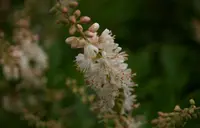
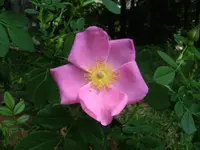
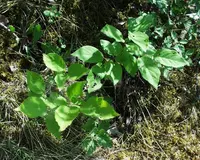
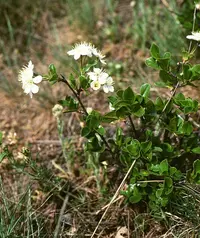
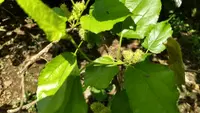
European dwarf cherry, Prunus fruticosa, is a compact, deciduous shrub in the rose family, valued for its small size and ornamental spring flowers. It typically forms a rounded, bushy shape with fine branching, white blossom displays, and small tart cherries that attract wildlife.

This species is native to central and eastern Europe and parts of western Asia, where it grows in open woodlands, steppe edges, and sunny slopes. Its natural tolerance of cold, wind, and relatively poor soils makes it a practical choice for low-maintenance landscapes.

Those learning how to care for European dwarf cherry benefit from its overall hardiness, provided it receives good light, well-drained soil, and moderate moisture.

Main Plant Requirements

Care Difficulty

Moderate Care

Light Preference

Full Sun

Water Requirements

Moderate Water

Temperature Preference

Cold Hardy

Hardiness Zone

4–8

Soil Texture

Sandy, Loamy, Clay

Soil pH

Acidic (5.5–6.5), Slightly acidic (6.5–7.0)

Soil Drainage

Well-drained

Fertilization

Minimal (feed rarely)

Get Personalized Care Plan

Scan your plant to receive care tips personalized for your specific plant

Available on iOS and Android

How to Care for the European dwarf cherry

This shrub thrives in bright outdoor conditions with direct sun for best flowering and fruiting.

  • Provide 6–8 hours of direct sun daily; morning and midday sun are ideal, with some light afternoon shade in hotter regions.
  • It tolerates light partial shade (around 3–4 hours of sun), but flowering and fruit set decline as shade increases.
  • In summer, monitor leaves for scorch on exposed, reflective sites; in low-light or heavily shaded spots, expect weak growth, long shoots, and sparse blooms on European dwarf cherry.

Prunus fruticosa prefers evenly moist, well-drained soil rather than constantly wet or very dry conditions.

  • Before watering, let the top 3–5 cm of soil dry; then water deeply so moisture reaches the root zone, not just the surface.
  • Increase watering frequency in late spring and summer dry spells, and reduce it in cool, rainy periods and during winter dormancy.
  • Watch for yellowing, soft leaves and soggy soil as signs of overwatering, and for limp, crispy leaves and cracked dry soil as signs of underwatering.

This hardy cherry shrub is well adapted to temperate climates with cold winters and mild to warm summers.

  • Active growth and flowering are strongest around 60–75°F (16–24°C), typical of spring and early summer conditions.
  • Dormant plants tolerate winter lows down to about -20°F (-29°C) in the ground, but late spring frosts near 28–30°F (-2 to -1°C) can damage blossoms.
  • In hot spells above 86°F (30°C), use mulch to keep roots cool and avoid reflected heat from walls or paving to limit leaf scorch and stress.

This shrub tolerates a wide humidity range and usually does not need special humidity management.

  • Aim for 30–60% humidity, similar to typical outdoor or unconditioned indoor air.
  • Dry air is usually tolerated, but prolonged very low humidity with heat can lead to leaf edge browning.
  • If air is extremely dry, group plants together or place near a tray of water and stones to slightly raise local humidity.

Prunus fruticosa prefers moderately fertile, well-aerated, well-drained mineral soil.

  • Use a loamy or sandy-loam soil with 20–30% coarse material such as sharp sand or fine grit to prevent waterlogging.
  • Maintain soil pH around 6.5–7.5; avoid strongly acidic or very alkaline conditions that limit nutrient uptake.
  • In containers or raised beds, mix roughly 60% loam-based soil, 20% compost, and 20% perlite or grit for aeration and drainage.
  • Avoid heavy clay, compacted areas, or sites where water sits for more than a few hours after rain.

This species can be grown in containers if the pot is chosen and managed carefully.

  • Select a wide, heavy pot to stabilize the naturally spreading canopy against wind and accidental knocks.
  • Use a deep container that allows a strong root system to form, which supports flowering and fruiting under limited soil volume.
  • Choose a clay or other porous pot material if faster evaporation is needed in wet climates, or a thicker plastic pot to retain moisture in hotter, drier sites.

Prunus fruticosa benefits from light, balanced feeding but often grows acceptably in reasonably fertile soil.

  • Apply a balanced granular or slow-release fertilizer (e.g., 10-10-10) once in early spring as new growth starts.
  • Use a light rate, about half the label recommendation for shrubs, to avoid overly lush, weak growth.
  • On poor soils, supplement with a thin layer of well-rotted compost over the root zone each spring.
  • Stop feeding by midsummer and avoid fertilizing during fall and winter dormancy.

Prunus fruticosa responds well to thoughtful pruning that maintains shape and flowering wood.

  • Carry out main pruning in late winter or very early spring before bud break.
  • Remove dead, diseased, damaged, or rubbing branches first using clean, sharp bypass pruners or loppers.
  • Thin congested interior shoots to improve light and air flow, which supports healthier growth and better flowering.
  • Shorten overly long shoots to maintain a compact form, cutting just above an outward-facing bud.

European dwarf cherry is usually grown in the ground, so focus on careful transplanting rather than frequent repotting.

  • Transplant young plants in early spring or fall when soil is moist and temperatures are mild.
  • Look for signs such as slow growth, roots circling the container, or becoming pot-bound before moving container plants.
  • Shift to a slightly larger container or garden position, keeping the root ball intact and planting at the same depth.
  • Water thoroughly after planting, shade from strong sun for 3–5 days, and keep soil evenly moist to limit root stress.

Prunus fruticosa is commonly propagated by hardwood cuttings or seed, though both require patience and suitable conditions.

  • Take hardwood cuttings in late fall or winter, 10–15 cm long, and insert into a free-draining, moist medium.
  • Provide cool but frost-free conditions and consistent moisture; rooting often takes several months.
  • Sow stratified seed in late winter or early spring in trays outdoors or in a cold frame, allowing natural chilling.
  • Label selections clearly and discard weak or diseased seedlings to build a strong planting.

This shrub is cold hardy in much of the US and generally needs only modest winter care.

  • Tolerates substantial frost once established, but young plants benefit from extra protection in their first 1–2 winters.
  • Apply 5–8 cm of organic mulch around the root zone, keeping it slightly away from the trunk.
  • For container plants, move pots into a sheltered, unheated area or group and wrap containers to insulate roots.

Care Tips

Use grafted stock

Choose plants grafted onto hardy, disease-resistant rootstocks, which gives better cold tolerance, more predictable size, and higher fruit quality than own-root seedlings when growing European dwarf cherry.

Manage root suckers

Inspect the base and surrounding soil 2–3 times per season and cut root suckers flush with the soil using clean, sharp pruners so the plant puts energy into the main framework instead of unwanted thickets.

Support fruiting branches

On heavily fruiting plants, prop or tie flexible branches to low stakes or a simple wire frame to prevent limb breakage and improve light penetration around the ripening cherries.

Use reflective mulches

In cooler or short-summer climates, apply a light-colored organic mulch or reflective ground cover under the canopy to increase light around lower branches and promote more even fruit ripening.

Winter rodent protection

In cold regions, wrap the lower trunk with hardware cloth or a breathable tree guard in late fall to protect the bark from vole and rabbit damage, removing or loosening it in spring to avoid constriction.

Common Pests and Diseases

Cherry leaf spot

This disease causes small purple to brown spots on leaves that can merge, leading to yellowing and early leaf drop. Symptoms include a thin, weakened canopy and reduced flowering and fruiting over time.

Solution

Collect and remove fallen leaves during the season and in autumn to reduce the source of infection, and prune for better airflow so foliage dries quickly after rain. In regions with a history of cherry leaf spot, apply a copper or myclobutanil-based fungicide at bud break and repeat as label-directed, especially during wet spring periods.

Brown rot

This disease affects blossoms, shoots, and fruit, causing blossom blight, twig dieback, and tan fruit with grayish spore tufts that often remain mummified on the plant. Infected twigs may show sunken cankers and gumming.

Solution

Prune out and destroy blighted blossoms, infected twigs, and all mummified fruit during and after the season, cutting several cm into healthy wood. Improve light and airflow, avoid overhead watering during bloom, and in high-pressure areas use a labeled stone-fruit fungicide during flowering and just before anticipated wet weather as part of broader Prunus fruticosa care instructions.

Black cherry aphid

These insects cluster on young shoots and the undersides of leaves, sucking sap and causing leaf curling and distortion. This pest also produces sticky honeydew that can lead to sooty mold on leaves and stems.

Solution

Spray colonies off with a firm stream of water and remove or pinch back heavily infested shoot tips to physically reduce populations. Encourage natural predators like lady beetles, and if needed use insecticidal soap or horticultural oil, ensuring thorough coverage of curled leaves and undersides where aphids hide.

Cherry slug sawfly

This pest is the larval stage of a sawfly and feeds on the upper leaf surface, leaving a skeletonized appearance while the lower leaf skin remains. Damage can thin the canopy and weaken the shrub if populations are high.

Solution

Inspect foliage regularly and crush or hand-pick larvae from leaves when numbers are low. For heavier infestations, treat with horticultural oil or spinosad-based products, concentrating on the upper leaf surfaces and repeating according to label directions while monitoring new growth.

Powdery mildew

This disease produces a white, powdery coating on young leaves, shoots, and sometimes fruit, often leading to distorted or stunted new growth. Symptoms include reduced vigor and a dull, dusty appearance on affected tissues.

Solution

Thin dense branches to improve light penetration and airflow, and avoid overhead watering in the evening so foliage does not stay wet overnight. When mildew appears repeatedly, apply a sulfur or potassium bicarbonate fungicide early in the season at the first signs of infection, repeating during warm, humid periods as directed on the product label.

Interesting Facts

Natural steppe specialist

This dwarf cherry is native to dry Eurasian steppe and forest-steppe habitats, where it forms low, thicket-like stands that stabilize soils and tolerate strong winds and temperature extremes.

Key wild gene source

It has contributed cold-hardiness and compact growth traits to several cultivated sour cherry hybrids, so breeders use it as a genetic resource when developing hardy or dwarf cherry varieties.

Cleistogamy in flowers

Besides open-pollinated blossoms, it can produce cleistogamous flowers, which self-pollinate without opening, helping maintain reproduction in poor weather or when insect pollinators are scarce.

Botan icon

Did you know?

In parts of Central and Eastern Europe, dense natural and semi-wild thickets of this dwarf cherry create important nesting and shelter habitat for steppe and shrubland birds, making it an ecologically valuable structural species rather than only a minor fruit shrub.

FAQs about European dwarf cherry

Lack of flowers often comes from insufficient light, heavy pruning at the wrong time, or nutrient imbalance. Mature wood usually bears blossoms, so avoid hard pruning in late summer and ensure moderate fertilizer, not excessive nitrogen.

Grow Healthy Plants with Botan Care

Keep your plants happy and healthy with plant identification, disease detection, and easy care guidance.

Botan plant care app — identify plants on mobile

Explore More Plants