Early stem staking
Install sturdy stakes or a trellis while plants are still 15–30 cm tall so the brittle, fast-thickening stems harden off in an upright position and are less likely to split or topple in wind.

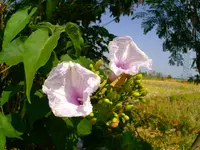
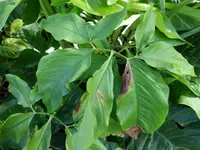
Gloria de la mañana, Ipomoea carnea, is a fast-growing shrub-like morning glory often used as an ornamental in warm and tropical regions. It produces soft, pale pink to lavender funnel-shaped flowers and large, bluish-green leaves that create a dense, bushy screen.
This species is native to the Americas but has naturalized in many subtropical and tropical areas, especially near rivers, canals, and wetlands. It grows quickly and can become invasive outdoors in frost-free climates, which affects how easy it is to manage.
The plant prefers full sun, warm temperatures, and moist but well-drained soil. Understanding these traits is important if you want to know how to care for gloria de la manana in a controlled garden or container setting.

Care Difficulty
Moderate Care

Light Preference
Full Sun

Water Requirements
Regular Water

Temperature Preference
Tropical / Frost Sensitive

Hardiness Zone
9–11

Soil Texture
Loamy, Silty, Organic-rich

Soil pH
Slightly acidic (6.5–7.0), Neutral (7.0)

Soil Drainage
Moist but well-drained

Fertilization
Minimal (feed rarely)
Scan your plant to receive care tips personalized for your specific plant
Available on iOS and Android
Ipomoea carnea grows best in bright, direct sun but tolerates some light shade in hot climates.
This plant prefers consistently moist but not waterlogged soil, especially during active growth.
This fast-growing shrub-like vine thrives in warm, frost-free conditions.
This species tolerates a wide humidity range and usually does not need special humidity management outdoors.
This plant prefers moist, well-drained, moderately fertile soil that does not stay waterlogged.
This vigorous shrub-vine can be grown in large containers if the pot is stable and allows strong root development.
Ipomoea carnea responds well to modest feeding during its active warm-season growth.
Pruning helps manage size, shape, and flowering of Ipomoea carnea, especially in small gardens or containers.
This species is usually grown in-ground, so focus on careful transplanting or occasional container upsizing for Ipomoea carnea.
Ipomoea carnea is commonly propagated from stem cuttings, with seeds used less often in home gardens.
Cold sensitivity means Ipomoea carnea needs protection in climates with frost or freezing winters.

Plant Health Check
Not sure what's wrong with your plant? Check your plant's health inside the app.
This shrub is often grown for its large pale pink, funnel-shaped flowers, but all parts contain toxic compounds called swainsonine and calystegines that can cause neurological symptoms and birth defects in grazing livestock.
The plant can absorb and store heavy metals such as lead and cadmium in its tissues, so researchers have studied it for use in phytoremediation, which is the use of plants to clean contaminated soils and wastewater.
Outside its native range in tropical America, this species has become invasive in parts of Asia and Africa, forming dense thickets along waterways that outcompete local vegetation and alter wetland habitats.

In some rural communities, the plant’s hollow stems are used as lightweight, buoyant material for simple rafts or floats, taking advantage of the air-filled spaces (aerenchyma) that help it tolerate periodically flooded habitats.
Lack of blooms usually relates to insufficient light, heavy pruning at the wrong time, or nutrient imbalance with too much nitrogen. Check that the plant is mature, receives long warm seasons, and avoid cutting new woody tips before flowering.
Keep your plants happy and healthy with plant identification, disease detection, and easy care guidance.