Controlled self-seeding
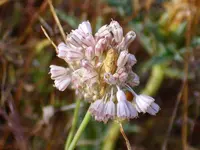
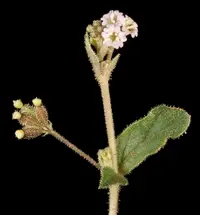
Allow a few seed heads to mature and drop where you want new plants, then cut back remaining spent stems to prevent unwanted spread and keep the clump tidy.

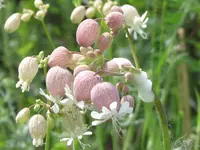
Bladder campion, Silene vulgaris, is a hardy perennial wildflower often found in meadows, roadsides, and rocky slopes across Europe and many temperate regions. It has slender stems, narrow leaves, and distinctive white or pale pink flowers with an inflated, papery calyx that looks like a small balloon. The plant forms loose clumps and can gently self-seed, creating naturalistic drifts without becoming overly aggressive in most garden settings. It prefers sunny, well-drained sites and tolerates poor, dry soils, which makes it relatively low maintenance once established. Gardeners who want to care for Bladder Campion mainly need to provide good drainage and avoid heavy, waterlogged ground.

Care Difficulty
Easy Care

Light Preference
Full Sun

Water Requirements
Low Water

Temperature Preference
Cold Hardy

Hardiness Zone
3–9

Soil Texture
Sandy, Loamy, Rocky

Soil pH
Slightly acidic (6.5–7.0), Slightly alkaline (7.0–7.5)

Soil Drainage
Well-drained

Fertilization
Minimal (feed rarely)
Scan your plant to receive care tips personalized for your specific plant
Available on iOS and Android
Silene vulgaris prefers bright conditions but adapts well to varied garden light levels.
Silene vulgaris prefers moderately dry conditions and is sensitive to prolonged soggy soil.
This species is a hardy perennial that tolerates a wide range of outdoor temperatures.
Silene vulgaris handles a wide humidity range and rarely needs special humidity management.
Silene vulgaris prefers lean, well-drained mineral soils and is adapted to relatively low fertility.
This species grows reliably in containers if given a free-draining, relatively deep setup.
Silene vulgaris needs only modest feeding, especially in average or slightly lean soils.
Pruning Silene vulgaris is mainly done to keep plants tidy and encourage more flowering.
This plant is most often grown in the ground, so transplanting matters more than container repotting for Silene vulgaris.
Silene vulgaris is commonly propagated by seed and by division of mature clumps.
This species is generally cold hardy and usually needs minimal winter care in temperate climates.

Plant Health Check
Not sure what's wrong with your plant? Check your plant's health inside the app.
The white, papery “bladder” around the flowers is an inflated calyx made of fused sepals that expands as the flower develops and persists after flowering, helping protect developing seeds from herbivores and harsh weather.
Flowers open widest and become most fragrant in the evening and at night, when they are mainly visited and pollinated by nocturnal moths that can reach nectar at the base of the long floral tube.
Roots often host symbiotic bacteria capable of fixing atmospheric nitrogen into forms the plant can use, which helps S. vulgaris survive in poor, dry soils where many other species struggle.

Genetic studies have shown that different populations of Silene vulgaris can vary widely in traits such as flower size, calyx shape, and reproductive strategy, making this species a useful model for research on plant evolution, adaptation, and the balance between self‑pollination and cross‑pollination.
This species self-seeds readily and can spread, especially in light, disturbed soils. It is usually clump-forming rather than running, but regular deadheading and removing unwanted seedlings help keep it from becoming too dominant in small beds.
Keep your plants happy and healthy with plant identification, disease detection, and easy care guidance.