Early stand thinning
Thin dense seedlings early so plants stand 5–8 cm apart, which improves air flow, reduces lodging, and makes it easier to monitor for disease and insect damage when growing wild oat.

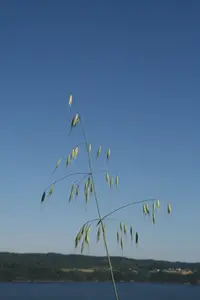
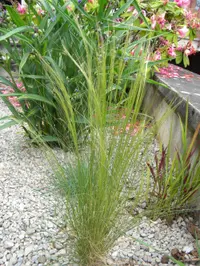
Wild oat, Avena fatua, is an annual grass commonly seen in fields, roadsides, and disturbed soils. It often appears as a tall, upright clump with nodding, oat-like seed heads.
This species is native to parts of Europe and western Asia but now grows widely across North America and other temperate regions as a volunteer or weed. It germinates easily and spreads quickly by seed, which makes it persistent but also simple to start from seed if someone wants to grow it on purpose.
Those who want to learn how to care for wild oat should know it favors full sun, well-drained soil, and moderate moisture, similar to many other cool-season grasses.

Care Difficulty
Easy Care

Light Preference
Full Sun

Water Requirements
Moderate Water

Temperature Preference
Cool Climate

Hardiness Zone
3–9

Soil Texture
Sandy, Loamy, Silty

Soil pH
Slightly acidic (6.5–7.0), Neutral (7.0)

Soil Drainage
Well-drained

Fertilization
Minimal (feed rarely)
Scan your plant to receive care tips personalized for your specific plant
Available on iOS and Android
This annual grass prefers bright, open conditions similar to cereal oats in fields and roadsides.
This species prefers moderately moist, well-drained soil and adapts to natural rainfall in many climates.
This cool-season annual grass thrives in mild conditions and tolerates a broad outdoor temperature range.
Humidity is rarely critical for Avena fatua, which copes well with typical outdoor air levels.
Avena fatua grows best in moderately fertile, well-drained mineral soil that does not stay waterlogged.
This species can be grown in containers, but it is better suited to open ground or larger outdoor spaces.
Avena fatua usually grows well on low to moderate fertility soils, so supplemental feeding is minimal.
Avena fatua benefits from simple, seasonal cutting rather than detailed pruning.
This annual grass is seldom kept long-term in containers, so focus on timely outdoor transplanting rather than repotting.
Avena fatua is most often propagated from seed, with simple requirements for successful establishment.
As a cool-season annual, Avena fatua generally needs little dedicated winter care in most temperate climates.

Plant Health Check
Not sure what's wrong with your plant? Check your plant's health inside the app.
Avena fatua is one of the most widespread and economically important weeds in small‑grain cereals such as wheat, barley, and cultivated oats, where it competes strongly for light, water, and nutrients.
Its seeds show strong dormancy and can remain viable for many years in the soil seed bank, allowing staggered germination over multiple seasons and making long‑term control difficult.
The plant naturally sheds its seeds (shattering) before harvest, and the rough hulled grains can cling to machinery, animals, and crop seed lots, helping it spread between fields and regions.

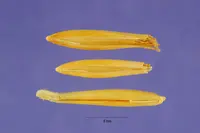
Wild oat spikelets have a distinctive twisted awn (a bristle-like extension) that changes shape as humidity shifts, causing the seed to drill and wiggle into the soil, an adaptation that improves self-burial and establishment in disturbed ground.
This grass self-seeds heavily and competes strongly with nearby plants. It can form dense stands in disturbed ground, lawns, and fields. Regular pulling before seed set and strict seed-head removal are essential for effective long-term management when growing wild oat.
Keep your plants happy and healthy with plant identification, disease detection, and easy care guidance.