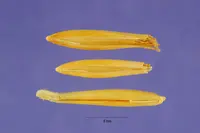
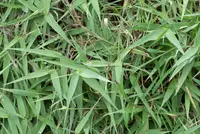
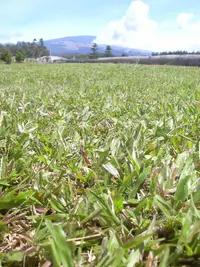
Controlled spring division
Divide mature clumps in early spring before strong new growth, replanting fist-sized sections at the same soil depth and watering once to settle them for thicker, more even stands.

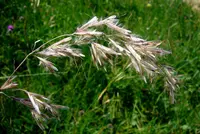
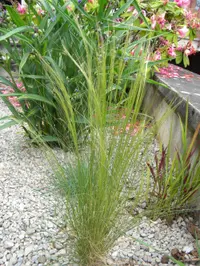
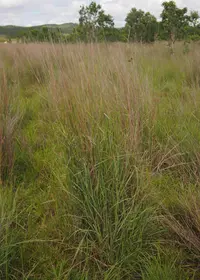
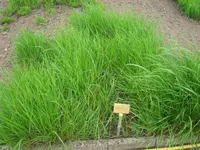
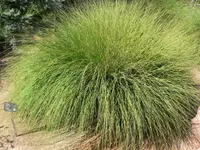
Downy oat-grass (Avenula pubescens) is a cool-season perennial grass found in meadows, pastures, and open woodlands, especially in temperate regions of Europe and parts of North America. It forms loose, graceful clumps with softly hairy leaves and airy flowering stems that give a fine, naturalistic look.
This species typically grows in well-drained, moderately fertile soils and prefers open, sunny to lightly shaded sites. It is relatively undemanding once established, which makes it straightforward to care for Downy Oat-grass in low-input gardens or naturalistic plantings.
Avenula pubescens tolerates cool conditions and moderate drought, but consistent soil moisture supports healthier growth and better flowering.

Care Difficulty
Easy Care

Light Preference
Full Sun

Water Requirements
Moderate Water

Temperature Preference
Cold Hardy

Hardiness Zone
3–8

Soil Texture
Sandy, Loamy, Clay

Soil pH
Slightly acidic (6.5–7.0), Neutral (7.0)

Soil Drainage
Well-drained

Fertilization
Minimal (feed rarely)
Scan your plant to receive care tips personalized for your specific plant
Available on iOS and Android
This cool-season grass prefers bright, open conditions with moderate sun exposure.
This grass prefers evenly moist but not saturated soil, especially during establishment and active growth.
This cool-season perennial grass is hardy in temperate climates and tolerates a broad range of outdoor temperatures.
Humidity is not a critical factor for this cool-season grass in typical outdoor conditions.
This grass prefers moderately fertile, free-draining mineral soils rather than heavy, waterlogged ground.
This species can be grown in containers outdoors if drainage is carefully managed.
This cool-season grass grows well in modest soils and usually needs only light feeding for steady growth.
Avenula pubescens benefits from simple, seasonal pruning to keep tufts clean and tidy.
This grass is usually grown in the ground, with transplanting more common than container repotting.
Avenula pubescens is most reliably propagated by division, with seed used mainly for larger naturalistic plantings.
This cool-season, hardy grass needs minimal winter care in most temperate climates.

Plant Health Check
Not sure what's wrong with your plant? Check your plant's health inside the app.
This species is a cool-season bunchgrass native to much of Europe, where it forms loose tufts rather than dense sod, making it structurally different from many lawn grasses.
Downy oat-grass often shows highest abundance on calcareous or base-rich, well-drained soils, and it is characteristic of certain European grassland and meadow communities classified in traditional phytosociology.
The fine hairs on its leaves and sheaths give the plant a downy texture, a feature that helps distinguish it from related oat-like grasses in the field.
This species forms loose clumps and spreads slowly by short rhizomes and self-seeding. It usually stays manageable in garden beds, but seedheads can be removed after flowering if a tighter, more controlled planting is desired.
Keep your plants happy and healthy with plant identification, disease detection, and easy care guidance.