


Summer division timing
Divide mature clumps right after flowering, when soil is warm and growth is active, to reduce transplant shock and help new divisions root quickly.

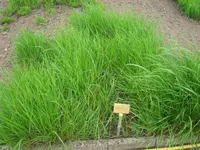
Spear grass, Achnatherum calamagrostis, is a perennial ornamental grass valued for its fine, upright foliage and airy, feathery flower plumes. It forms neat clumps that move easily in the wind and add texture to mixed borders or naturalistic plantings.
This grass is native to parts of Europe and Asia, where it grows in open, often rocky or grassy habitats. It tends to be hardy, relatively drought-tolerant once established, and generally low-maintenance, which makes it straightforward to care for spear grass in many home gardens.
It usually prefers full sun, well-drained soil, and moderate moisture, coping better with brief dry periods than with waterlogged conditions.

Care Difficulty
Easy Care

Light Preference
Full Sun

Water Requirements
Low Water

Temperature Preference
Cold Hardy

Hardiness Zone
4–9

Soil Texture
Sandy, Loamy, Rocky

Soil pH
Slightly acidic (6.5–7.0), Neutral (7.0)

Soil Drainage
Well-drained

Fertilization
Minimal (feed rarely)
Scan your plant to receive care tips personalized for your specific plant
Available on iOS and Android
This hardy ornamental grass prefers open, bright conditions to stay dense and upright.
This grass prefers moderately dry conditions once established, with brief dry periods between waterings.
This cool-season grass handles a wide temperature range but grows best in moderate conditions.
This grass is adapted to dry, open sites, so humidity is rarely a limiting factor.
This grass prefers lean, fast-draining mineral soils and declines in heavy, wet substrates.
This species can be grown in containers if the pot and substrate are managed to stay free-draining and relatively lean.
This ornamental grass thrives in lean soil and usually needs only light feeding.
Achnatherum calamagrostis benefits from simple annual pruning to keep the clump tidy and vigorous.
This grass is most often grown in the ground, with transplanting done only when clumps outgrow their space or soil declines.
Division is the most reliable method for increasing Achnatherum calamagrostis plants.
This grass is generally cold hardy in temperate climates and needs minimal winter attention in the ground.

Plant Health Check
Not sure what's wrong with your plant? Check your plant's health inside the app.
This species occurs naturally from the Alps and Carpathians through central and eastern Europe, where it typically grows on dry, sunny slopes, forest edges, and open rocky ground rather than in wetlands or rich meadows.
The plant thrives on calcareous and stony substrates with low nutrient availability, using a relatively deep, fine root system that allows it to persist where many more nutrient-demanding grasses cannot compete.
It produces loose, airy panicles in early to mid-summer, with spikelets held on fine, slightly nodding branches that often develop a pale, straw-colored tone as they mature, giving the clump a soft, translucent appearance.
In parts of central Europe this grass is considered an important component of species-rich dry grassland communities, where its presence can indicate long-term continuity of semi-natural grassland habitat shaped by traditional low-intensity grazing or mowing.
Lack of flowers usually follows insufficient light, overly rich or frequently fertilized soil, or heavy, untimed pruning. For reliable flowering, allow full sun, avoid high-nitrogen fertilizer, and cut back old foliage only in late winter or very early spring.
Keep your plants happy and healthy with plant identification, disease detection, and easy care guidance.


Achnatherum paradoxum
Achnatherum paradoxum
centipede grass
Eremochloa ophiuroides

Achnatherum virescens
Achnatherum virescens

Achnatherum bromoides
Achnatherum bromoides
Achnatherum sibiricum
Achnatherum sibiricum
black-fruit mountain-ricegrass
Patis racemosa
Slender Club-rush
Isolepis cernua
New Zealand Wind Grass
Anemanthele lessoniana