Thatch layer control
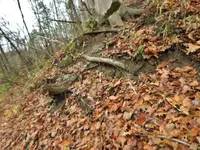
Monitor thatch thickness at least once a year and schedule light vertical mowing or power raking when the layer exceeds about 1.3 cm to keep centipede grass roots in contact with soil and reduce disease risk.

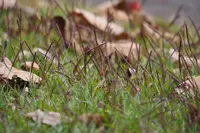
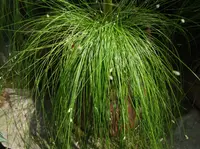
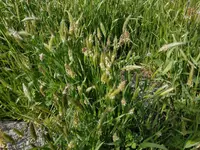
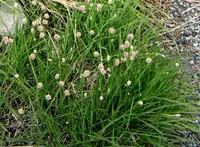
Centipede grass, Eremochloa ophiuroides, is a warm-season turf grass often used for low-maintenance lawns in mild, humid climates. It forms a dense, low-growing mat with fine to medium blades and a naturally light to medium green color.
This species is native to East Asia and has adapted well to sandy, acidic soils in the southeastern United States. It grows slowly compared with many other lawn grasses, which reduces mowing needs but also means it recovers from damage more slowly.
Centipede grass tolerates relatively poor, low-fertility soils and prefers full sun with moderate moisture, which makes it popular among homeowners looking to care for centipede grass with less frequent feeding and irrigation.

Care Difficulty
Moderate Care

Light Preference
Full Sun

Water Requirements
Moderate Water

Temperature Preference
Warm Climate

Hardiness Zone
7–10

Soil Texture
Sandy, Loamy

Soil pH
Strongly acidic (4.5–5.5), Acidic (5.5–6.5)

Soil Drainage
Well-drained

Fertilization
Minimal (feed rarely)
Scan your plant to receive care tips personalized for your specific plant
Available on iOS and Android
This warm-season turf grass prefers consistent sun exposure but tolerates some light shade.
This grass prefers moderately moist, well-drained soil and reacts clearly to both drought and excess water.
This warm-season species thrives in heat but has limited cold tolerance.
This warm-season turf species handles a broad humidity range and usually does not need special humidity management outdoors.
Eremochloa ophiuroides prefers light, well-drained mineral soils that do not stay waterlogged after rain or irrigation.
This grass can be grown in containers for turf trials or small groundcover displays, but it needs careful moisture and root-space management.
Eremochloa ophiuroides benefits from modest feeding that supports steady growth without excessive thatch or lush top growth.
Pruning for Eremochloa ophiuroides is mainly about correct mowing practices rather than structural shaping.
Transplanting Eremochloa ophiuroides focuses on establishing sod or plugs rather than frequent container repotting.
Propagation of Eremochloa ophiuroides is commonly done through vegetative methods that take advantage of its creeping growth habit.
Eremochloa ophiuroides is warm-season and turns brown in cool weather, but established lawns usually need minimal winter care.

Plant Health Check
Not sure what's wrong with your plant? Check your plant's health inside the app.
This warm-season grass is adapted to nutrient-poor, acidic soils and often outcompetes other turf species on sandy, low-fertility sites where many lawn grasses struggle.
It spreads mainly by stolons, which are above-ground creeping stems that root at the nodes, forming a dense, mat-like turf that helps suppress many weeds.
The species tolerates high summer temperatures and sun exposure but naturally responds to extended drought by going dormant and browning, then resuming growth when moisture returns.

This species is native to parts of China and Southeast Asia but became a key lawn and utility turf in the southeastern United States after being introduced in the early 20th century, largely because its slow, compact growth suited low-input, low-maintenance landscapes better than many traditional pasture grasses.
Yellowing often results from low nitrogen, compacted soil, poor drainage, or damage from pests such as nematodes. Check for thatch buildup, waterlogging, or very high soil pH, and adjust fertilization and aeration based on a soil test.
Keep your plants happy and healthy with plant identification, disease detection, and easy care guidance.