


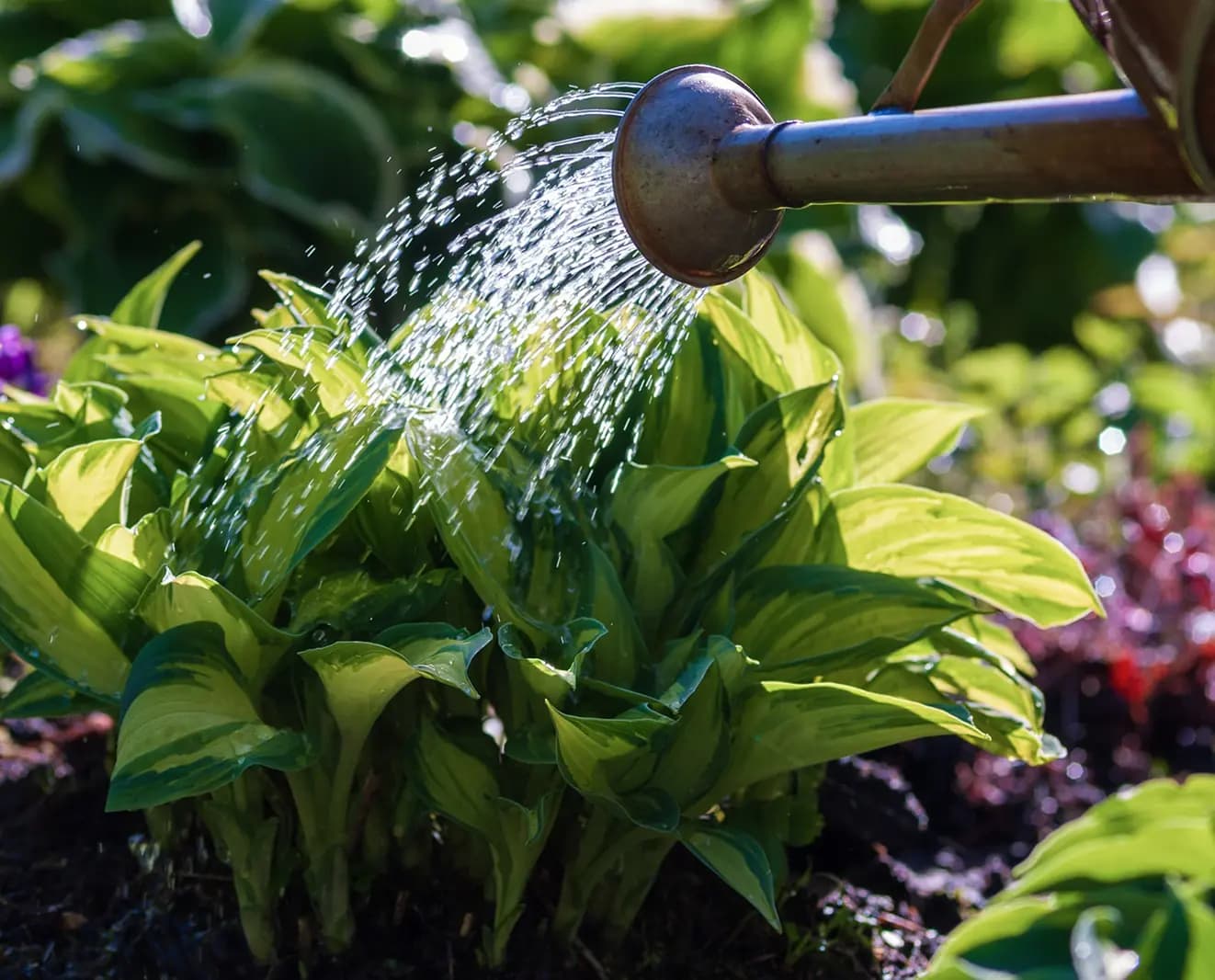

centipede grass (Eremochloa ophiuroides) Watering Guide

This page explains when, how often, and how much to water Eremochloa ophiuroides for consistent, reliable care.

Water Requirements

Moderate Water

Eremochloa ophiuroides Watering

This warm-season lawn grass favors moderate, steady moisture without prolonged saturation. In its Southeast Asian origin, Eremochloa ophiuroides experiences periodic rainfall and brief dry spells, so soil conditions alternate between slightly moist and gently drying.

For watering centipede grass, aim for an even balance that prevents chronic dryness yet avoids persistently soggy ground. Outdoor lawns are the main focus; container or patch repair care follows the same principles but responds faster to changes.

Water when the top 1–2 inches (3–5 cm) of soil feel dry and the blades just begin to lose some spring, typically every 5–10 days in warm weather. In cooler or rainy periods, the interval usually stretches, while extreme summer heat or sandy soil can shorten the time between waterings.

Water centipede grass when the top soil looks dull and dry, using slow, deep irrigation that targets the root zone.

  • Apply water early in the morning, using a sprinkler or hose with a gentle spray to avoid soil displacement.
  • Irrigate long enough that moisture penetrates 4–6 inches (10–15 cm) into the soil, encouraging deeper root growth.
  • Focus water over the lawn surface evenly, overlapping passes so there are no dry bands or oversaturated strips.
  • Allow excess water to drain away from low spots, smoothing and leveling shallow depressions so water does not collect.

Incorrect moisture levels often stress Eremochloa ophiuroides and lead to several avoidable lawn problems.

Pale Yellowing Blades:

Gradual color fading with weak growth often indicates chronic overwatering and resulting low soil oxygen levels.

Brown Patchy Areas:

Irregular dead spots with thinning turf commonly arise from prolonged drought and compacted, hydrophobic soil conditions.

Matted, Slimy Thatch:

Spongy surface with decaying stems usually develops when irrigation is excessive and drainage remains consistently poor.

Shallow Root System:

Grass lifting easily from soil frequently follows frequent, shallow watering that discourages deeper root development.

Aim for deep, infrequent watering that keeps soil moderately moist while preventing prolonged saturation or severe drying.

Unsuitable watering habits disrupt the shallow root system of centipede grass (Eremochloa ophiuroides), weakening turf density and long‑term stress resistance.

  • Following a rigid schedule: Applying water on a fixed calendar instead of checking soil moisture leads to shallow roots; monitor topsoil dryness before irrigating.
  • Poorly draining soil: Keeping turf on compacted or heavy clay soil traps moisture; improve drainage with aeration and thin topdressing instead of frequent light watering.
  • Allowing water to pond: Letting irrigation create puddles suffocates roots; adjust sprinkler run times so water soaks in without standing on the surface.

Base irrigation on soil moisture and infiltration rate, delivering deeper, less frequent soakings that match centipede grass’s naturally low water demand.

  • Spring: As centipedegrass awakens and fills in, water deeply only when new growth looks slightly dull or footprints remain visible.
  • Summer: In peak heat, increase watering frequency when blades fold or gray, but avoid daily light sprinkling that encourages shallow roots and disease.
  • Fall: Gradually reduce watering as growth slows, irrigating only during extended dry spells to maintain moderate color without forcing lush growth.
  • Winter: During dormancy, water sparingly, focusing on unusually warm, dry periods to prevent root desiccation, especially on sandy or sloped sites.

Find the Right Watering Routine for Your centipede grass

Use Botan for a clear watering guide and practical care steps for Eremochloa ophiuroides, plus gentle photo-based issue checks to spot early signs of stress or pests.

Botan plant care app — identify plants on mobile

FAQ

Watch for a dull, bluish-green color, folded or wilted blades, and footprints that remain visible. These signs mean the soil is dry in the root zone and it is time to water.

Everything About centipede grass

More Plant Watering Guides

Is Your Watering Routine Hurting Your centipede grass?

Use Botan to review your watering habits and adjust timing with confidence.

Watering a plant with a copper watering can
How to Tell if a Plant Is Dead

6 min read · 19 Aug 2026

How to Tell if a Plant Is Dead

A plant can lose its leaves, stop growing, or collapse and still remain alive. A closer look at the stems, roots, bulbs, and tubers can show whether the plant still has a chance to recover.

Beginner Guides
How to Tell if a Plant Is Dead
How to Bottom Water Plants: Complete Guide

6 min read · 13 Jul 2026

How to Bottom Water Plants: Complete Guide

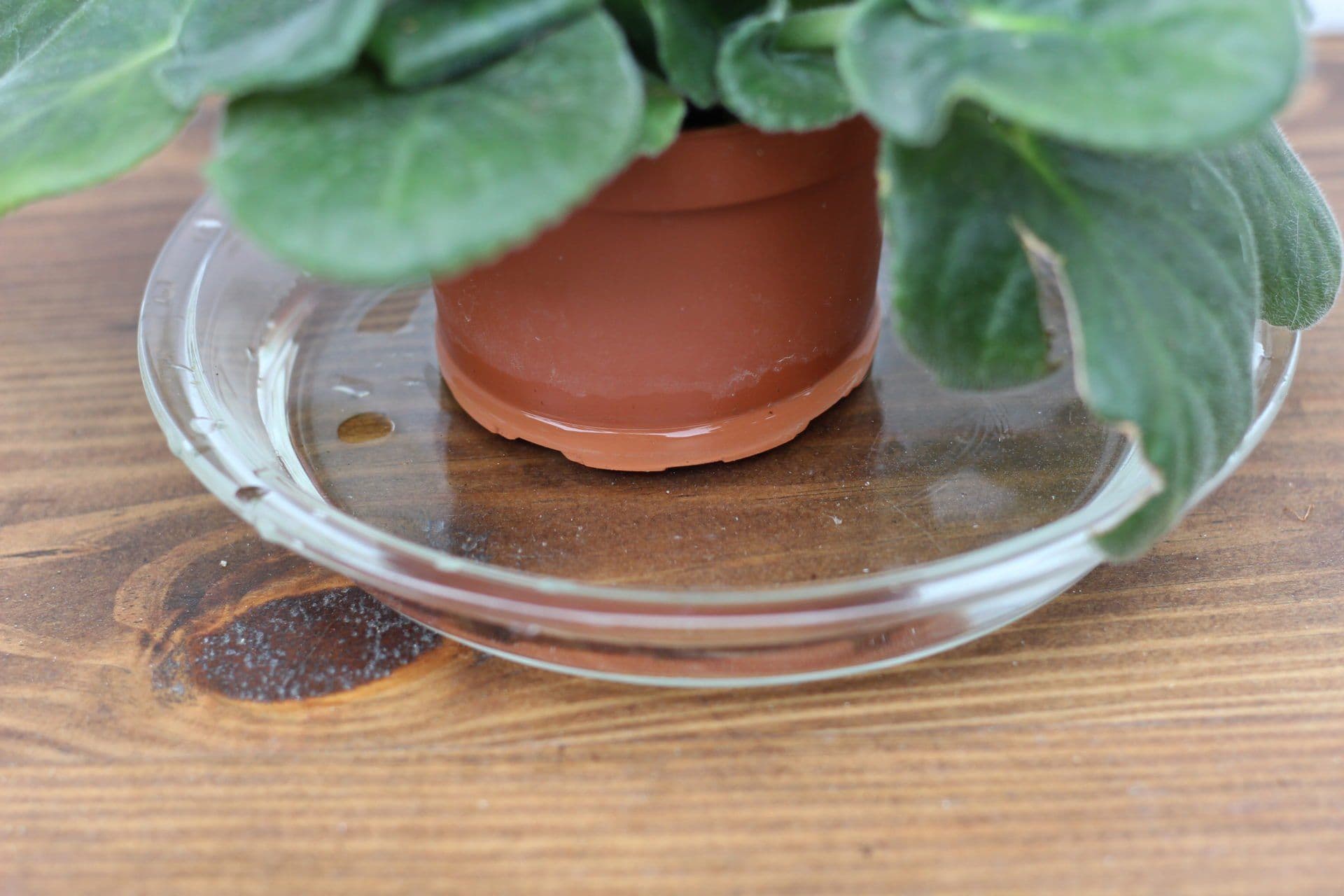
Bottom watering helps soil absorb moisture evenly and keeps foliage dry, reducing the risk of missed dry spots or root problems. Place the pot in a tray of water for a short time, then let it drain well.

Plant Care
How to Bottom Water Plants: Complete Guide
10 Easy Garden Flowers to Grow

8 min read · 10 Sept 2026

10 Easy Garden Flowers to Grow

Discover 10 garden flowers that require minimal care. Learn which characteristics make plants easy to grow and follow tips on how to create a beautiful corner from beginner-friendly blooms on your property.

Beginner Guides
10 Easy Garden Flowers to Grow