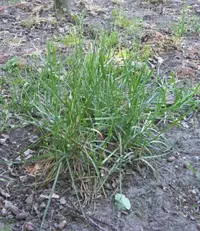
Thrives in moist turf
Kikuyu grass (Cenchrus clandestinus) forms dense, fast-growing turf in regions with moderate to high rainfall or regular irrigation, which is why it is often used on sports fields and lawns in coastal and sub‑tropical climates.


This page explains when, how often, and how much to water Cenchrus clandestinus for straightforward routine planning.

Water Requirements
Moderate Water

This dense lawn grass thrives in regions with marked dry seasons and periodic rainfall, so it tolerates short dry spells. Cenchrus clandestinus prefers slightly moist soil rather than constantly wet ground, especially during active growth.
As a foundation, watering Kikuyu Grass means maintaining modest, regular moisture that supports vigor without saturation. In containers, it dries faster and generally needs closer attention than in open ground, shaping how to water Kikuyu Grass overall.
Water again when the top 1–2 inches (3–5 cm) of soil feel dry and the lawn no longer looks springy underfoot. Kikuyu Grass typically needs irrigation every 5–10 days in warm seasons, less often in cool weather. Hot, windy conditions can shorten this interval, while dense clay soil often extends it.
Water Kikuyu Grass when the top 1-2 inches (3-5 cm) of soil feel dry and turf color looks duller.
Incorrect moisture levels can trigger various health problems for Cenchrus clandestinus over time.
Broad yellow areas indicate chronic underwatering or compacted, dry soil restricting uniform moisture uptake.
Spongy footing and saturated thatch suggest chronic overwatering and poor drainage suffocating grass roots.
Thick, dry thatch layer often follows frequent shallow watering that encourages surface roots and debris.
Thin, stressed turf from inconsistent irrigation allows opportunistic weeds to colonize open soil spaces.
Maintain consistent, moderate soil moisture with deeper, less frequent watering to support dense, resilient turf growth.
Unsuitable watering habits can weaken Kikuyu Grass (Cenchrus clandestinus), making the lawn less resilient to heat, wear, pests, and weeds.
Aim for occasional, deeper watering in reasonably drained soil, adjusting timing to weather and lawn response rather than the calendar.
Watering Advice
Learn when to water your plant and avoid common watering mistakes.
Use Botan for a clear watering guide and practical care steps for Cenchrus clandestinus, plus gentle photo-based issue checks to spot stress early and adjust your routine with confidence.

Kikuyu grass (Cenchrus clandestinus) forms dense, fast-growing turf in regions with moderate to high rainfall or regular irrigation, which is why it is often used on sports fields and lawns in coastal and sub‑tropical climates.
Its vigorous, creeping stolons and rhizomes allow roots to access moisture from deeper soil layers, so once established it can tolerate summer dry spells better than many cool-season turf grasses, though extended drought still reduces growth and color.
In some warm regions, frequent lawn or pasture irrigation helps this species spread beyond planted areas, since its runners and seeds exploit consistently moist soil along irrigation channels and damp disturbed ground.
Slight underwatering is usually less harmful than chronic overwatering. Consistently soggy soil can cause root rot, fungus, and weak growth. Aim for evenly moist soil that drains well rather than pushing for constant saturation.
Use Botan to review your watering pattern and keep moisture levels on track.
5 min read · 11 Sept 2026
Indoor plants can make a room feel fresher thanks to their air-purifying qualities. Here are 5 of the most suitable choices for your routine and living space.

7 min read · 22 Jul 2026
Curious which fruits the world actually eats the most? Here's the top-20 by production volume, an overview of what people choose in each region, and a few figures that defy common assumptions.
7 min read · 13 Aug 2026
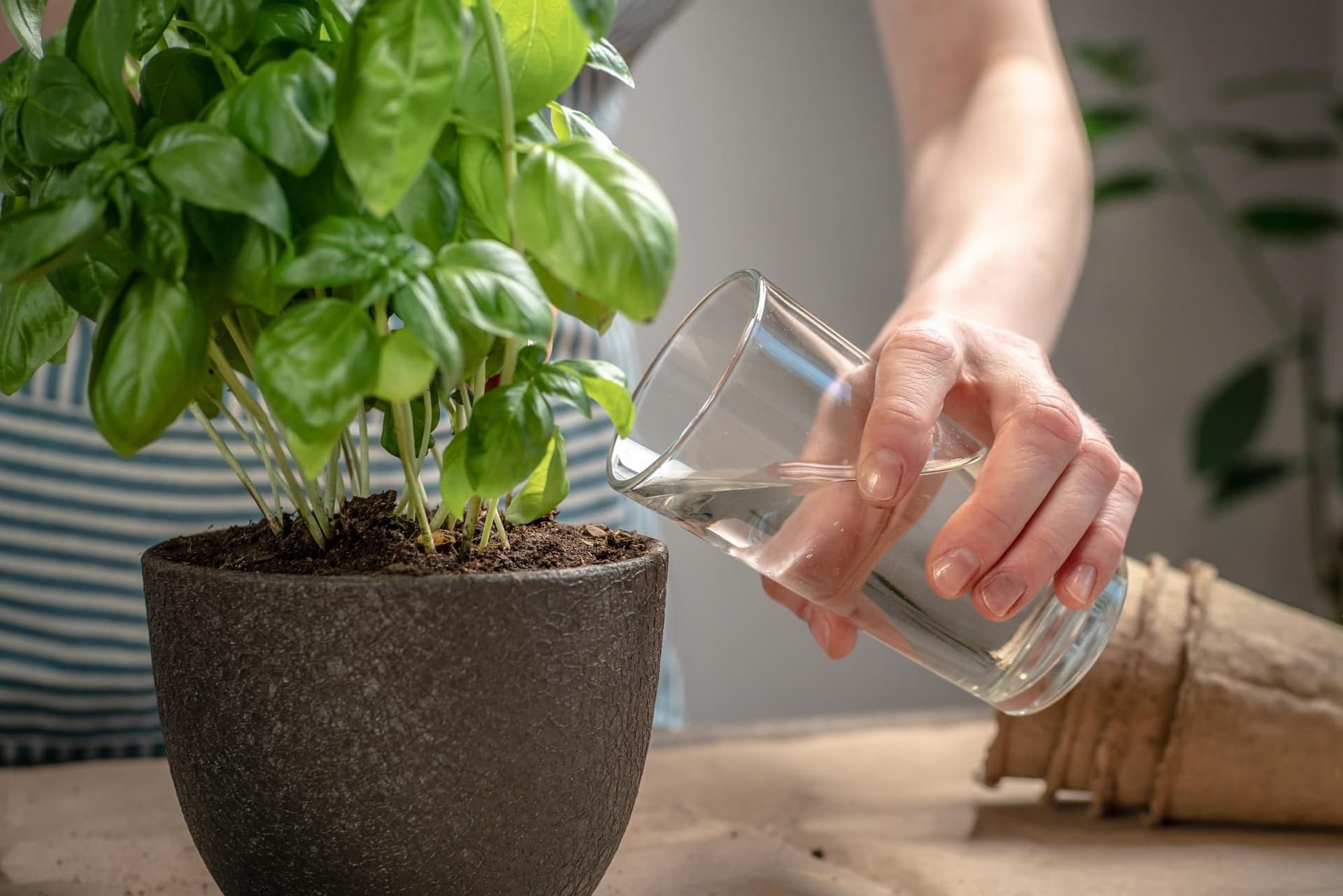
Rainwater, filtered, distilled, and tap water affect plants differently. Learn which types support healthy growth and which cause slow damage. Match each to your plants and discover how to easily improve tap water quality.