Shallow, fibrous roots
Poa pratensis forms a dense, fibrous root system close to the soil surface, which lets it use light, frequent rainfall efficiently but makes it less tolerant of deep, prolonged drought without irrigation.

This page explains when, how often, and how much to water Poa pratensis for practical, consistent lawn care.

Water Requirements
Regular Water
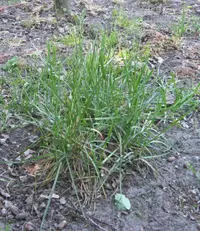
Healthy turf starts with understanding that this cool-season grass prefers evenly moist, not saturated, soil conditions. In its temperate, moderately rainy habitats, Poa pratensis adapts to steady moisture rather than long dry spells, guiding basic watering Smooth Meadow-grass decisions.
Think of watering Smooth Meadow-grass as topping up gentle, regular moisture, adjusting slightly for sun, shade, and soil type.
Water when the top 1–2 inches (3–5 cm) of soil feel dry, as this grass prefers consistent but not soggy moisture. Smooth Meadow-grass in cooler seasons or partial shade usually needs less frequent watering, while hot, dry weather or full sun can shorten the interval between waterings.
Water Smooth Meadow-grass when the top inch of soil feels dry and grass blades lose a slight springiness, using deep, even soaking.
Incorrect moisture levels can quickly stress Poa pratensis and reduce turf density.
Irregular brown patches with weak recovery usually indicate drought-stressed plants and shallow, infrequent watering habits.
Leaf blades curl, turn bluish-gray, and fail to spring back underfoot when soil moisture is insufficient.
Whitish to tan leaf tips often follow midday irrigation that increases heat stress and rapid evaporation.
Spongy, slick areas signal oversaturated soil, promoting root suffocation and encouraging disease development in dense stands.
Roots stay near the surface when irrigation is too frequent and light, limiting drought tolerance.
Maintain evenly moist, well-drained soil with deep, infrequent watering adjusted to weather and soil conditions.
Unsuitable watering habits can weaken Poa pratensis, making smooth meadow-grass less resilient, patchy, and prone to stress in changing weather.
Better watering for smooth meadow-grass means responding to soil moisture, drainage, and recent rainfall rather than repeating automatic routines.
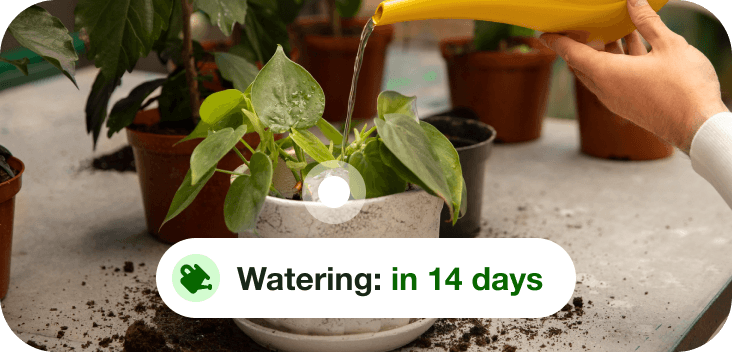
Watering Advice
Learn when to water your plant and avoid common watering mistakes.
Use Botan for a clear watering guide and care procedures for Poa pratensis, plus gentle photo-based issue checks that help notice stress or disease before it worsens.

Poa pratensis forms a dense, fibrous root system close to the soil surface, which lets it use light, frequent rainfall efficiently but makes it less tolerant of deep, prolonged drought without irrigation.
In hot, dry summers, Poa pratensis often enters partial dormancy, turning brown above ground while crowns and rhizomes stay alive, then resumes growth quickly when cooler temperatures and regular moisture return.
Its underground rhizomes spread most actively in cool weather with consistent soil moisture, creating a thick turf over time; when soil stays too dry, rhizome growth slows and bare or thin patches can develop.
Yellowing after irrigation usually means the soil is staying too wet, which limits root oxygen and can start rot. Check drainage, reduce frequency, and water only when the upper soil feels slightly dry, not soggy.
Use Botan to review whether your watering schedule suits the plant’s needs.
8 min read · 24 Jul 2026
Spiders constantly appear in places you don't want them. A few common plants can help repel them using scent alone. Here are 12 options suitable for both indoors and outdoors, plus care tips for each.
5 min read · 10 Aug 2026
Explore when to mow your lawn for its health and a pleasant green color. Find out the best time for this task during the summer heat, and follow practical tips for correctly cutting the grass, and learn common mistakes to avoid.
6 min read · 8 Sept 2026
Frozen and fresh vegetables are nutritionally comparable: frozen produce often retains vitamins just as well as fresh and may sometimes contain more. Here’s how blanching and storage affect nutrients—and when to choose each.