

lemon grass (Cymbopogon citratus) Watering Guide

This page explains when, how often, and how much to water Cymbopogon citratus for steady, healthy growth.

Water Requirements

Regular Water

Cymbopogon citratus Watering

Healthy lemon grass starts with understanding its preference for slightly moist, never soggy soil in warm conditions. Cymbopogon citratus comes from seasonally rainy, generally well-drained habitats, so it tolerates brief surface drying between waterings.

For watering lemon grass, aim for a steady, moderate moisture level rather than extremes of drought or saturation. Indoors it typically needs more attentive monitoring than in-ground outdoor clumps, which access deeper, more stable soil moisture.

Water when the top 1–2 inches (3–5 cm) of soil feel dry, rather than by date. Cymbopogon citratus typically needs watering every few days in hot, bright outdoor conditions, but about weekly indoors. Faster growth and strong sun shorten this interval, while cooler rooms extend it.

Water lemon grass when the top 1–2 inches (3–5 cm) of soil feel dry, using steady, thorough, root-focused watering.

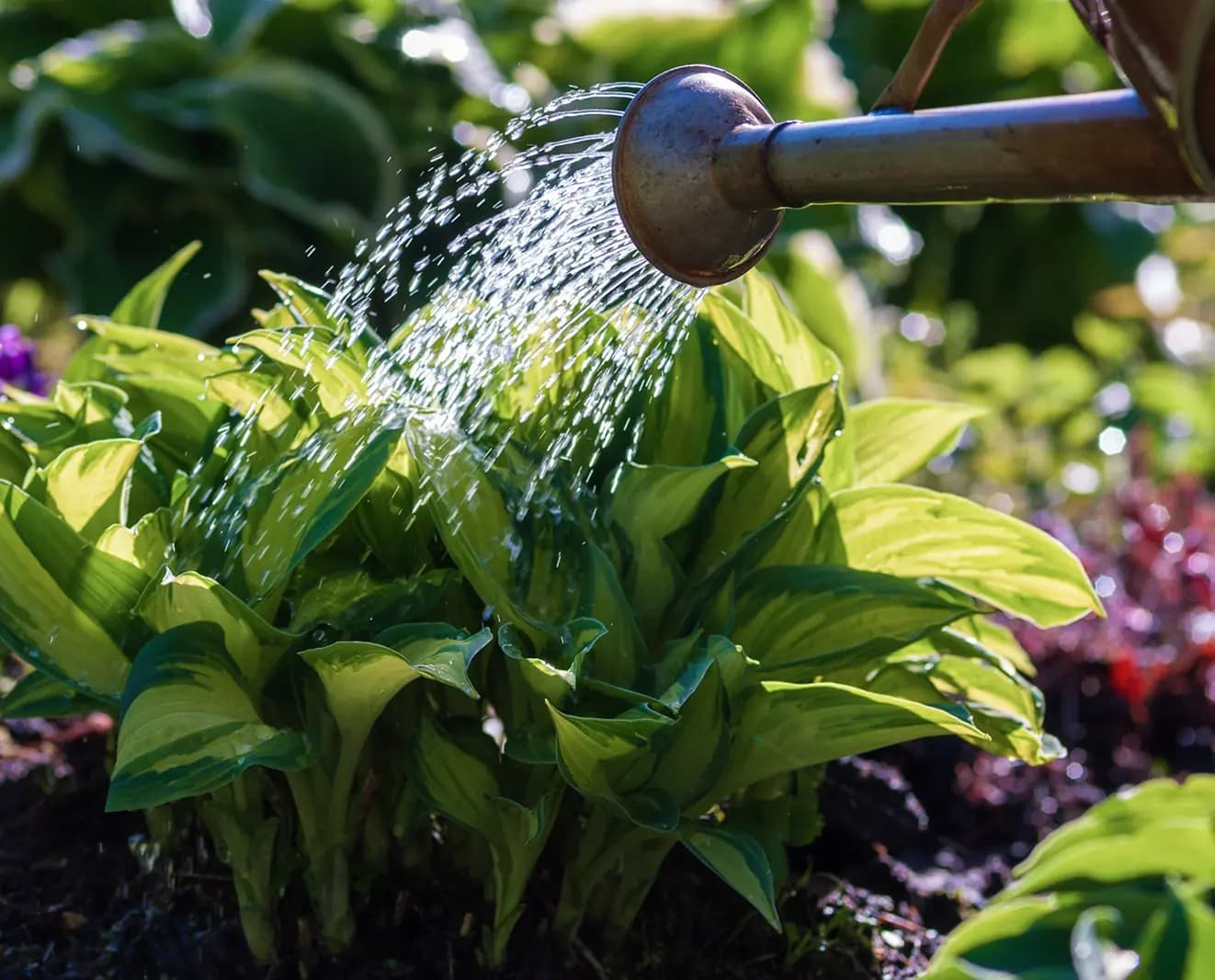
  • Pour water slowly over the soil surface around the clump, keeping the leaf bases and stems as dry as possible.
  • Moisten the soil evenly across the pot or bed so the entire root zone is damp but not waterlogged.
  • Keep watering until a small amount drains from the bottom, confirming deeper roots have received moisture throughout the container.
  • Discard any water collected in saucers or cachepots after a few minutes so roots remain in airier, well-drained conditions.

Incorrect moisture levels can quickly stress Cymbopogon citratus and trigger several avoidable problems.

Yellowing Lower Leaves:

Older leaves fade from bright green to pale yellow when soil stays mildly but consistently too wet.

Browning Leaf Tips:

Crisp, brown leaf ends usually follow frequent underwatering combined with intense heat or low humidity.

Floppy, Weak Clumps:

Thin, bending stalks often signal shallow, irregular watering that never fully soaks the root zone.

Rotting Root Base:

Soft, foul-smelling crowns develop when containers lack drainage and soil remains heavy and waterlogged.

Keep soil lightly moist, allowing partial surface drying while avoiding both chronic drought and prolonged saturation.

Poor watering habits weaken lemon grass (Cymbopogon citratus), limiting foliage growth and making clumps less resilient to stress.

  • Watering by calendar: Following a fixed schedule, not soil moisture, keeps roots alternately soggy or dry; instead, check the top inch before watering.
  • Heavy, compacted soil: Using dense garden soil traps water around roots; switch to a loose mix with sand or fine bark for faster drainage.
  • No drainage holes: Planting in containers without holes leaves water around roots; choose pots with open holes and discard any standing runoff.

Aim for consistently moist, fast-draining soil in a ventilated container, adjusting watering to heat, light, and pot size changes.

  • Spring: As growth restarts in warming temperatures, water when the top inch of soil dries, avoiding prolonged sogginess that rots shallow roots.
  • Summer: In strong heat and full sun, water more often, keeping soil evenly moist but not waterlogged, especially for container-grown plants.
  • Fall: As growth slows and nights cool, gradually extend the time between waterings, letting the surface dry slightly deeper before watering again.
  • Winter: In frost-free, mild climates, reduce watering but do not let soil fully dry; in cool indoor settings, water sparingly to prevent rot.

Your lemon grass Care Companion

Use Botan for a simple watering guide and practical care steps for Cymbopogon citratus. The app can also suggest likely issues from clear plant photos to support earlier intervention.

Botan plant care app — identify plants on mobile

Interesting Watering Facts

Monsoon-Growth Response

In its native Southeast Asian habitats, Cymbopogon citratus shows its strongest vegetative growth during the rainy season, when soils stay consistently moist but not flooded, shaping its preference in cultivation for regular watering combined with good drainage.


Shallow, Fibrous Rooting

Cymbopogon citratus forms a dense, shallow, fibrous root system that exploits surface moisture after rains, which is why container or garden plants respond best to thorough watering followed by partial drying of the upper soil rather than deep, infrequent soaking.

FAQ

Wilting with wet soil usually means roots lack oxygen from overwatering or poor drainage. Roots start to rot and stop absorbing water. Improve drainage, let the top layer dry, and remove any foul‑smelling, blackened roots.

More Plant Watering Guides

Is Your Watering Routine Hurting Your lemon grass?

Botan reviews your watering habits so adjustments are easier and more confident.

Watering a plant with a copper watering can
Best Fertilizer for Vegetable Gardens – What to Use for Each Plant

11 min read · 20 Jul 2026

Best Fertilizer for Vegetable Gardens – What to Use for Each Plant

Here, you’ll find the right fertilizer formula for vegetables in your garden. Learn how to adjust feeding correctly throughout the growing cycle, spot nutrient deficiencies by their symptoms, and keep your plants healthy and prolific.

Plant Recommendations
Best Fertilizer for Vegetable Gardens – What to Use for Each Plant
10 Easy Garden Flowers to Grow

8 min read · 10 Sept 2026

10 Easy Garden Flowers to Grow

Discover 10 garden flowers that require minimal care. Learn which characteristics make plants easy to grow and follow tips on how to create a beautiful corner from beginner-friendly blooms on your property.

Beginner Guides
10 Easy Garden Flowers to Grow
Top 15 Fast-Growing Trees For Your Garden

13 min read · 28 Jul 2026

Top 15 Fast-Growing Trees For Your Garden

Learn which of the 15 fastest-growing trees will suit your area. We’ll share detailed information on each: growth rate, mature spread, key tree demands, and main vulnerabilities. Read on and make the best choice possible.

Plant Recommendations
Top 15 Fast-Growing Trees For Your Garden