
catnip (Nepeta cataria) Watering Guide

This page explains when, how often, and how much to water Nepeta cataria for straightforward, consistent care.

Water Requirements

Low Water

Nepeta cataria Watering

Native to dry, open regions, catnip experiences light, irregular moisture rather than constant wetness. Nepeta cataria therefore prefers soil that dries slightly between waterings, not a persistently damp environment.

This overview of watering catnip sets the stage for more detailed guidance on how to water catnip indoors and outdoors. Indoors it usually needs gentler, more regular attention, while garden plants rely more on natural rainfall with occasional supplementing.

Water when the top 1–2 inches (3–5 cm) of soil feel dry, rather than by a fixed schedule. Indoors, catnip typically needs watering every 5–10 days, depending on light and temperature. Outdoor plants in hot, sunny conditions may need water more often during peak summer heat.

Water catnip when the top 1-2 inches (3-5 cm) of soil feel dry, using a slow, even soak.

  • Pour room-temperature water onto the soil around the base, avoiding direct contact with leaves and stems where possible.
  • Water slowly in a circular pattern so moisture penetrates the full root zone instead of running straight through.
  • Stop adding water once it begins draining from the bottom, then empty saucers or cachepots after a few minutes.
  • For containers, bottom-water occasionally by setting the pot in a shallow tray until the upper soil feels evenly moist.

Incorrect moisture around Nepeta cataria roots can disrupt growth and invite avoidable stress.

Yellowing Lower Leaves:

Older leaves turn dull yellow from persistently wet soil that limits root oxygen and nutrient uptake.

Wilting In Dry Weather:

Stems and leaves droop during heat when shallow roots lack consistent, moderate soil moisture.

Root Rot In Soggy Soil:

Roots darken and soften after prolonged waterlogging, requiring drier conditions and improved drainage.

Stunted, Woody Growth:

Crowded, overwatered plants become leggy and woody, benefiting from deeper but less frequent soakings.

Brown Leaf Edges:

Leaf margins crisp and brown when underwatered or exposed to hot, drying winds without supplemental moisture.

Let soil dry slightly between thorough waterings, favoring deep, infrequent moisture over constant dampness.

Inconsistent or unsuitable watering habits can stress Nepeta cataria, weakening growth and reducing fragrant foliage that supports healthy, responsive plants.

  • Following a fixed schedule: Watering by calendar instead of checking soil moisture often keeps roots too wet; wait until the top layer feels dry before watering again.
  • Using dense, soggy soil: Heavy mixes without perlite or grit stay wet for too long; use a loose, fast-draining blend formulated for herbs or Mediterranean plants.
  • Leaving water in saucers: Letting pots sit in runoff suffocates roots; empty the saucer a few minutes after watering so excess moisture can dissipate.

Thoughtful watering for catnip means combining fast-draining soil, free drainage from the container, and timing based on actual soil dryness.

  • Spring: Increase watering slightly as new growth appears, allowing the topsoil to dry between soakings to prevent weak, leggy stems.
  • Summer: In hot, dry conditions, water more deeply and monitor containers closely, as they dry faster than in-ground catnip plants.
  • Fall: Gradually reduce watering as growth slows, keeping soil just lightly moist to support root health before winter dormancy.
  • Winter: For outdoor dormant plants, rely mostly on natural precipitation; indoor pots need infrequent, light watering to stop the root ball from fully drying.

Your catnip Care Companion

Use Botan to get a clear watering guide and simple care steps for Nepeta cataria. The app can also review plant photos to flag early signs of stress or disease.

Botan plant care app — identify plants on mobile

Interesting Watering Facts

Prefers Drying Cycles

Nepeta cataria naturally grows in dry, open habitats and performs best when soil dries between waterings, rather than staying consistently moist. This reflects its adaptation to well-drained, often gravelly or sandy soils in its native Eurasian range.


Root Rot Sensitivity

In cultivation, Nepeta cataria is notably prone to root problems in poorly drained or waterlogged soil. Its fibrous, shallow root system is adapted to quick-draining ground, so prolonged saturation can quickly lead to decline.

FAQ

In heat, check soil more often. Water when the top 1–2 inches feel dry, especially in containers. Deep, less frequent watering is better than daily splashes to encourage deeper, drought-tolerant roots.

More Plant Watering Guides

Is Your Watering Routine Hurting Your catnip?

Use Botan to review your watering pattern and adjust it with confidence.

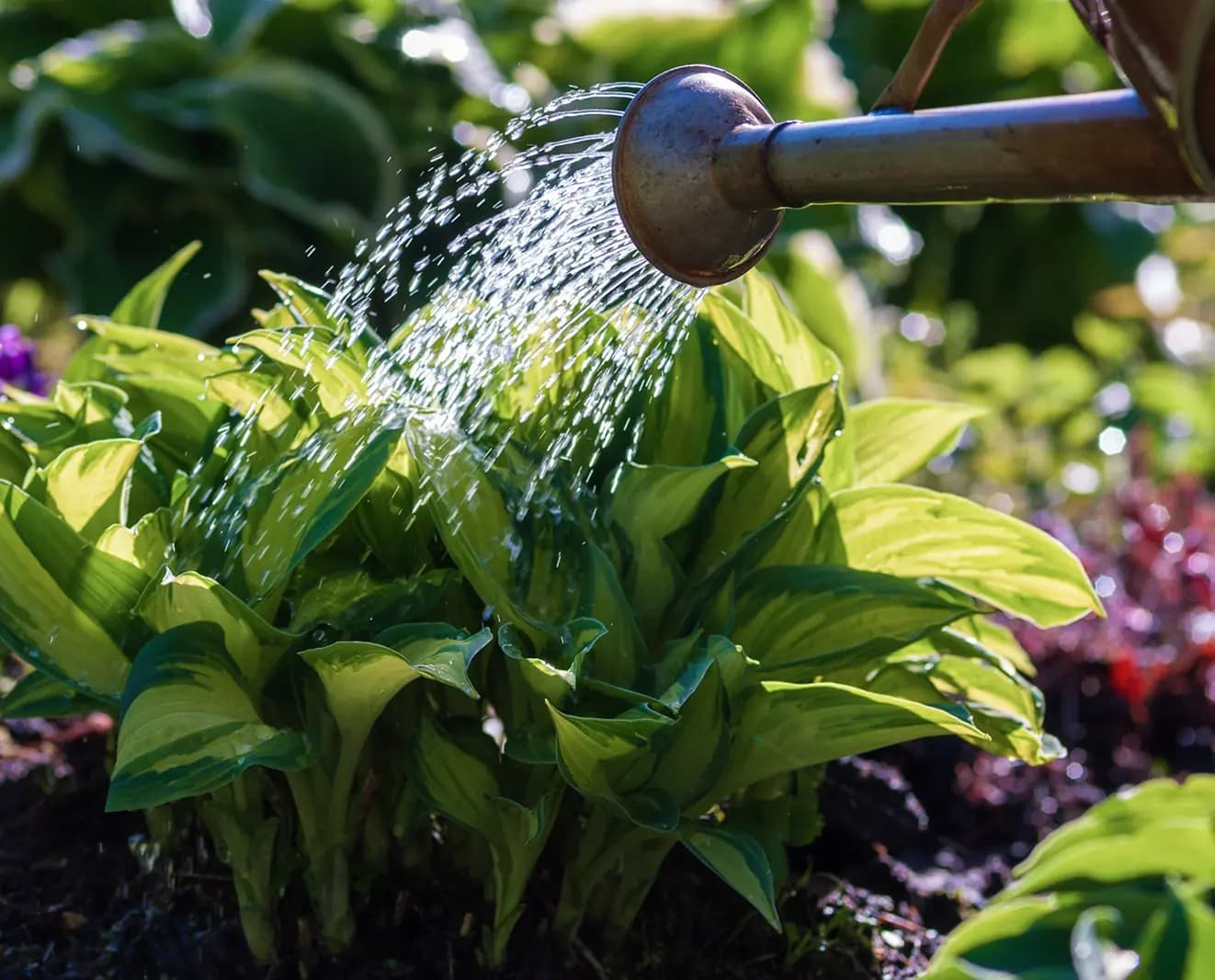
Watering a plant with a copper watering can
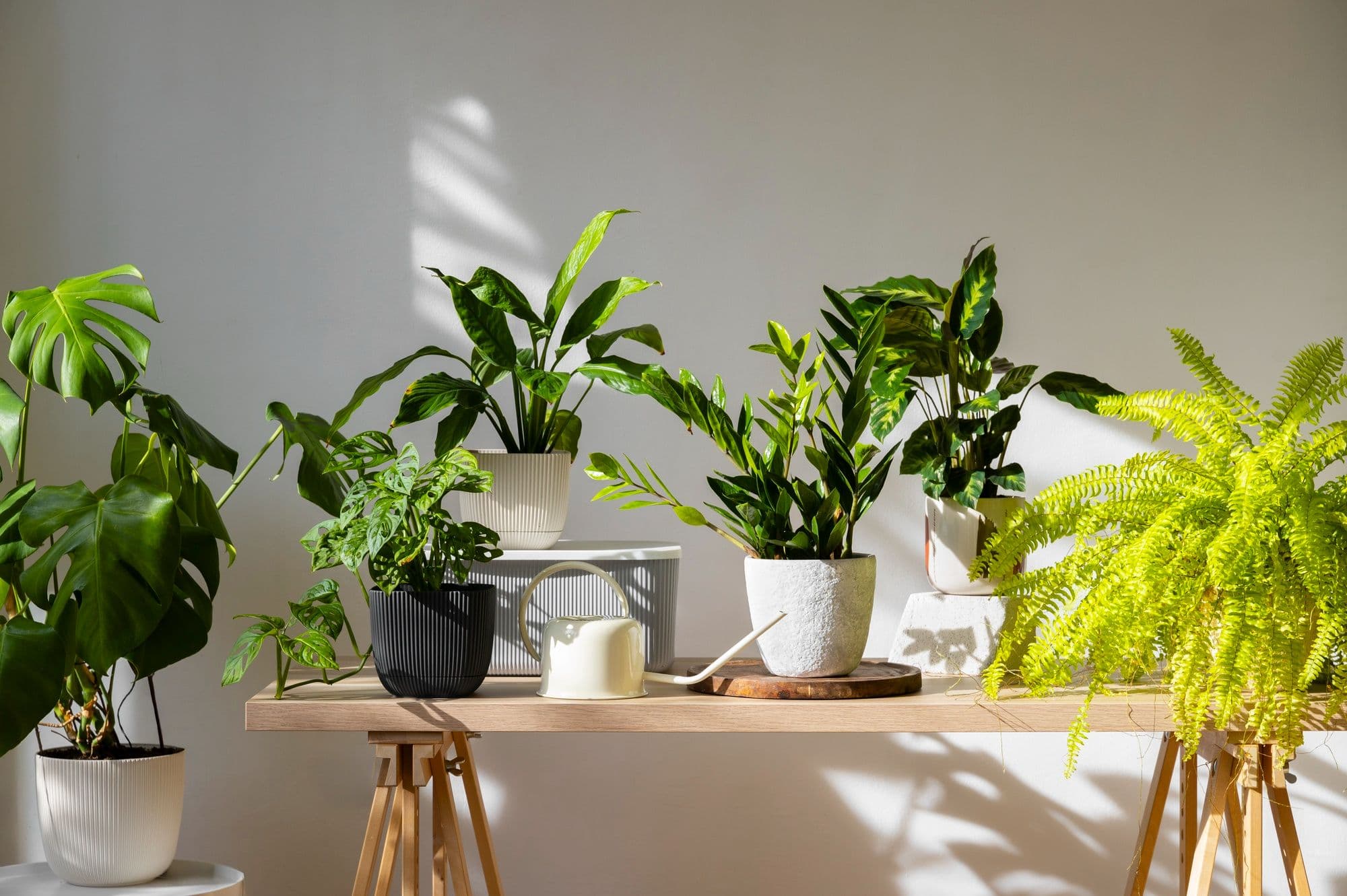
Top 5 Best Indoor Plants for Air Quality

5 min read · 11 Sept 2026

Top 5 Best Indoor Plants for Air Quality

Indoor plants can make a room feel fresher thanks to their air-purifying qualities. Here are 5 of the most suitable choices for your routine and living space.

Plant Recommendations
Top 5 Best Indoor Plants for Air Quality
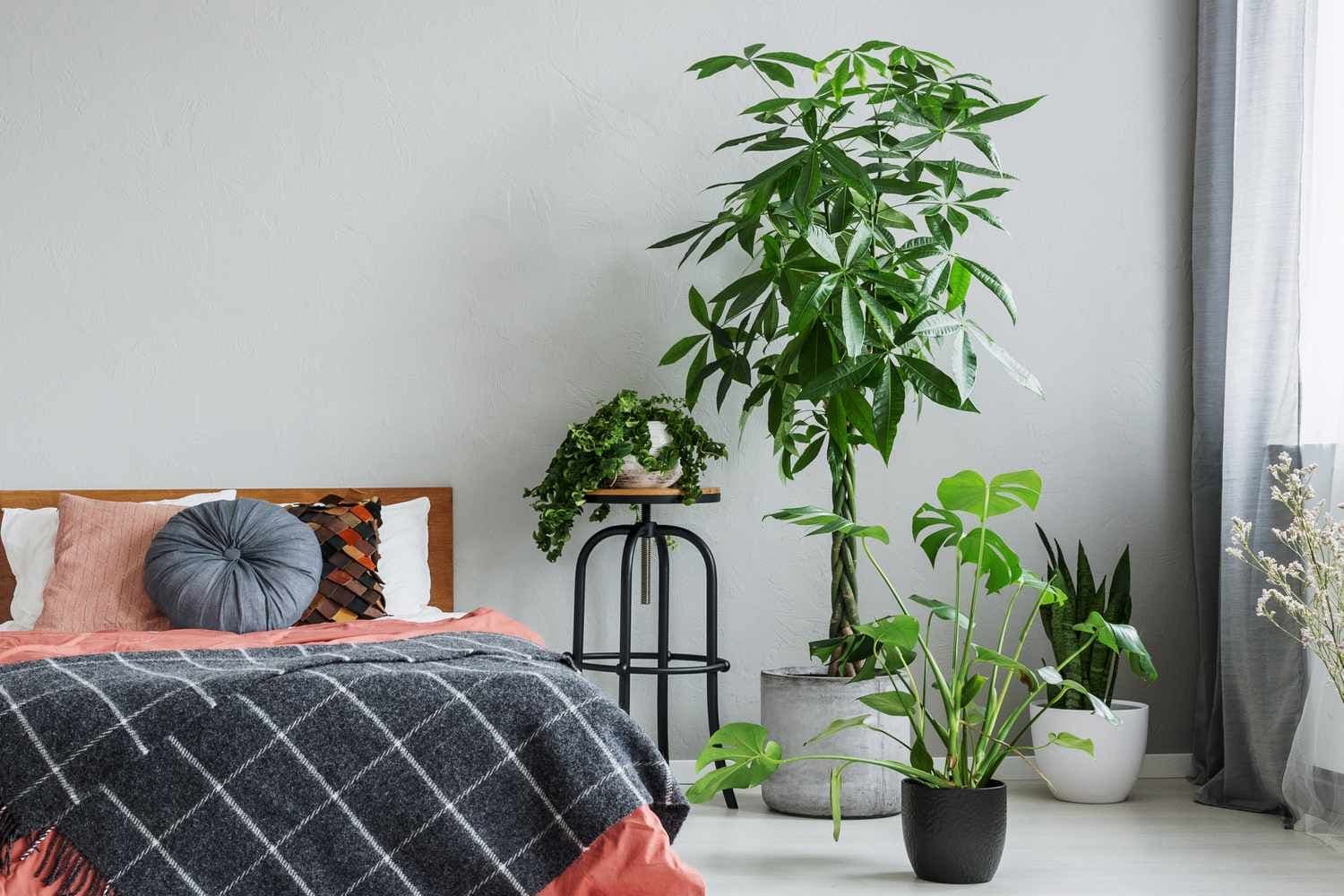
Best Bedroom Plants – Top 10 to Grow in Your Space

8 min read · 8 Jul 2026

Best Bedroom Plants – Top 10 to Grow in Your Space

Discover the top 10 houseplants that are suitable for growing in your bedroom. Compare their light and water needs, pet safety, and benefits. Find out where best to place greenery in your relaxation space and what species to avoid.

Plant Recommendations
Best Bedroom Plants – Top 10 to Grow in Your Space
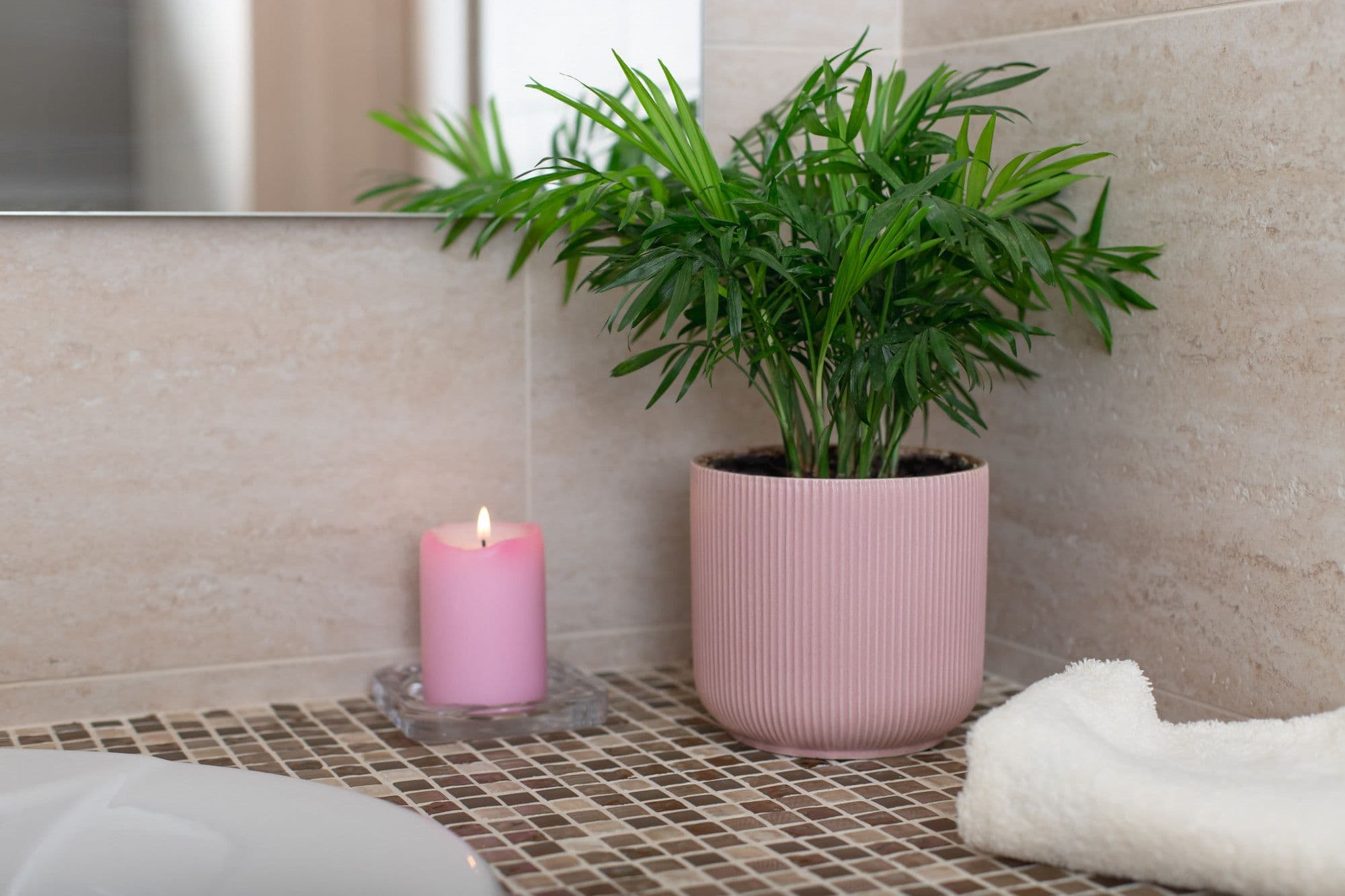
12 Best Plants for Bathroom That Thrive in Humid Conditions

9 min read · 29 Sept 2026

12 Best Plants for Bathroom That Thrive in Humid Conditions

Discover the 12 best plants for bathroom spaces. Each pick comes with its own advantages, plus light, humidity, watering, and placement tips. Take a look and match the plant to your specific bathroom.

Plant Recommendations
12 Best Plants for Bathroom That Thrive in Humid Conditions