



Best Soil for catnip (Nepeta cataria)

Nepeta cataria grows best in loose, well-drained soil with a sandy or loamy texture that supports healthy root development.

Soil Texture

Sandy, Loamy, Rocky

Soil pH

Slightly acidic (6.5–7.0), Neutral (7.0)

Soil Drainage

Well-drained

Nepeta cataria Soil Guide

Native to parts of Europe, Asia, and the Middle East, Nepeta cataria often grows in open, sunny places with lean, loose ground. That background explains why catnip soil should feel airy and drain quickly rather than staying dense or wet.

A sandy, loamy, or slightly rocky substrate suits its fine root system because roots need oxygen as much as moisture. The best soil for catnip holds some water briefly, but excess should move through fast to match the dry, well-drained conditions this species is adapted to.

A simple homemade blend helps keep drainage and root support in balance for Nepeta cataria in containers.

100% total mix = 20 scoops
10%
fine gravel2 scoops
20%
perlite or pumice4 scoops
30%
coarse sand6 scoops
40%
potting soil8 scoops

The finished mix should feel loose, gritty, and easy to crumble, with water moving through quickly instead of pooling.

A good target for catnip is 6.5–7.0 pH. That places it in slightly acidic to neutral soil, where key nutrients remain available without creating unnecessary uptake problems.

Nepeta cataria is fairly comfortable near neutral conditions, so a small shift within that range is usually manageable. If pH drifts too far, some nutrients become less available even when they are present in the soil.

This species usually handles average garden conditions well, but root health can decline when the growing medium stays dense for too long.

Compaction:

Compaction: Soil that feels hard, crusted, or slow to absorb moisture can limit root airflow, so gently loosen the surface and check whether the mix has become too fine.

Staying wet too long:

Staying wet too long: If the root zone remains damp well after watering, reduce moisture retention by replacing part of the old medium with a fresher, more open blend.

Surface buildup:

Surface buildup: A pale crust on top of catnip soil may point to mineral or salt accumulation, so scrape off the top layer and refresh it with clean mix.

Crowded roots:

Crowded roots: When growth slows and the medium seems to dry unusually fast, inspect the root mass and consider moving it into a slightly roomier container.

Better Soil Starts Here

Botan helps match this plant to a suitable growing medium so it is easier to choose a soil setup that fits its root needs.

FAQ

Yes. Drainage holes let excess water leave the container instead of collecting around the roots. That matters for long-term root health, especially when using a fast-draining catnip potting mix indoors or on patios.

Everything About catnip

More Plant Soil Guides

See If Soil Is the Issue

Use Botan’s photo-based assessment to check whether a visible issue could be linked to the growing medium and what to review next.

Botan app helping with soil and plant care
Best Fertilizer for Vegetable Gardens – What to Use for Each Plant

11 min read · 20 Jul 2026

Best Fertilizer for Vegetable Gardens – What to Use for Each Plant

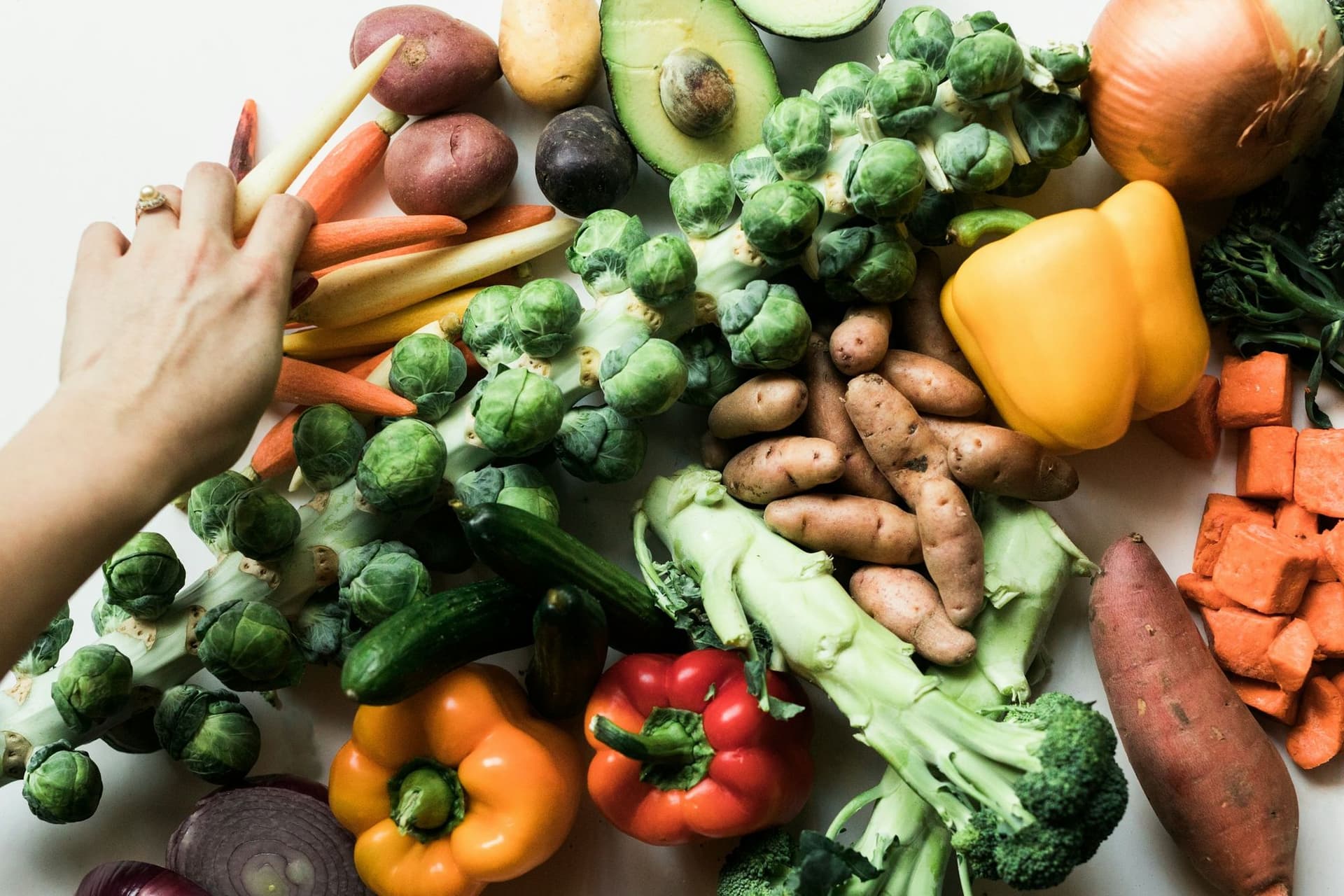
Here, you’ll find the right fertilizer formula for vegetables in your garden. Learn how to adjust feeding correctly throughout the growing cycle, spot nutrient deficiencies by their symptoms, and keep your plants healthy and prolific.

Plant Recommendations
Best Fertilizer for Vegetable Gardens – What to Use for Each Plant
12 Best Cold-Hardy Vegetables for Cold Weather

7 min read · 13 Oct 2026

12 Best Cold-Hardy Vegetables for Cold Weather

Cold-hardy vegetables can keep a garden productive through chilly fall, winter, and early spring weather. This guide covers 12 reliable crops, their frost tolerance, and practical growing tips for better cold-season harvests.

Plant Recommendations
12 Best Cold-Hardy Vegetables for Cold Weather
Plant Pot Sizes: How to Choose the Right Plant Container

7 min read · 20 Aug 2026

Plant Pot Sizes: How to Choose the Right Plant Container

Plant pot sizes can be confusing because the number on the label only tells you part of the required information. A container may look spacious but actually be too shallow. So, how to choose pot size for plant species?

Beginner Guides
Plant Pot Sizes: How to Choose the Right Plant Container