Natural streamside creeper
In the wild, Lysimachia nummularia often grows along stream banks, pond edges, and wet meadows, showing a preference for consistently moist to wet soils rather than dry ground.

This page explains when, how often, and how much to water Creeping jenny for practical everyday care.

Water Requirements
Keep Soil Moist
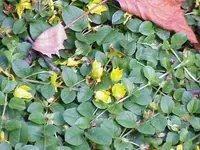
This low-growing groundcover thrives in naturally damp areas along streams and pond edges. Lysimachia nummularia prefers soil that stays evenly moist, reflecting its wet-ground origins rather than dry, rocky sites.
In most gardens, watering Creeping jenny means maintaining gentle, consistent moisture without prolonged dryness. Outdoor plants usually handle brief fluctuations better than container-grown ones, which depend more on regular monitoring to avoid extremes.
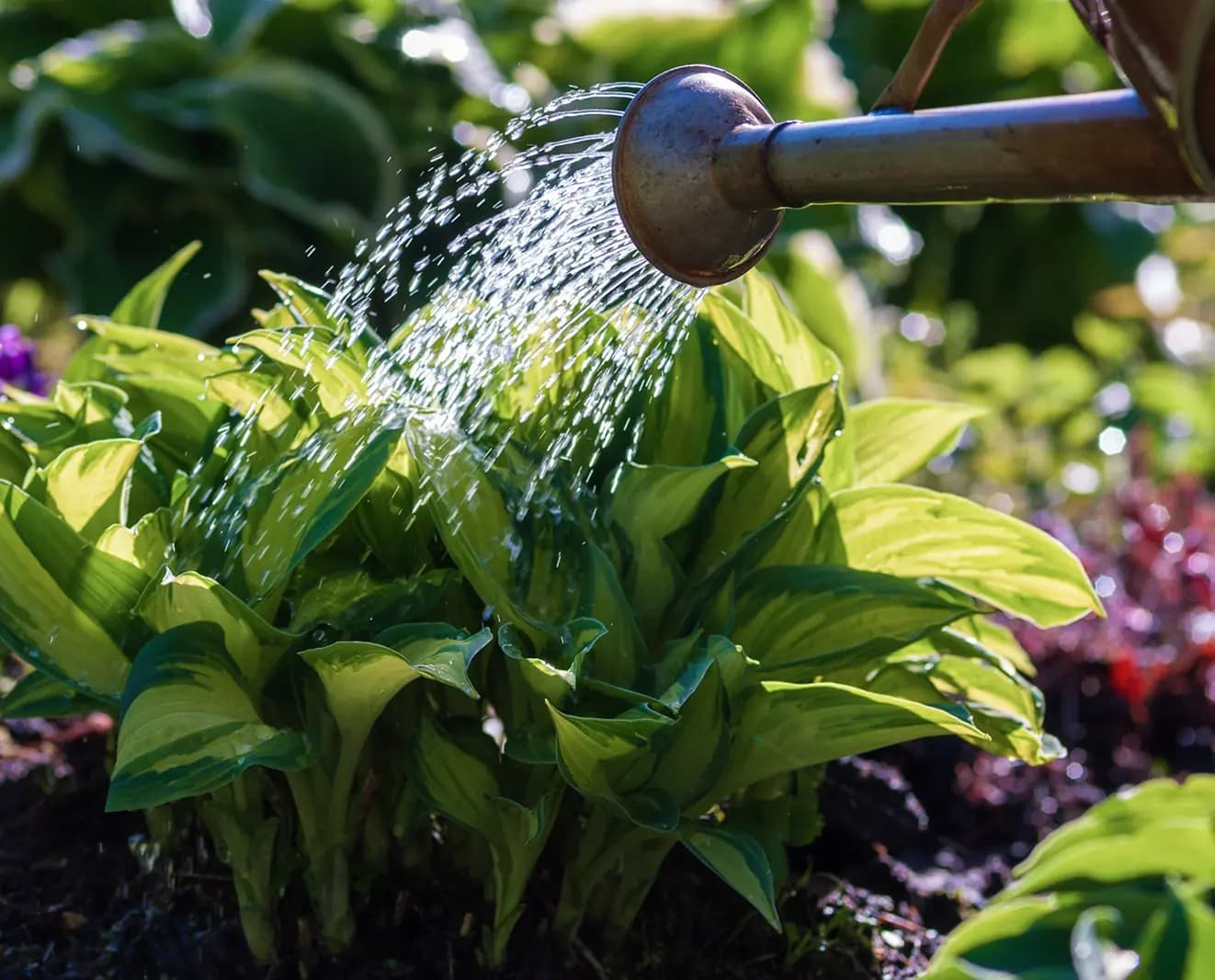
Water when the top 1–2 inches (3–5 cm) of soil feel evenly moist but not soggy and are just starting to lose surface gloss, rather than letting the soil fully dry. Creeping jenny in hot sun or shallow containers typically needs shorter intervals, while cooler, shadier conditions extend the time between waterings.
Water Creeping jenny when the top 1 inch (2–3 cm) of soil feels evenly moist but not saturated.
Wrong moisture balance can stress Lysimachia nummularia and trigger several avoidable health problems.
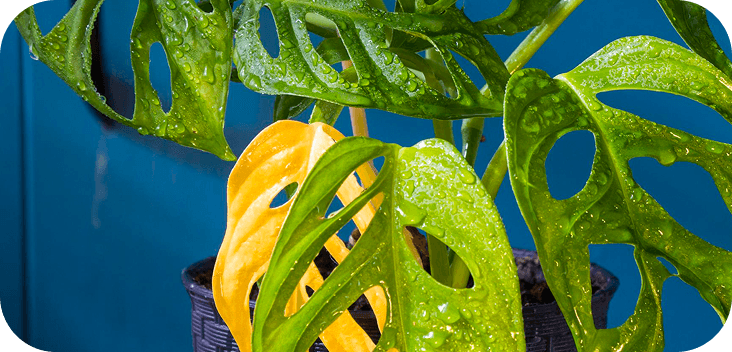
Foliage turns uniformly yellow from the oldest stems due to persistently soggy soil and poor drainage.
Stems droop and feel limp even in damp substrate, suggesting developing root rot from chronic overwatering.
Leaf margins dry, curl, and brown when soil dries out too far between waterings.
New runners emerge slowly and look thin when kept slightly dry instead of consistently moist.
Green film or mossy patches on the surface indicate overwatering and limited air reaching roots.
Keep soil consistently moist but not waterlogged, adjusting frequency with drainage, light, and seasonal growth.
Poor watering habits can weaken Creeping jenny, making Lysimachia nummularia less dense, less colorful, and more vulnerable to stress.
Aim for soil that drains well and stays lightly moist, adjusting watering by touch and weather rather than rigid routines.
Is It Time to Water?
See whether your plant is ready for watering or needs more time to dry.
Use Botan for a clear watering guide and simple care steps for Creeping jenny. The app can also review plant photos to help spot early signs of stress or problems.
In the wild, Lysimachia nummularia often grows along stream banks, pond edges, and wet meadows, showing a preference for consistently moist to wet soils rather than dry ground.
The creeping stems and roots can survive short periods of flooding or shallow submersion in garden ponds and bog gardens, which reflects its origin in occasionally waterlogged habitats.
Where soil stays evenly moist, its rooting nodes along the stems establish quickly, allowing the plant to form dense mats much faster than in drier conditions.
A pot with several drainage holes and a shallow, wide shape works best. Good drainage prevents standing water around the roots while the wider surface helps the soil dry more evenly between waterings.
Botan reviews your routine to confirm if watering amounts stay on track.
6 min read · 18 Aug 2026
The right fertilizer in summer can make a lawn thrive. The wrong one can damage it. Here, you’ll learn the best NPK ratios by grass type, when and how to apply your formula, and how to recognize the signs of over- or under-fertilizing.
5 min read · 11 Sept 2026
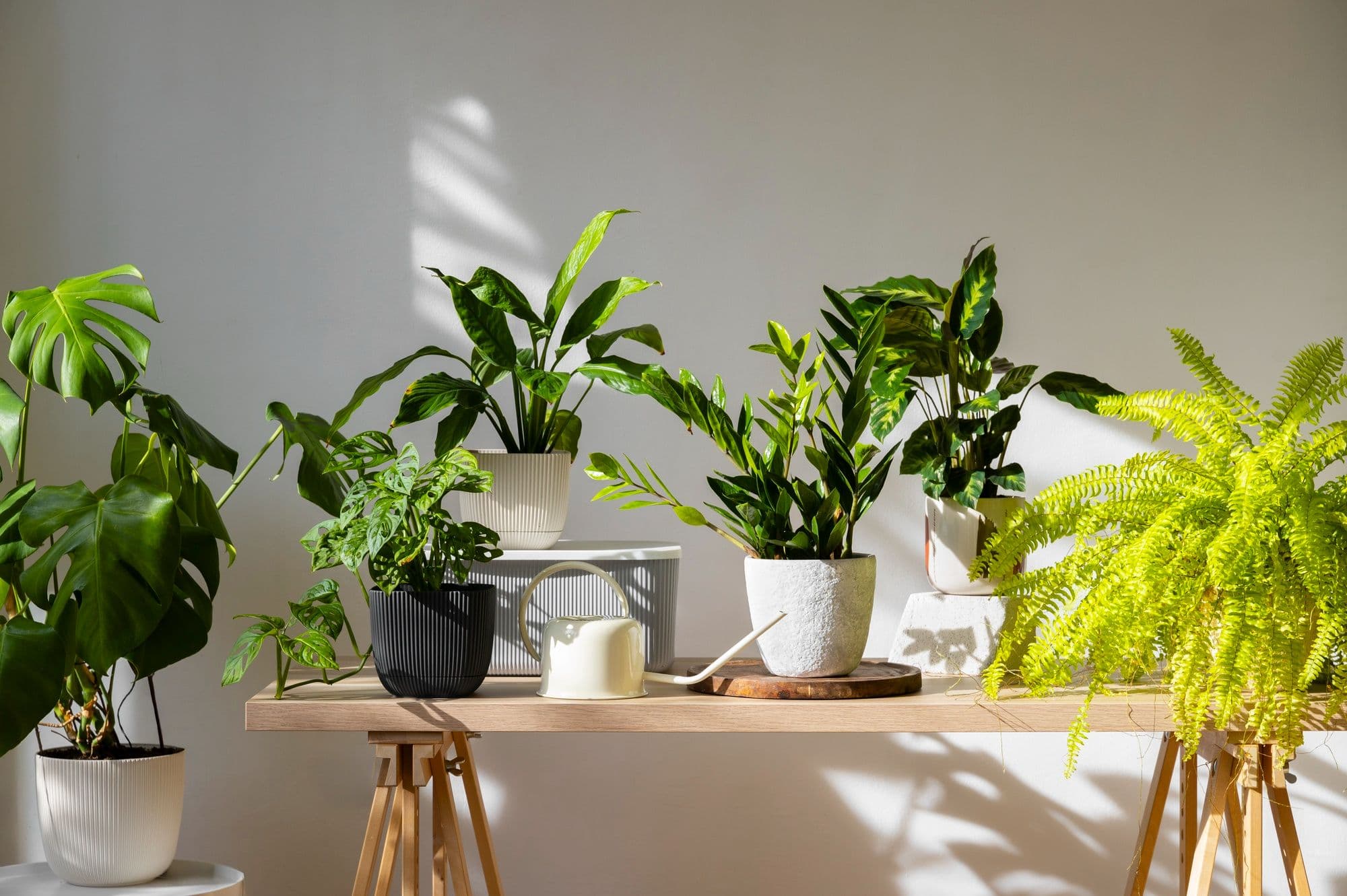
Indoor plants can make a room feel fresher thanks to their air-purifying qualities. Here are 5 of the most suitable choices for your routine and living space.
8 min read · 24 Jul 2026
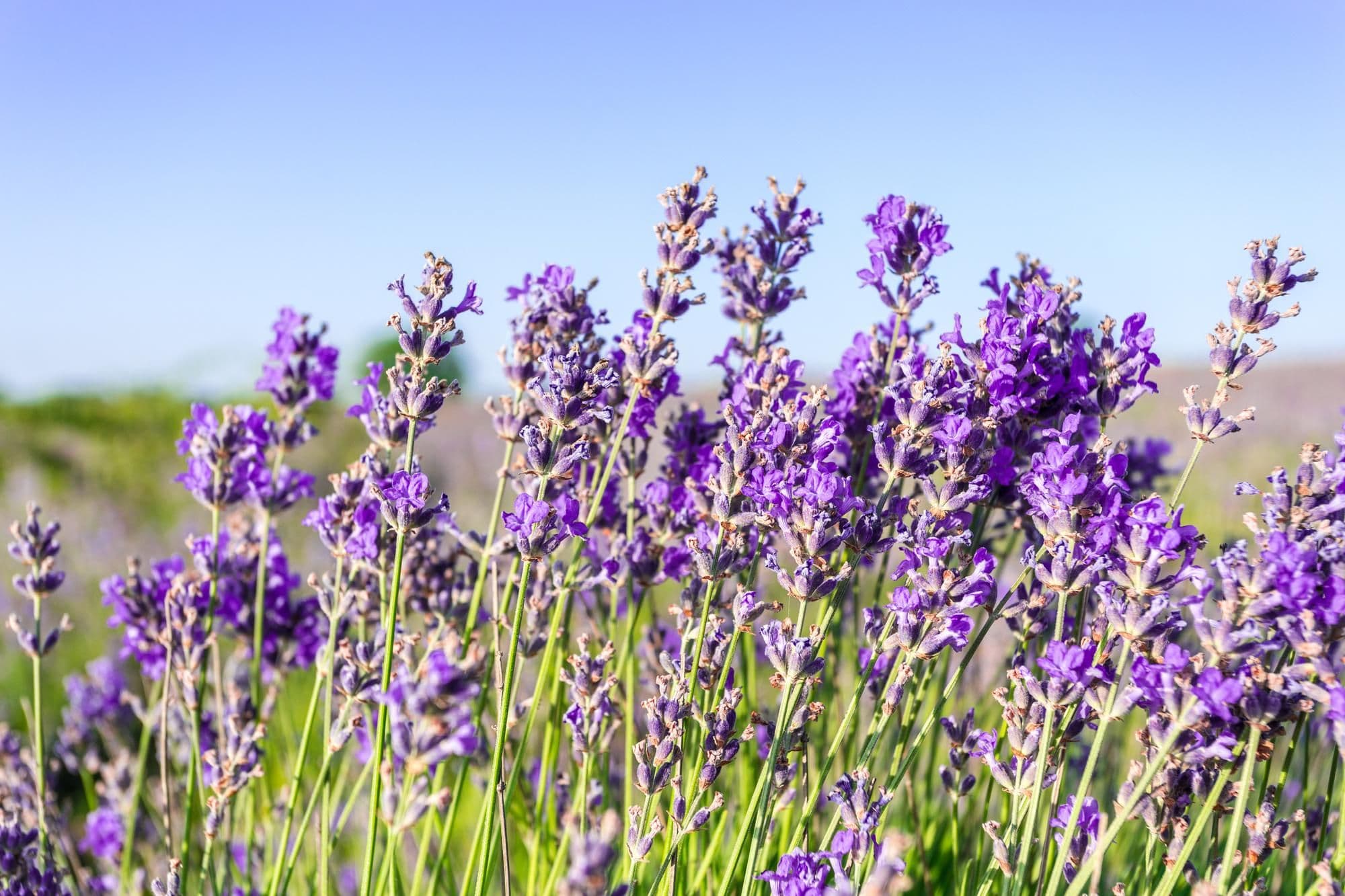
Spiders constantly appear in places you don't want them. A few common plants can help repel them using scent alone. Here are 12 options suitable for both indoors and outdoors, plus care tips for each.