
5 min read · 11 Sept 2026
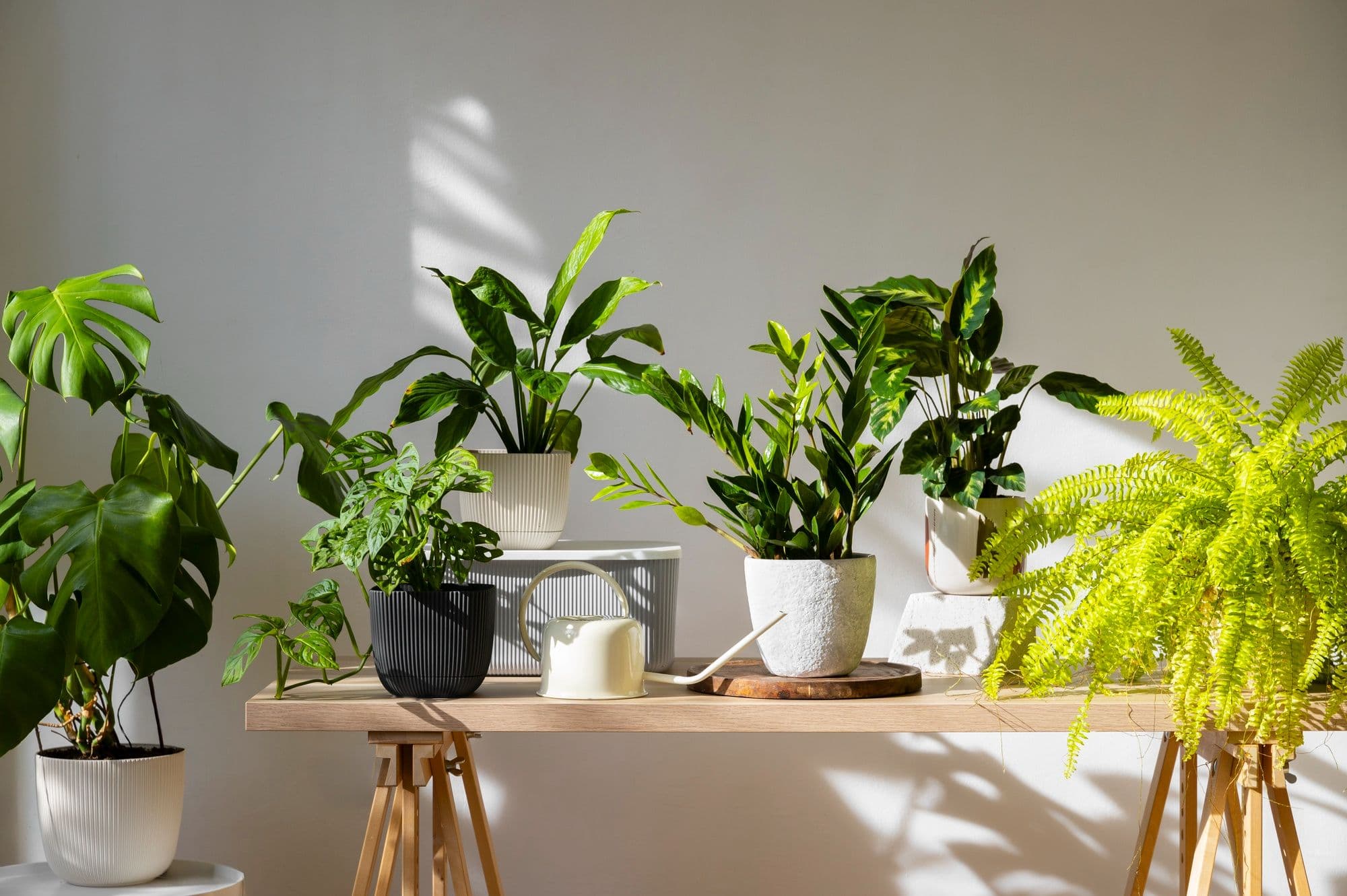
Top 5 Best Indoor Plants for Air Quality
Indoor plants can make a room feel fresher thanks to their air-purifying qualities. Here are 5 of the most suitable choices for your routine and living space.
Plant Recommendations

This page explains when, how often, and how much to water Impatiens hawkeri for steady growth and reliable flowering.

Water Requirements
Keep Soil Moist
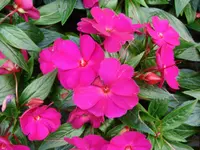
Native to humid, rain-fed habitats, these plants appreciate steady moisture without prolonged dryness or soggy conditions. Impatiens hawkeri usually grows in containers and garden beds, so watering New Guinea Impatiens balances indoor and outdoor needs.
As a rule, aim for evenly moist soil that never feels bone-dry or waterlogged. Indoor plants typically need gentler, more controlled watering than outdoor plantings exposed to sun and wind.
Water when the top 1–2 inches (3–5 cm) of soil feel dry and the pot feels noticeably lighter. New Guinea Impatiens in bright light or outdoor summer heat typically need water every 1–3 days, while plants in cooler, lower-light spots usually go longer between waterings.
Water New Guinea Impatiens when the top 1 inch (2–3 cm) of potting mix feels dry and slightly lighter.
Incorrect moisture balance can trigger several problems for Impatiens hawkeri growth and health.
Limp, folding stems and leaves usually result from underwatering, shallow roots, or intense midday heat stress.
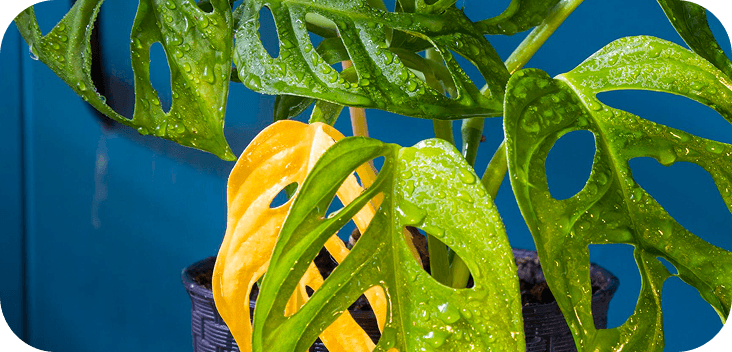
Older leaves turn pale, then yellow, when soil stays wet, restricting oxygen and nutrient uptake.
Soft, collapsing stem bases indicate chronic waterlogging and potential fungal rot in poorly drained soil.
Crisp, brown margins with faded patches form when plants dry out under strong sun or warm winds.
Keep soil consistently moist, not saturated, using well-drained media and shielding plants from extended drought or soggy conditions.
Unsuitable watering habits quickly stress New Guinea Impatiens, limiting growth and flowering even when light and temperature seem correct.
Aim for evenly moist, well-drained soil and responsive watering based on feel, not habit, to keep Impatiens hawkeri thriving.
Is It Time to Water?
See whether your plant is ready for watering or needs more time to dry.
Use Botan for a simple watering guide and care checklist tailored to Impatiens hawkeri, plus gentle photo-based issue detection to spot stress or pests before they spread.
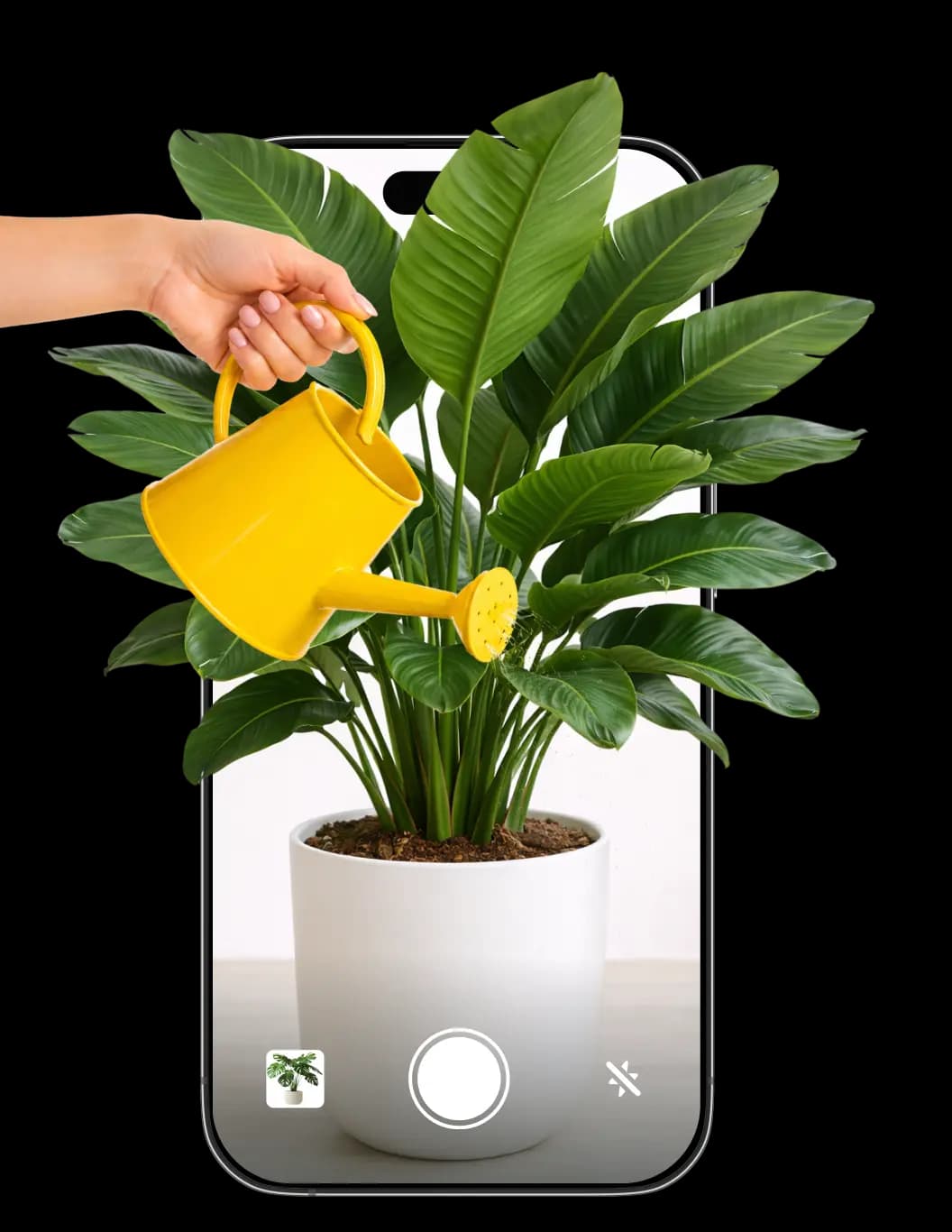
Water when the top 1 inch (2–3 cm) of soil feels dry, rather than on a fixed schedule. In warm growing conditions this may mean every 2–3 days; in cooler, lower-light conditions, watering is less frequent.
Botan reviews your watering pattern to suggest balanced, consistent moisture adjustments.
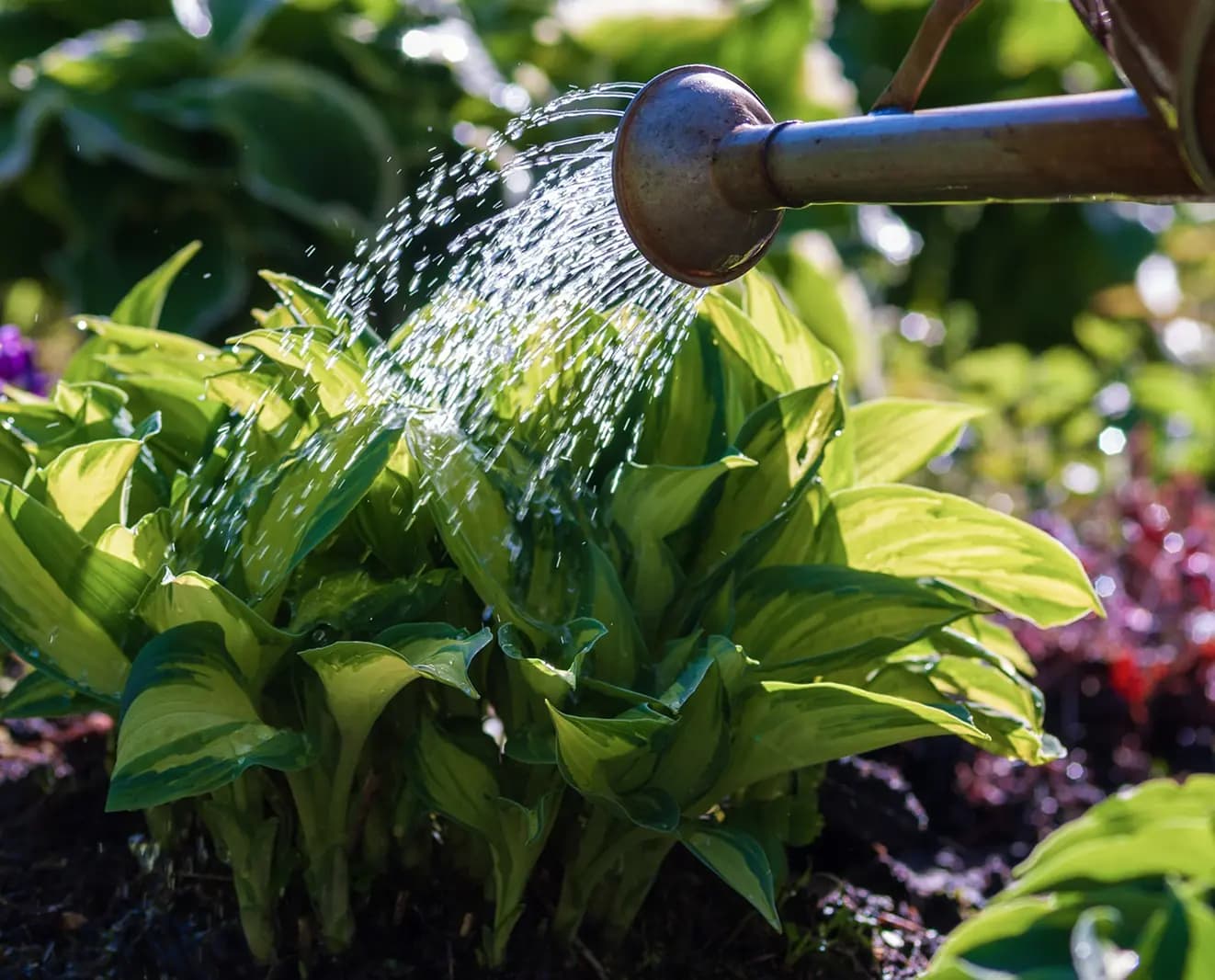
5 min read · 11 Sept 2026
Indoor plants can make a room feel fresher thanks to their air-purifying qualities. Here are 5 of the most suitable choices for your routine and living space.
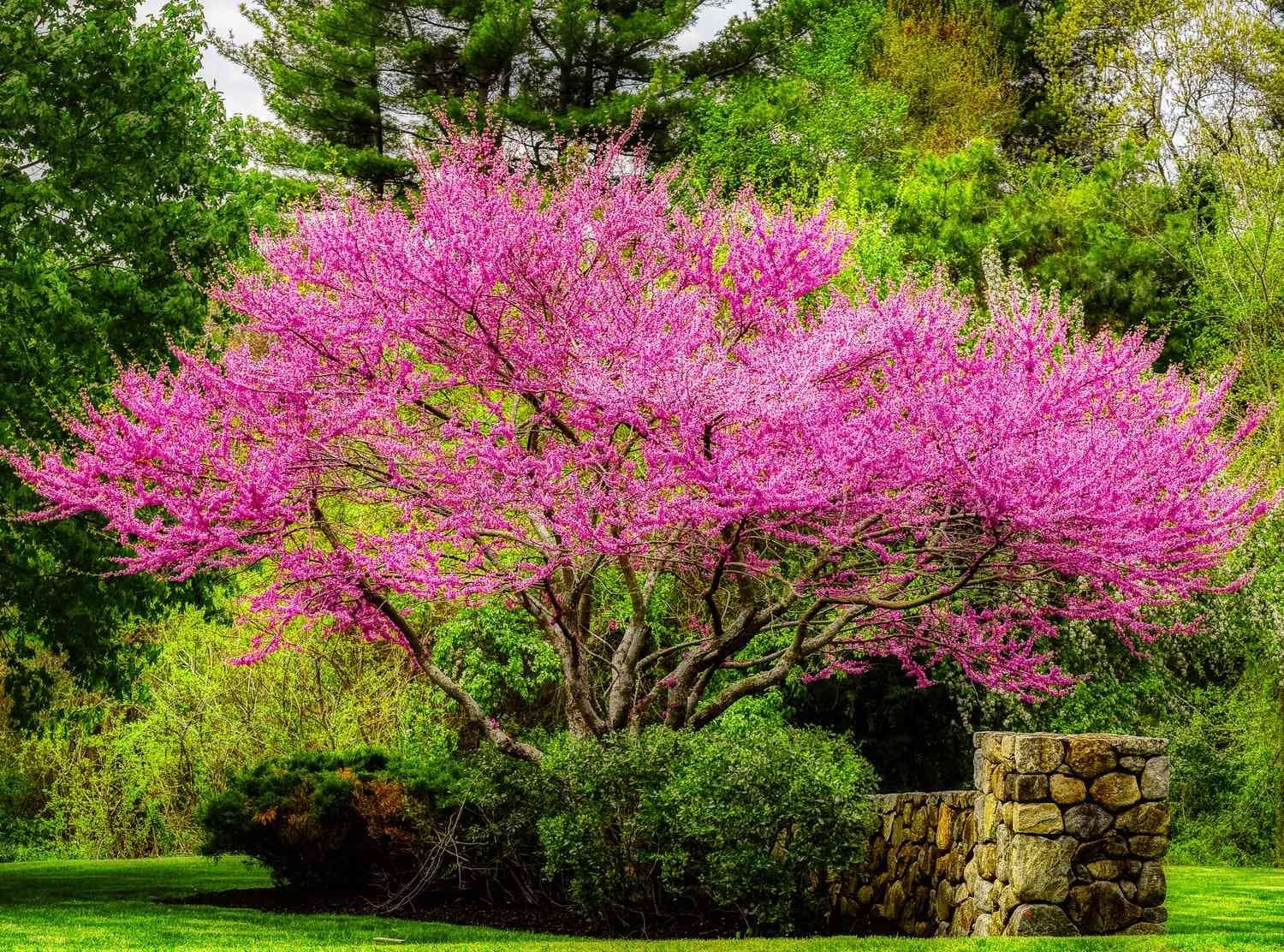
13 min read · 28 Jul 2026
Learn which of the 15 fastest-growing trees will suit your area. We’ll share detailed information on each: growth rate, mature spread, key tree demands, and main vulnerabilities. Read on and make the best choice possible.
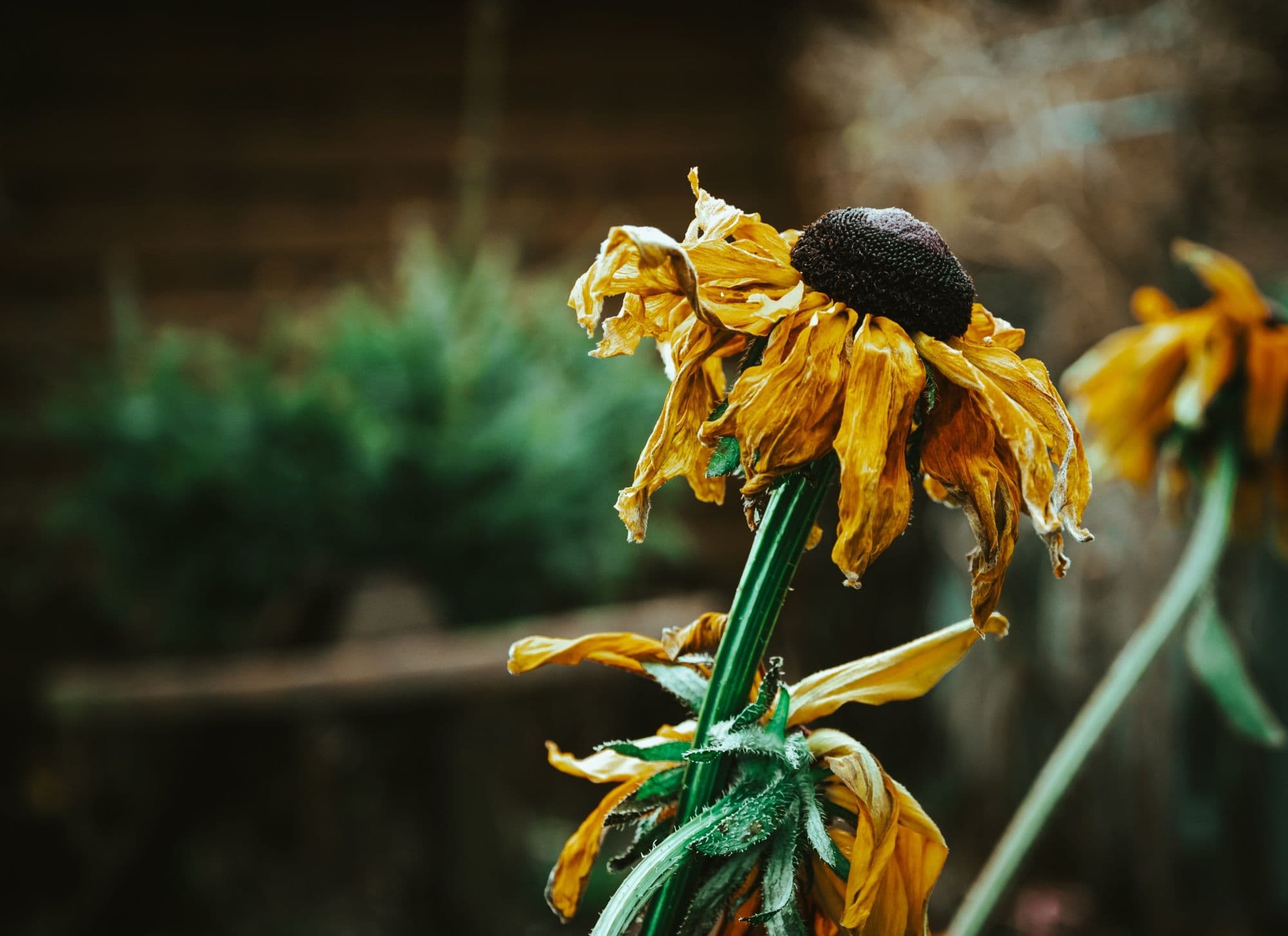
6 min read · 19 Aug 2026
A plant can lose its leaves, stop growing, or collapse and still remain alive. A closer look at the stems, roots, bulbs, and tubers can show whether the plant still has a chance to recover.