


Regular deadheading
Remove spent flowers and the small developing seed pods every few days to keep the plant directing energy into new blooms instead of seed production.

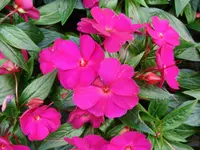
New Guinea impatiens (Impatiens hawkeri) is a compact, fast-growing flowering plant valued for its bright, long-lasting blooms and lush, glossy foliage. It is commonly grown as a seasonal bedding plant or in containers on shaded patios and balconies.
In nature, it occurs in the moist, warm highlands of New Guinea, where it grows as a herbaceous perennial in filtered light. Modern cultivars offer a wide range of flower colors and leaf patterns, and most form neat, mounded clumps.
This species is generally considered easy to grow if given consistent moisture, good drainage, and protection from harsh midday sun. Understanding how to care for New Guinea Impatiens helps keep plants flowering reliably through the warm season.

Care Difficulty
Moderate Care

Light Preference
Partial Shade

Water Requirements
Keep Soil Moist

Temperature Preference
Tropical / Frost Sensitive

Hardiness Zone
10–11

Soil Texture
Loamy, Peaty, Organic-rich

Soil pH
Acidic (5.5–6.5), Slightly acidic (6.5–7.0)

Soil Drainage
Moist but well-drained

Fertilization
Moderate (every 2–4 weeks)
Scan your plant to receive care tips personalized for your specific plant
Available on iOS and Android
This plant prefers bright, gentle light to flower well without leaf scorch.
This plant needs evenly moist but not waterlogged soil for continuous flowering.
This plant grows best in warm, frost-free conditions throughout the season.
This species prefers moderately high humidity to maintain steady growth and flowering.
Impatiens hawkeri grows best in loose, moist, organic-rich potting soil with reliable drainage.
This species is well suited to container growing on patios, balconies, and shaded outdoor areas.
This plant responds well to consistent, modest feeding during the warm growing season.
Light pruning helps Impatiens hawkeri stay compact, branching, and floriferous.
Container-grown plants benefit from occasional repotting to maintain vigorous growth.
Vegetative propagation allows gardeners to maintain desirable flower colors and forms.
This plant is frost-tender and usually grown as a warm-season annual in temperate climates.

Plant Health Check
Not sure what's wrong with your plant? Check your plant's health inside the app.
This species is native to the highlands of New Guinea, where it grows in bright but filtered light under forest canopies rather than in deep shade.
Most modern New Guinea impatiens sold in nurseries are complex hybrids derived from Impatiens hawkeri and closely related species, bred for larger flowers, compact growth, and stronger disease resistance.
Unlike many bedding impatiens that flower best under specific daylengths, Impatiens hawkeri is only weakly sensitive to daylength, so it can bloom over a long season when temperatures are suitable.

The species name hawkeri honors British naturalist C. B. Hawker, who collected the plant in New Guinea in the late 19th century, leading to its introduction into European horticulture soon after.
Brown leaf edges usually come from inconsistent watering, fertilizer burn, or low humidity. Check soil moisture, flush excess fertilizer, and avoid letting the pot dry out completely. Strong midday sun or cold drafts can also scorch tissue.
Keep your plants happy and healthy with plant identification, disease detection, and easy care guidance.


peach-leaved bellflower
Campanula persicifolia
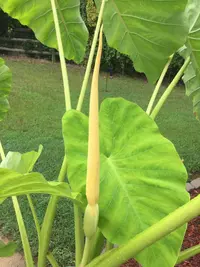
Taro
Colocasia esculenta 'Lime Aide'
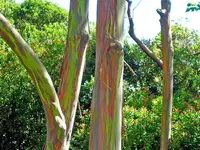
Indonesian gum
Eucalyptus deglupta
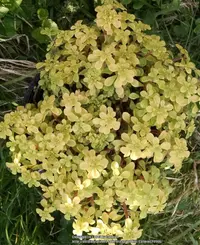
Japanese Woodland Stonecrop
Sedum makinoi 'Ogon'
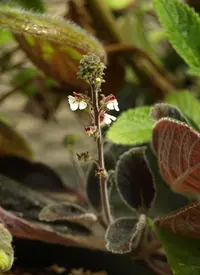
Gloxinia erinoides
Gloxinia erinoides
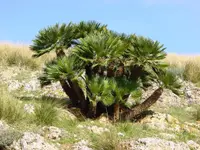
European fan palm
Chamaerops humilis

Douglas iris
Iris douglasiana
San Felipe dogweed
Adenophyllum porophylloides