Douglas iris Care (Iris douglasiana)

Douglas iris

About Douglas iris

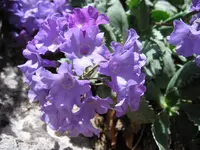
Douglas iris, Iris douglasiana, is a perennial flowering plant native to coastal regions of California and southern Oregon. It forms clumps of narrow, upright leaves and showy spring flowers. Flowers are usually shades of purple, lavender, or blue, with delicate veining and a simple, elegant form. Plants spread slowly by rhizomes, creating low, informal drifts in suitable conditions. This species is adapted to mild, Mediterranean-type climates and prefers sun to light shade, with soil that drains well but does not stay dry for long periods. These traits make it relatively low-maintenance once established, as long as basic site needs are met and you understand how to care for Douglas iris.

Main Plant Requirements

Care Difficulty

Moderate Care

Light Preference

Partial Sun

Water Requirements

Moderate Water

Temperature Preference

Cold Hardy

Hardiness Zone

6–9

Soil Texture

Sandy, Loamy, Clay

Soil pH

Acidic (5.5–6.5), Slightly acidic (6.5–7.0)

Soil Drainage

Moist but well-drained

Fertilization

Minimal (feed rarely)

Get Personalized Care Plan

Scan your plant to receive care tips personalized for your specific plant

Available on iOS and Android

How to Care for the Douglas iris

This coastal native iris thrives with bright conditions that balance sun and protection from harsh heat.

  • Provide 4–6 hours of sun daily, ideally morning sun with light afternoon shade, especially in hotter inland sites.
  • Plant Douglas iris where it receives partial shade under open trees or on an east-facing exposure; dense shade reduces flowering and produces weak growth.
  • In cool, foggy coastal areas it tolerates more direct sun, but in dry, hot summers strong afternoon sun can scorch leaves and dry soils too quickly.

This iris prefers steady moisture in the cool season and drier conditions in summer once established.

  • In fall–spring, water when the top 3–5 cm of soil feels just dry, aiming for evenly moist but never waterlogged soil around Iris douglasiana.
  • Ensure fast drainage with sandy or loamy soil; signs of overwatering include yellowing, soft fans and rotten-smelling rhizomes, especially in heavy clay.
  • In summer, reduce watering for established plants, allowing the top 5–7 cm to dry; drooping, narrow leaves that do not perk up after evening coolness suggest underwatering.

This species is adapted to mild coastal climates with cool, wet winters and dry, moderate summers.

  • Active growth is strongest at 50–70°F (10–21°C), with good performance up to about 75°F (24°C) if soil moisture is consistent.
  • Plants tolerate light frosts down to about 20°F (-6°C); brief dips a little lower are possible, but repeated hard freezes can damage foliage and buds.
  • During hot spells above 85°F (29°C), provide afternoon shade and maintain some soil moisture; prolonged heat above 95°F (35°C) can scorch leaves and stress rhizomes.

This coastal species manages well in typical household humidity but grows best in slightly moist air.

  • Aim for 40–60% humidity, which reflects the mild, maritime conditions where Douglas iris naturally occurs.
  • Plants tolerate short periods of drier air, but leaf tips may brown and edges may curl if humidity stays low.
  • Increase humidity outdoors with nearby mulch and dense planting, or indoors by grouping plants and using a pebble tray rather than misting.

Iris douglasiana prefers moist, well-aerated soil that never stays waterlogged.

  • Use a loamy mix with 40–60% compost or leaf mold plus mineral material such as sand or fine grit for structure.
  • Ensure drainage is fast but not extreme; water should drain within minutes yet the soil should stay evenly moist, not soggy.
  • Aim for slightly acidic to neutral pH around 6.0–7.0, avoiding strongly alkaline conditions that restrict nutrient uptake.
  • Improve aeration and drainage in heavy clay by raising the planting area and blending in coarse sand or fine bark, avoiding peat-only mixes.

This species can be grown in containers if the pot and drainage are managed carefully.

  • Choose a pot at least 25–30 cm deep to allow rhizomes and roots to spread horizontally without crowding too quickly.
  • Use a heavier clay or ceramic pot in windy sites to keep the clumping foliage from tipping the container.
  • Elevate the pot on feet or bricks so drainage holes stay clear and excess water escapes rapidly after rainfall or irrigation.

Native Iris douglasiana usually needs modest feeding when grown in average garden soil.

  • Apply a light layer of compost or well-rotted leaf mold around clumps in early spring to support new growth.
  • Use a balanced slow-release fertilizer (around 10-10-10) at half strength once in spring if soil is poor.
  • Avoid summer applications in dry, hot periods, as extra nutrients can stress drought-adapted plants.
  • Do not feed during dormancy or in winter; excess nutrients at this time can weaken rhizomes.

Pruning Iris douglasiana focuses on hygiene and maintaining a tidy clump rather than shaping.

  • Cut spent flower stalks at the base after blooming to prevent unwanted self-seeding and tidy the plant.
  • Remove yellow, dead, or damaged leaves with clean hand pruners or scissors throughout the growing season.
  • In late fall or very early spring, trim back tattered foliage, leaving healthy green fans to support growth.
  • Thin out congested fans when dividing clumps to improve airflow and reduce foliar disease risk.

This iris is typically grown in the ground, so care focuses on lifting and transplanting established clumps.

  • Transplant every 3–5 years when flowering declines, clumps become crowded, or growth slows noticeably.
  • Best timing is late summer to early fall, after flowering and during cooler weather.
  • Lift clumps carefully with a fork, tease apart rhizomes, and trim damaged roots to reduce stress.
  • Replant divisions with rhizomes just at or slightly below soil level, water deeply, then keep evenly moist until established.

Iris douglasiana is most commonly propagated by division, with seed used mainly for larger restoration projects.

  • Divide mature clumps in late summer to early fall when the soil is workable and temperatures moderate.
  • Lift the clump, separate healthy firm rhizomes with several fans, and discard soft or diseased pieces.
  • Replant divisions promptly in well-drained soil, spacing 25–40 cm apart, and water consistently until reestablished.
  • For seed, sow fresh in a cool, moist medium outdoors to allow natural winter chilling and slow germination.

Established Iris douglasiana is generally hardy in mild coastal climates and needs limited winter attention.

  • In regions with light frost, a 5–7 cm layer of mulch around, but not over, rhizomes helps buffer temperature swings.
  • Avoid heavy, wet mulch directly on rhizomes, which increases rot risk in cool, damp winters.
  • Container plants in colder inland areas can be moved to a sheltered, unheated porch or cold frame.

Care Tips

Rhizome division timing

Divide clumps in late summer to early fall only when flowering declines, replanting firm, healthy rhizomes just at or slightly below the soil surface to maintain vigor and prevent overcrowding.


Mulch choice and depth

Use a thin, open mulch layer of fine bark or leaf mold around but not on top of rhizomes, keeping it 2–3 cm away from the crown to suppress weeds while avoiding rhizome rot.

Summer dormancy management

Allow established plants to go semi-dormant in dry summer periods by reducing irrigation rather than keeping soil constantly moist, which better mimics their native coastal climate and reduces rot risk.

Site drainage improvement

In heavier soils, plant on slight mounds or low berms 5–10 cm high and amend only the top planting layer so excess water drains away from rhizomes during wet winter periods.

Seedling selection practice

If starting from seed, grow several seedlings together, then keep only the most vigorous, disease-free plants after 2–3 years to build a more resilient planting when caring for Douglas iris.

Common Pests and Diseases

Iris borer

This pest is the larva of a moth that tunnels into rhizomes, causing fans to yellow, collapse, and rot from the center of the clump.

Solution

Remove and destroy any affected leaves and mushy rhizome sections as soon as damage is seen, then divide and replant only firm, clean rhizomes with good air circulation. In regions where iris borers are present, clean up and dispose of all dead foliage in fall to remove overwintering eggs and consider using a labeled biological control such as Bacillus thuringiensis (Bt) on emerging foliage in early spring if past infestations were severe.

Aphids

These insects cluster on young fans and scapes, sucking sap and causing distorted growth and sticky honeydew that can lead to sooty mold on leaves.

Solution

Rinse colonies off with a strong stream of water, then encourage or introduce natural predators such as lady beetles when possible. For persistent infestations, apply an insecticidal soap or lightweight horticultural oil labeled for ornamental use, coating the undersides of leaves and repeating as needed while avoiding applications during hot, sunny periods above about 85°F.

Leaf spot (Didymellina)

This disease produces brown to purplish spots and streaks on leaves that can merge and cause premature dieback, especially in dense or irrigated plantings.

Solution

Remove and discard spotted or dead leaves promptly and avoid overhead watering to keep foliage as dry as possible. Improve spacing and air movement, then apply a labeled ornamental-fungicide to emerging foliage in early spring if the planting has a history of severe leaf spot, following all timing and safety directions as part of broader Iris douglasiana care instructions.

Rhizome soft rot

Symptoms include foul-smelling, mushy rhizomes and yellowing or collapsing fans, often following injury or prolonged wet conditions around the crown.

Solution

Dig up affected clumps, cut away all soft, discolored tissue, and discard it rather than composting. Allow healthy, firm rhizome pieces to dry for 1–2 days in shade, then replant them into well-drained soil at or just below the surface, adjusting irrigation so the crown area does not stay saturated.

Snails and slugs

These pests chew irregular holes and ragged edges in young leaves and flower stalks, sometimes leaving only midribs and clear slime trails on and around plants.

Solution

Hand-pick snails and slugs in the evening or early morning, and reduce hiding spots such as dense debris, boards, or thick groundcovers near iris clumps. Where damage is heavy, use iron phosphate bait products labeled for ornamental beds, placing them in sheltered spots and refreshing as directed to protect non-target animals.

Interesting Facts

Coastal fog specialist

This species is naturally concentrated along the foggy Pacific coast of northern and central California, where moist marine air and mild temperatures help it stay evergreen when many other irises go dormant.

Hybrid swarm partner

In areas where their ranges overlap, Iris douglasiana often hybridizes with related Pacific Coast irises, producing complex hybrid swarms that make wild plants highly variable in flower color and pattern.

Rhizomes for sand dunes

Its creeping rhizomes help stabilize sandy or loose coastal soils, allowing the plant to form dense clumps that reduce erosion on bluffs and open woodland edges.

Botan icon

Did you know?

Iris douglasiana was one of the principal native species used to develop modern Pacific Coast hybrid irises, contributing strong vigor, evergreen foliage, and coastal tolerance to many popular garden cultivars.

FAQs about Douglas iris

Lack of flowering usually comes from too much shade, overcrowded clumps, or nutrient‑rich, soggy soil. Divide every 3–4 years, provide at least partial sun, and avoid heavy fertilization to support reliable spring blooms when growing Douglas iris.

Grow Healthy Plants with Botan Care

Keep your plants happy and healthy with plant identification, disease detection, and easy care guidance.

Botan plant care app — identify plants on mobile

Explore More Plants