Actinotus leucocephalus Care

Actinotus leucocephalus

About Actinotus leucocephalus

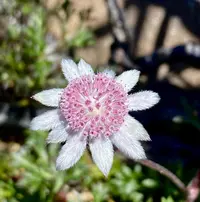
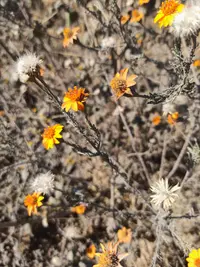
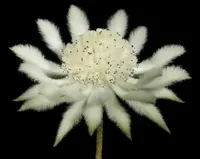
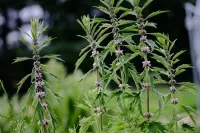
Actinotus leucocephalus is a small, short-lived perennial or annual from the carrot family, valued for its fine, dissected foliage and starry, pale flower heads. It usually forms low, bushy clumps that give a soft, textured look, with flower clusters held on slender stems above the leaves.

This species is native to parts of Australia, where it grows in open, often sandy or rocky habitats with good drainage. It can be somewhat challenging outside its natural range, as it dislikes heavy, wet soils and benefits from bright light and low to moderate humidity. Gardeners who care for Actinotus leucocephalus typically focus on sharp drainage and avoiding prolonged root wetness.

Main Plant Requirements

Care Difficulty

Moderate Care

Light Preference

Full Sun

Water Requirements

Moderate Water

Temperature Preference

Warm Climate

Hardiness Zone

Unknown

Soil Texture

Sandy, Loamy, Rocky

Soil pH

Acidic (5.5–6.5)

Soil Drainage

Well-drained

Fertilization

Minimal (feed rarely)

Get Personalized Care Plan

Scan your plant to receive care tips personalized for your specific plant

Available on iOS and Android

How to Care for the Actinotus leucocephalus

This species prefers bright conditions similar to its sunny, open native habitats.

  • Provide 6–8 hours of direct sun daily in cool to mild climates; in hotter regions, aim for morning sun with light afternoon shade.
  • Actinotus leucocephalus tolerates light partial shade but flowering and compact growth decline if it receives under 4–5 hours of direct sun.
  • In summer heat, strong afternoon sun can scorch foliage; use dappled shade or a south- or east-facing exposure, especially in dry, reflective sites.

This plant prefers slightly dry to moderately moist conditions in sharply drained soil.

  • Water only when the top 3–5 cm of soil feel dry, then soak thoroughly so water drains quickly away from the root zone.
  • In cool seasons or coastal climates, reduce frequency; in hot, dry weather, increase checks for dryness rather than following a fixed schedule for Actinotus leucocephalus.
  • Watch for yellowing, soft stems as a sign of overwatering and very limp, brittle foliage as a sign of underwatering; improve drainage if water lingers on the surface.

This species is adapted to mild, low-humidity climates and dislikes temperature extremes.

  • Aim for active growth in 60–75°F (16–24°C), which supports steady foliage and flower production without stress.
  • Protect plants when temperatures drop near 32°F (0°C); light, brief frosts may damage leaves, and hard freezes below 28°F (-2°C) can kill roots.
  • In hot periods above 90°F (32°C), provide afternoon shade and maintain air movement; combine these with well-drained soil to reduce heat and drought stress.

This species prefers relatively dry air and does not need elevated humidity.

  • Aim for 30–50% humidity, similar to most indoor and outdoor conditions in temperate homes.
  • Tolerates drier air well; humidity stress appears as limp, browning leaf edges combined with overwatering symptoms, not from air alone.
  • Ensure free air movement around foliage rather than using pebble trays or humidifiers, which tend to increase rot risk.

Soil for this species must be light, well-drained, and low in organic matter to prevent root problems.

  • Use a sandy or gritty mix, such as 60–70% coarse sand or fine gravel blended with 30–40% low-nutrient loam or native sandy topsoil.
  • Ensure rapid drainage; water should run through within seconds and the mix should dry quickly between waterings to mimic its natural habitat.
  • Maintain soil pH around 6.0–7.5; avoid strongly acidic mixes heavy in peat, which stay wet and limit aeration.
  • Improve aeration and structure by incorporating coarse sand, fine gravel, or pumice, and avoid dense clay, unamended garden soil, or water-retentive potting composts.

This species can be grown in containers if the pot and mix stay sharply drained and never waterlogged.

  • Choose a wide, shallow pot that matches the relatively fibrous, surface-leaning root system, preventing deep, persistently wet zones.
  • Use a mineral-dominant mix and keep the pot slightly raised on feet or bricks so water drains freely from the base.
  • Select unglazed terracotta or another breathable material to speed evaporation and reduce the risk of root rot in wet seasons.

This nutrient-efficient Australian native generally needs only modest feeding in lean, well-drained soils.

  • For container or poor soils, use a low-dose, balanced NPK liquid fertilizer at 1/4–1/2 strength during active growth in spring–early summer.
  • Apply every 4–6 weeks, always onto moist soil to limit root burn in Actinotus leucocephalus.
  • Avoid rich compost or heavy organic feeds that hold excess moisture and encourage root problems.
  • Stop feeding in late summer and avoid fertilizing during winter dormancy.

Light, selective pruning helps maintain a compact, flowering shape without stressing this fine-leaved species.

  • Best time is after main flowering flush, trimming back spent flower stems to a healthy leaf node.
  • Remove dead, damaged, or crossing shoots with clean, sharp scissors or snips.
  • Thin congested interior stems slightly to improve air flow and reduce fungal risk.
  • Avoid hard cutting into old, bare wood, which may not reshoot strongly on Actinotus leucocephalus.

This plant dislikes disturbance, so transplant only when clearly necessary or during early growth.

  • Look for roots circling the container drainage holes, rapid drying, or stunted growth as signs a larger pot or site is needed.
  • Best timing is early spring, choosing a sunny, very free-draining location or gritty mix 1–2 in wider than before.
  • Handle the rootball gently, loosening only lightly and keeping as much original soil as possible around fine roots.
  • Water in thoroughly, then keep just evenly moist for 1–2 weeks while Actinotus leucocephalus re-establishes, avoiding waterlogging.

Propagation is usually done from seed, as cuttings are slow and less reliable for home growers.

  • Sow fresh seed in late winter–early spring in a shallow tray with very free-draining, sandy mix.
  • Lightly cover or press in; many growers improve germination with a brief cool period to mimic natural conditions.
  • Maintain bright light, gentle air movement, and temperatures around 60–70°F, keeping the mix just barely moist.
  • Transplant seedlings carefully once they have several true leaves, disturbing roots as little as possible in Actinotus leucocephalus.

This species prefers mild, low-frost climates and benefits from simple, dry winter conditions.

  • In-ground plants tolerate only light frost; in colder areas, grow in containers and overwinter under cover.
  • Keep soil on the dry side in winter to limit root rot, especially in heavy or poorly drained ground.
  • Apply a light, gritty mulch around the crown, avoiding direct contact with stems, to encourage drainage rather than insulation.
  • Move pots to a bright, unheated porch or greenhouse before repeated freezes, ensuring good airflow around Actinotus leucocephalus.

Care Tips

Promote compact growth

Pinch back very soft shoot tips just after flowering to encourage a denser, more branched habit and more flowering stems the following season.

Improve root aeration

Grow plants in low, wide containers or raised beds with coarse mineral material (such as fine gravel or coarse sand) in the lower third of the mix to keep the root zone airy and reduce losses from root rot.

Protect from heavy rain

In regions with intense storms, use a simple clear cover or move pots under shelter during prolonged heavy rain to prevent flower damage and waterlogging of the fine roots.

Use light frost cover

In marginal climates, place plants in a very free-draining position and use a breathable frost cloth on forecast frosty nights to reduce crown damage and extend the flowering season.

Plan short plant lifespan

Treat the plant as a short-lived perennial or biennial and stagger sowing or planting every 1–2 years so that caring for Actinotus leucocephalus results in a continuous display without relying on old, declining plants.

Common Pests and Diseases

Grey mould

This disease often appears in cool, damp weather, causing soft brown lesions on leaves, stems, and flowers that develop fuzzy grey growth. Symptoms include blighted flower heads that collapse and fail to open properly.

Solution

Remove and discard all affected tissue and spent flower heads, and avoid overhead watering so foliage dries quickly. Improve air circulation around plants, space them well, and, if needed, apply a foliar fungicide labeled for ornamental grey mould, following directions carefully as part of broader Actinotus leucocephalus care instructions.

Powdery mildew

This disease produces white, powdery patches on leaves and stems, which can lead to yellowing and distortion under dry air and moderate temperatures. Symptoms include reduced vigor and poor flowering when infections are heavy.

Solution

Prune off and dispose of heavily infected leaves, and avoid crowding to maintain good airflow around the plant. Water at soil level, keep foliage dry where possible, and use a suitable low-toxicity fungicide such as potassium bicarbonate or sulfur if the problem persists.

Aphids

These insects cluster on soft new growth and flower stalks, sucking sap and causing distortion, sticky honeydew, and sometimes sooty mold. This pest can also stress the plant enough to reduce flowering and overall vigor.

Solution

Wash colonies off with a firm stream of water, repeating as needed, and pinch off heavily infested shoot tips. For persistent problems, use insecticidal soap or a ready-to-use horticultural oil, coating stems and leaf undersides in the early morning or late afternoon.

Two-spotted spider mites

These pests are tiny sap-sucking arachnids that thrive in hot, dry conditions, causing fine stippling, bronzing, and eventual leaf drop. This pest often leaves delicate webbing between leaves and flower stems when populations are high.

Solution

Increase humidity slightly around the plant, and regularly hose down foliage, focusing on leaf undersides to dislodge mites. For ongoing infestations, apply horticultural oil or insecticidal soap in repeated treatments, ensuring thorough coverage of all plant surfaces.

Leaf spot

This disease causes small, dark or tan spots on leaves that may enlarge and merge, sometimes with yellow halos, leading to premature leaf drop. Symptoms include a gradual thinning of foliage starting on lower leaves in prolonged wet conditions.

Solution

Remove and dispose of affected leaves, and avoid overhead irrigation to keep foliage as dry as possible. Improve spacing and airflow, water at the base of the plant, and consider a preventative copper-based fungicide if leaf spot recurs in the same growing conditions year after year.

Interesting Facts

Western Australian endemic

This species occurs naturally only in southwestern Western Australia, where it grows in sandy or lateritic soils in heathlands and open woodland, often in seasonally dry sites.

Distinctive white-tipped bracts

What looks like a cluster of small white flowers is actually surrounded by stiff, pale bracts with darker midribs, giving the inflorescences a starry, paper-like appearance that is characteristic of the species.

Seasonal flowering pattern

In its native range, it typically flowers from late winter into spring, aligning its reproductive phase with cooler temperatures and seasonal rainfall patterns in Mediterranean-type climates.

FAQs about Actinotus leucocephalus

This species behaves as a short-lived perennial in mild, low-frost climates but may be grown as an annual in colder regions. Plants often perform best in the first 1–2 years, then gradually decline.

Grow Healthy Plants with Botan Care

Keep your plants happy and healthy with plant identification, disease detection, and easy care guidance.

Botan plant care app — identify plants on mobile

Explore More Plants