Stake Flower Spikes
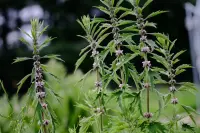
Install slender stakes early, when stems are 15–20 cm tall, and loosely tie them with soft ties so the tall flower spikes stay upright and do not snap in wind or heavy rain.

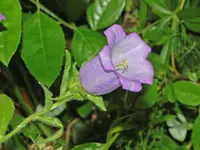
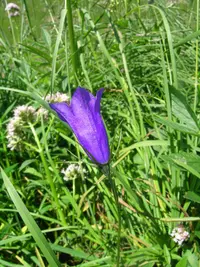
Canterbury bells, Campanula medium, is a cool-season biennial often grown as a showy flowering bedding or cottage-garden plant. It is valued for its tall spires of bell-shaped blooms in blue, purple, pink, or white.
Plants usually form a low rosette of foliage in the first year, then send up flowering stems in the second year before setting seed. This growth pattern makes planning and replacement important if continuous display is desired.
Native to southern Europe, it prefers mild climates, well-drained soil, and consistent moisture. With suitable light and protection from extremes, it is moderately easy to grow and care for Canterbury bells in home gardens.

Care Difficulty
Moderate Care

Light Preference
Partial Sun

Water Requirements
Regular Water

Temperature Preference
Cool Climate

Hardiness Zone
4–10

Soil Texture
Loamy, Sandy, Organic-rich

Soil pH
Acidic (5.5–6.5), Slightly acidic (6.5–7.0)

Soil Drainage
Moist but well-drained

Fertilization
Light (every 4–6 weeks)
Scan your plant to receive care tips personalized for your specific plant
Available on iOS and Android
This species prefers bright conditions with some protection from intense midday sun.
This plant prefers steady moisture in well-drained soil, without staying soggy.
This biennial tolerates cool conditions but grows and flowers best in mild temperatures.
This species manages well in typical indoor humidity if extremes are avoided.
This biennial prefers loose, well-aerated, consistently moist but not waterlogged soil.
This species is well suited to container growing outdoors for seasonal displays.
Campanula medium benefits from modest feeding during its active growing and flowering period.
Campanula medium responds well to light, timely pruning that supports strong flowering and tidy growth.
Campanula medium is usually grown as a bedding or border plant, so transplanting in the garden is more common than repotting.
Campanula medium is most often propagated from seed, with division used less frequently.
Campanula medium is reasonably cold hardy in many temperate climates and usually needs only light winter care.

Plant Health Check
Not sure what's wrong with your plant? Check your plant's health inside the app.
Campanula medium is a true biennial, usually forming only a leaf rosette in its first year and producing flowering stems, seed, and then dying in its second year, although it can behave as a short‑lived perennial in mild climates or if deadheaded carefully.
This species naturally has open bell-shaped flowers, but long cultivation has produced double and cup-and-saucer forms, where an enlarged calyx forms a decorative “saucer” under the bell, a trait not typical for most other Campanula species.
Canterbury bells were widely grown in European cottage gardens by the 16th–17th centuries, valued for their tall spires and clear blue, white, or pink flowers that fit well into traditional mixed borders and cut-flower plantings.

Campanula medium is considered naturalized in parts of North America, where it has escaped from gardens and now persists in some roadside and meadow habitats without generally becoming an aggressive invasive species.
Flowering may fail if the plant is in its first year, lacks winter chill, or is overcrowded. Poor nutrition, excess nitrogen fertilizer, deep shade, or drought stress also reduce bud formation and flower size when growing Canterbury bells.
Keep your plants happy and healthy with plant identification, disease detection, and easy care guidance.