Scheuchzer's bellflower Care (Campanula scheuchzeri)

Scheuchzer's bellflower

About Scheuchzer's bellflower

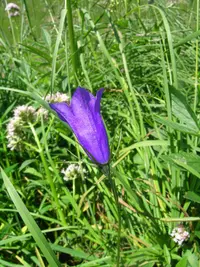
Scheuchzer's bellflower (Campanula scheuchzeri) is a low, clump-forming perennial known for its slender stems and nodding, bell-shaped blue flowers. It often creates colorful patches in rock crevices and alpine meadows.

This species is native to mountainous regions of central and southern Europe, where it grows in cool, well-drained, often rocky soils. In gardens, it is valued for its compact habit and long flowering period.

The plant is generally considered moderate in difficulty because it dislikes heat, waterlogging, and very rich soils. Gardeners who understand how to care for Scheuchzer's bellflower usually succeed by mimicking its cool, bright, and well-drained natural habitat.

Main Plant Requirements

Care Difficulty

Moderate Care

Light Preference

Full Sun

Water Requirements

Moderate Water

Temperature Preference

Cold Hardy

Hardiness Zone

4–7

Soil Texture

Loamy, Rocky, Sandy

Soil pH

Acidic (5.5–6.5), Slightly acidic (6.5–7.0)

Soil Drainage

Well-drained

Fertilization

Minimal (feed rarely)

Get Personalized Care Plan

Scan your plant to receive care tips personalized for your specific plant

Available on iOS and Android

How to Care for the Scheuchzer's bellflower

This alpine perennial prefers bright conditions with protection from harsh midday sun.

  • Provide 4–6 hours of direct morning sun with light afternoon shade, especially in hotter regions, where Scheuchzer's bellflower benefits from dappled light after 12 p.m.
  • In cooler or coastal climates, it can tolerate full sun if soil stays evenly moist and roots are insulated with mulch.
  • Watch leaves for stress: pale, scorched, or crispy edges indicate too much intense sun, while weak, leggy growth signals insufficient light.

This species prefers consistently moist but never waterlogged soil, especially during active growth.

  • Allow the top 2–3 cm of soil to dry slightly before deep watering, aiming for moisture that reaches the root zone rather than frequent light splashes.
  • In spring and early summer, when Campanula scheuchzeri is actively growing and flowering, increase watering as rainfall and temperature demand, then reduce as growth slows in late summer–fall.
  • Use sharply drained, gritty soil and watch for signs of excess moisture such as yellowing, soft stems, or a sour smell, and for curl or wilt as early indicators of drought stress.

This hardy alpine bellflower copes well with cool conditions but dislikes extreme heat and sudden thaws.

  • Optimal growth occurs around 55–70°F (13–21°C), typical of cool summers, where plants stay compact and flower well.
  • Dormant crowns tolerate winter lows near 0°F (−18°C) when soils drain freely; prolonged wet freezing conditions increase rot risk.
  • In hot climates, protect from temperatures above 80–85°F (27–29°C) with afternoon shade and mulch, which help keep roots cool and reduce heat stress.

This alpine bellflower prefers relatively cool, moderately moist air and usually adapts well indoors.

  • Aim for 40–60% humidity; typical home levels suit Scheuchzer's bellflower if soil moisture is consistent.
  • Leaves curling, crisp margins, or stalled buds indicate air that is too dry or inconsistent watering.
  • Group pots, place trays with water and pebbles nearby, or use a small humidifier rather than misting leaves directly.

Campanula scheuchzeri grows best in loose, well-drained, humus-rich soil that stays evenly moist but not soggy.

  • Use a mix of roughly 50% loam-based potting soil, 30% compost, and 20% coarse sand or fine grit for drainage.
  • Aim for slightly acidic to neutral pH, around 6.0–7.0, which supports nutrient uptake and steady growth.
  • In heavy or clay soils, raise the planting area and incorporate coarse sand or grit to create fast-draining structure around the roots.
  • Avoid dense, waterlogged, or peat-only mixes, which encourage root rot and winter losses, especially in cool, wet climates.

This species is well suited to container culture on patios, rock gardens, and balconies.

  • Choose a broad, shallow container to accommodate its spreading root system and prevent the crown from sitting in a deep, wet zone.
  • Use a mineral-rich, gritty mix in containers so water drains within a few minutes after thorough watering, reducing root rot risk.
  • Opt for a heavier material like terracotta or stone to stabilize the pot against wind and the plant’s outward, trailing growth.

Campanula scheuchzeri benefits from light feeding rather than heavy fertilization.

  • Use a balanced liquid fertilizer (e.g., 10-10-10) at 1/2 strength every 4–6 weeks during spring and summer.
  • Alternatively, mix a small amount of slow-release balanced granules into the soil at the start of the growing season.
  • In richer garden soil, a thin top-dressing of compost in spring is usually sufficient.
  • Stop feeding in fall and winter to avoid soft, frost-tender growth.

Pruning is helpful to maintain compact growth and prolonged flowering in Campanula scheuchzeri.

  • Deadhead spent blooms through the flowering season using clean scissors or hand pruners to encourage new buds.
  • In late summer or early fall, trim back straggly or leggy stems to neaten the mound and promote denser growth.
  • Remove any dead, damaged, or diseased stems at ground level as soon as noticed.
  • After flowering peaks, a light shear over the plant can refresh foliage and stimulate a lighter rebloom.

This species is usually grown in rock gardens or borders, so focus on careful outdoor transplanting rather than frequent repotting.

  • Transplant in early spring or early fall when temperatures are mild and soil is moist but not waterlogged.
  • Move plants when growth slows, clumps become crowded, or roots circle a container drainage hole.
  • Lift the clump gently, keep as much soil around the roots as possible, and replant at the same depth in well-drained soil.
  • Water thoroughly after transplanting, then keep soil lightly moist for 1–2 weeks to reduce root stress and support re-establishment.

Campanula scheuchzeri is commonly propagated by seed or by division of established clumps.

  • Sow fresh seeds in late winter or early spring on the surface of well-drained mix; keep at 60–68°F with bright, indirect light.
  • Do not cover seeds heavily; a light press into the surface and consistent moisture improve germination.
  • Divide mature clumps in early spring, cutting sections with several shoots and healthy roots.
  • Replant divisions promptly, water well, and shade lightly for a few days to help rooting and reduce transplant shock.

This alpine bellflower is generally cold hardy, so most in-ground plants need minimal winter care.

  • In colder regions, apply a 3–5 cm layer of mulch around the root zone after the ground cools to reduce freeze-thaw heaving.
  • Allow foliage to die back naturally; remove mushy or diseased parts to limit rot.
  • Container plants in very cold climates can be moved to a sheltered, frost-free but cool spot for winter.

Care Tips

Alpine-style drainage

If planting in the ground, mix in coarse grit or small gravel in the top 5–8 cm of soil around the crown to mimic alpine scree and prevent winter wet around the roots.

Rock crevice positioning

Tuck plants into narrow crevices between stones or along the edge of a rock border so roots stay cool and shaded while foliage and flowers receive good light exposure.

Snow and ice management

In cold climates, brush off heavy wet snow or ice from plants growing in rock gardens or troughs to prevent stems from snapping and crowns from rotting under compacted slush.

Post-flush shearing

After the main flowering flush, lightly shear back spent stems by 2–3 cm to promote a denser cushion and encourage a smaller repeat bloom later in the season while caring for Scheuchzer's bellflower.

Container root renewal

For container-grown plants, lift and divide congested clumps every 2–3 years, trimming away woody centers and replanting only the young outer sections to maintain vigor and compact growth.

Common Pests and Diseases

Powdery mildew

This disease often appears in humid, stagnant air conditions on dense clumps of foliage. Symptoms include white, powdery patches on leaves and stems that can cause distortion and reduced flowering.

Solution

Remove and discard heavily affected leaves to reduce spore load, then thin surrounding vegetation to improve airflow around the plant. Avoid overhead watering, water at soil level in the morning, and if needed apply a sulfur or potassium bicarbonate fungicide labeled for ornamentals according to label directions.

Leaf spot

This disease causes small brown, tan, or purple spots on leaves, sometimes with yellow halos, which can merge and lead to premature leaf drop. It is favored by cool, wet conditions common in alpine-style plantings where this species is grown.

Solution

Prune and dispose of affected foliage and any dense, matted growth to reduce moisture retention. Water early in the day, keep leaves as dry as possible, and if spotting continues use a copper-based or chlorothalonil fungicide labeled for ornamental perennials, following the recommended spray intervals.

Aphids

These insects cluster on young stems, buds, and the underside of leaves, sucking sap and causing curling foliage and sticky honeydew deposits. This pest can reduce flower quality and encourage sooty mold growth on Scheuchzer’s bellflower clumps.

Solution

Dislodge colonies with a strong stream of water, then introduce or encourage natural predators such as lady beetles where possible. For persistent infestations, use insecticidal soap or a light horticultural oil, coating the undersides of leaves and repeating at 5–7 day intervals as needed.

Slugs and snails

These pests are drawn to the low, tufted growth and moist soils often used when growing Scheuchzer's bellflower, leaving irregular holes and shredded edges on foliage and young flower stems. Symptoms include slime trails on or near the plants, especially after wet weather or overhead irrigation.

Solution

Hand-pick slugs and snails in the evening, use beer traps or boards as simple lures, and reduce hiding spots such as dense debris around the crown. In high-pressure situations, place iron phosphate slug pellets around but not on the plant according to label instructions, and avoid overwatering.

Botrytis blight

This disease thrives in cool, damp weather and dense plantings, causing soft, water-soaked patches on leaves, stems, and flowers that quickly develop gray, fuzzy mold. Symptoms include collapsed flower stalks and rotting petals, especially in poorly ventilated rock gardens or containers.

Solution

Promptly remove and discard all affected plant parts and any fallen debris around the crown, then improve air circulation by spacing or lightly thinning neighboring plants. Water early in the day at soil level, and in severe or recurring cases apply a botrytis-targeted fungicide labeled for ornamental perennials during extended wet periods.

Interesting Facts

Alpine scree specialist

This bellflower is naturally adapted to loose, stony alpine scree and rocky slopes in the Alps and Carpathians, anchoring itself in narrow crevices where many other herbaceous plants cannot survive.

High-altitude flowering window

In its native range it typically flowers in a short summer window between June and August, timed to the brief snow-free period at elevations that often exceed 1,500 m.

Nodding bell adaptation

The downward-facing, deep blue-violet bells help protect pollen from rain and cold mountain winds, while still allowing access to pollinating insects such as bees and small flies.

Botan icon

Did you know?

The species was named in honor of the early 18th-century Swiss naturalist Johann Jakob Scheuchzer, who documented many alpine plants while studying high-mountain environments long before modern alpine botany was established.

FAQs about Scheuchzer's bellflower

This species forms small clumps and can gently self-seed, but it is not usually aggressive. In garden settings it tends to stay where planted, slowly forming loose mats rather than taking over beds.

Grow Healthy Plants with Botan Care

Keep your plants happy and healthy with plant identification, disease detection, and easy care guidance.

Botan plant care app — identify plants on mobile

Explore More Plants