hooded pitcherplant Care (Sarracenia minor)

hooded pitcherplant

About hooded pitcherplant

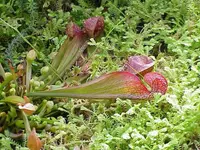
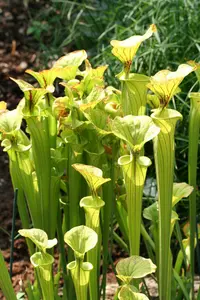
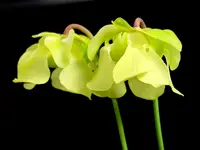
The hooded pitcherplant, Sarracenia minor, is a small, carnivorous bog plant native to the coastal plain of the southeastern United States. It forms upright tubular leaves that trap insects. These pitchers are slender, with a curved hood and pale translucent spots near the top that help lure prey inside. Plants often grow in clumps, slowly expanding over time. In cultivation, it prefers consistently moist, acidic, nutrient-poor media and clean, low-mineral water. It thrives in strong light and distinct seasons, which means outdoor culture is usually easier than indoor setups. Understanding how to care for hooded pitcherplant starts with mimicking its sunny, wet, low-nutrient habitat.

Main Plant Requirements

Care Difficulty

Moderate Care

Light Preference

Full Sun

Water Requirements

Aquatic

Temperature Preference

Cold Hardy

Hardiness Zone

7–9

Soil Texture

Sandy, Peaty, Organic-rich

Soil pH

Strongly acidic (4.5–5.5)

Soil Drainage

Waterlogged tolerant

Fertilization

Minimal (feed rarely)

Get Personalized Care Plan

Scan your plant to receive care tips personalized for your specific plant

Available on iOS and Android

How to Care for the hooded pitcherplant

This species needs strong, direct light to form sturdy, well-colored pitchers.

  • Provide 6–8 hours of direct sun daily; full morning and early afternoon sun are ideal in most outdoor settings.
  • Tolerates light afternoon shade in hotter regions, but deep shade leads to floppy growth, green pitchers, and reduced insect capture.
  • When caring for hooded pitcherplant in cooler months, site it where it still receives low-angle sun, avoiding heavy winter shade from buildings or trees.

This bog species needs constant moisture, never drying out completely.

  • Keep the root zone consistently wet; soil should feel saturated, not just damp, and never allow the top layer to turn dusty or crumbly.
  • Use low-mineral water and maintain plants in standing water about 2–5 cm deep during active growth to mimic natural bog conditions and prevent drought stress.
  • Reduce water depth in winter dormancy so the soil stays wet but not submerged, watching for rot signs such as black, mushy rhizomes if conditions stay too stagnant.

This species prefers warm summers with a cool winter dormancy period.

  • Aim for 70–85°F (21–29°C) during active growth; short spikes to 90°F (32°C) are tolerated if roots stay wet and the site is not enclosed or airless.
  • In winter, allow a cool rest at 35–50°F (2–10°C); natural outdoor chills in this range support healthy dormancy.
  • Mature plants tolerate brief light frosts down to about 25°F (−4°C), but prolonged freezes below this can damage rhizomes without insulation such as mulch or snow cover.

This species prefers consistently moist air but adapts to typical outdoor humidity in many regions.

  • Aim for 50–70% humidity to support steady pitcher formation and prevent drying of the hooded pitcherplant traps.
  • It tolerates brief dips to around 40% if the soil stays wet, but prolonged dry air can cause brown, crispy pitcher edges.
  • If air is very dry, group plants over a water tray or near a bog garden to raise local humidity without misting the pitchers.

This bog carnivorous plant needs nutrient-poor, acidic, permanently moist substrate with high aeration.

  • Use a mix of 50–70% sphagnum peat moss with 30–50% coarse silica sand or perlite to mimic natural sandy peat bogs for Sarracenia minor.
  • Keep the soil structure loose and airy so water drains slowly yet prevents stagnant, foul-smelling conditions that damage roots and rhizomes.
  • Maintain soil pH around 4.0–5.5; never add compost, manure, standard potting mix, or fertilizers, which burn the roots.
  • Rinse sand or perlite before use and water only with rainwater, distilled, or reverse-osmosis water to avoid mineral buildup in the substrate.

This species is well suited to container growing when pot choice supports its tall, moisture-loving growth habit.

  • Select a tall pot at least 20–25 cm deep to give the rhizome and downward-growing roots enough cool, stable space.
  • Choose plastic over unglazed clay so the medium stays wet longer and does not accumulate dissolved minerals from tap water.
  • Place the pot in a deep saucer or tray of water for the tray method, but raise the pot slightly so drainage holes are not pressed flat against the tray bottom.

This carnivorous species gains most nutrients from captured insects, so fertilizer use must stay minimal and carefully controlled for proper Sarracenia minor care.

  • Skip standard houseplant fertilizers; use at most a very weak (1⁄4-strength) urea-free balanced NPK, if any, during active growth.
  • Apply diluted fertilizer no more than 1–2 times per month in spring–summer, and never pour it into the pitchers.
  • Feed only into the soil of pure sphagnum or peat-based mix, then flush with rainwater or distilled water to avoid salt buildup.
  • Stop all feeding in fall–winter dormancy; the hooded pitcherplant rests and excess nutrients may damage roots.

Pruning Sarracenia minor focuses on removing old or damaged pitchers to maintain vigor and airflow around the crown.

  • Best time is late winter to very early spring, just before new growth emerges strongly.
  • Cut brown, mushy, or torn pitchers at the base with clean, sharp scissors or pruners to reduce disease risk.
  • Thin out severely crowded, shading pitchers to improve light penetration and overall plant shape.
  • Disinfect tools between plants with alcohol to limit fungal and bacterial spread.

Container-grown Sarracenia minor benefits from periodic repotting to maintain an open, low-nutrient substrate and healthy roots.

  • Plan repotting every 2–3 years or when roots circle the pot, growth slows, or the peat mix compacts heavily.
  • Repot in late winter to early spring, just before strong new growth, to reduce stress and allow fast recovery.
  • Use a nutrient-poor mix such as 1:1 sphagnum peat:perlite or peat:sand, never standard potting soil or compost.
  • Water thoroughly with rainwater or distilled water after repotting, then keep the pot evenly wet and shaded for 3–5 days.

Sarracenia minor is most reliably propagated by division of mature rhizomes, with seed used mainly for patient growers and breeding.

  • Divide clumps in late winter–early spring, separating rhizome sections with at least 1–2 growth points and healthy roots.
  • Replant divisions into fresh peat-based carnivorous mix, keep evenly wet with low-mineral water, and provide bright light without intense midday sun.
  • For seeds, cold stratify in moist sphagnum or peat in a fridge for 4–6 weeks to break dormancy.
  • Sow stratified seed on the surface of wet, nutrient-poor medium under high light and 70–80°F, keeping constantly damp.

This species is cold hardy in much of its outdoor range but still benefits from thoughtful winter care, especially in containers.

  • Tolerates light frosts but prolonged temperatures below about 20°F can damage rhizomes, particularly in pots.
  • In zones with freezing winters, mulch outdoor plants with 5–7 cm of pine needles or straw over the root zone.
  • Move container plants to an unheated but frost-free space (garage, cold frame) that stays around 32–45°F for dormancy.
  • Allow pitchers to brown naturally; remove dead foliage late winter while leaving the crown undisturbed during the coldest period.

Care Tips

Winter dormancy management

Provide a cool winter rest at 35–50°F for 3–4 months, either outdoors in a sheltered spot or in an unheated garage, and reduce watering slightly so the medium stays just damp, not waterlogged, to prevent rhizome rot.

Use rainwater trays

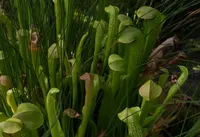
Stand pots in a shallow tray with 1–3 cm of rainwater or distilled water during the growing season, then let the tray dry for a day before refilling to mimic natural wet–dry cycles that keep roots healthy.

Right pot material

Grow plants in tall, light-colored plastic pots with drainage holes, as these insulate roots better than dark or clay containers and reduce overheating and mineral buildup in the root zone.

Support tall pitchers

In windy or exposed sites, group several pots together or place a low mesh ring around them so tall pitchers can lean on each other for support, which reduces snapping and bruising.

Seasonal pest checks

Inspect pitchers every 2–3 weeks in warm weather for aphids or scale on the outside walls and gently rinse with a strong water spray or use a carnivorous-plant-safe systemic only when needed as part of caring for hooded pitcherplant.

Common Pests and Diseases

Pitcher midges

These insects lay eggs inside the pitchers, and the larvae feed on trapped prey and pitcher tissue, weakening the plant and reducing its ability to digest insects. Symptoms include distorted or collapsing pitchers and reduced new growth vigor.

Solution

Remove and discard heavily infested pitchers and any blackened, mushy traps. Keep plants outdoors in good light to support strong growth, and if infestations persist, use a targeted application of a systemic insecticide labeled safe for carnivorous plants, applied only to the soil or rhizome area, never inside the pitchers.

Aphids

These insects cluster on new growth and flower stalks, sucking sap and causing puckered, twisted pitchers and sticky honeydew that can attract sooty mold. This pest commonly appears on plants grown in sheltered or indoor conditions with soft, tender growth.

Solution

Rinse aphids off with a strong but controlled stream of rainwater or distilled water, repeating every few days. For persistent colonies, apply an insecticidal soap or horticultural oil at a low rate in the early morning, avoiding direct sun until foliage dries, and do not spray directly into the pitcher tubes.

Botrytis blight

This disease is caused by the fungus Botrytis cinerea, which thrives in cool, damp, poorly ventilated conditions and on dead insect remains. Symptoms include gray fuzzy mold on pitchers, browning spots, and rapid collapse of affected traps.

Solution

Remove and discard all infected pitchers and dead material, including old insect carcasses inside traps if accessible. Improve airflow, reduce overcrowding, avoid overhead watering, and if conditions stay cool and humid, consider a preventive spray with a sulfur-based fungicide suitable for carnivorous plants, applied lightly around but not inside the pitchers.

Rhizome crown rot

This disease affects the rhizome at the soil line when the plant is kept too warm and wet with poor oxygen around the roots. Symptoms include sudden collapse of pitchers, a foul smell, and a soft, brown or black rhizome when inspected.

Solution

Unpot the plant, cut away all soft or discolored rhizome tissue with a sterile blade, and keep only firm, white or light-green sections. Repot into fresh, low-nutrient carnivorous plant mix, keep the pot in clean, low-mineral water with good light, and avoid burying the rhizome too deeply so air can reach the crown area.

Scale insects

These pests appear as small, dome-shaped or oval bumps on pitchers and rhizomes, feeding on sap and weakening the plant over time. Symptoms include yellowing or patchy discoloration on pitchers, stunted growth, and sticky residue.

Solution

Gently scrape or wipe off individual scale insects with a cotton swab dipped in isopropyl alcohol, taking care not to damage the thin pitcher walls. For heavier infestations, repeat mechanical removal over several weeks and, if necessary, use a systemic insecticide labeled for ornamental use, applied sparingly to the soil area according to Sarracenia minor care instructions.

Interesting Facts

Natural light windows

This species has translucent patches, called fenestrations, near the top of its pitchers that act like false windows, luring insects deeper into the tube and away from the exit.

Ant specialist trap

Field studies show that it captures large numbers of ants compared with many other pitcher plants, helped by its narrow, tall pitchers that create a smooth, inescapable surface once ants slip inside.

Coastal plain native

It is naturally restricted to nutrient-poor, acidic wetlands of the southeastern US Coastal Plain, especially in Georgia and Florida, where frequent fires maintain its open, sunny habitat.

Botan icon

Did you know?

Sarracenia minor has evolved to rely on rain and condensation, rather than large amounts of digestive fluid, so many pitchers are found only partly filled with liquid even when packed with prey, which reduces the risk of dilution and overflow in its often waterlogged habitat.

FAQs about hooded pitcherplant

Lack of flowering often comes from insufficient winter dormancy, low light, or a plant that is still immature. Outdoor exposure to cool winter temperatures and full sun in the growing season usually restores normal bloom production.

Grow Healthy Plants with Botan Care

Keep your plants happy and healthy with plant identification, disease detection, and easy care guidance.

Botan plant care app — identify plants on mobile

Explore More Plants