yellow trumpets Care (Sarracenia alata)

Also known as: Pale Pitcher Plant
yellow trumpets

About yellow trumpets

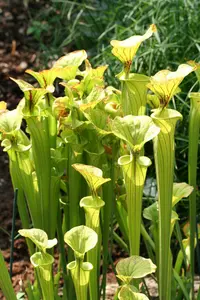
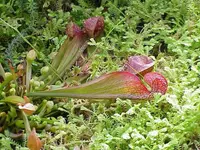
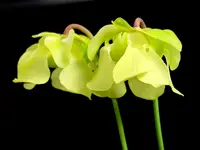
Yellow trumpets, Sarracenia alata, is a North American carnivorous plant that forms upright, tubular leaves which trap and digest insects. The tubes are usually green to yellow, often with fine red veining.

It naturally occurs in wet, open habitats such as bogs and wet savannas, mainly along the Gulf Coast. The plant grows in clumps and dies back in winter in colder regions, then regrows from its rhizomes in spring.

Its need for very wet, low-nutrient, acidic conditions and full sun makes it more demanding than typical houseplants. Understanding how to care for yellow trumpets starts with replicating its natural bog-like environment as closely as possible.

Main Plant Requirements

Care Difficulty

Hard Care

Light Preference

Full Sun

Water Requirements

Aquatic

Temperature Preference

Cold Hardy

Hardiness Zone

7–10

Soil Texture

Sandy, Peaty, Organic-rich

Soil pH

Strongly acidic (4.5–5.5)

Soil Drainage

Waterlogged tolerant

Fertilization

Minimal (feed rarely)

Get Personalized Care Plan

Scan your plant to receive care tips personalized for your specific plant

Available on iOS and Android

How to Care for the yellow trumpets

This species is a full-sun bog plant that needs strong light to form tall, colorful pitchers.

  • Provide 6–10 hours of direct sun daily; open, unshaded exposure suits yellow trumpets best in most US climates.
  • Accepts light afternoon shade in very hot areas, but too much shade causes floppy, green pitchers and reduced insect capture.
  • Outdoors, avoid placement against reflective surfaces that scorch tissue; in fall and winter, maximize sun by avoiding overhanging trees or buildings.

This carnivorous bog plant prefers constantly wet conditions rather than typical houseplant-style watering.

  • Use rainwater, distilled, or reverse-osmosis water; mineral-rich tap water can burn roots and deform pitchers.
  • Outdoors, keep soil saturated and never let the root zone dry; in containers, maintain 2–5 cm of water in a tray during active growth.
  • In cooler fall and winter dormancy, keep the medium moist but not submerged; signs of underwatering include limp, browning pitchers, while sour smell and black, mushy rhizomes suggest rot.

This species is adapted to warm summers with a cool winter dormancy period.

  • Active growth is strongest at 70–85°F (21–29°C); short hot spells up to 95°F (35°C) are tolerated if the root zone stays wet.
  • Dormant plants withstand light frosts and brief drops near 25°F (-4°C), but prolonged freezes below this can damage rhizomes without insulation or mulch.
  • Avoid placing plants where containers overheat above 95°F (35°C) in full sun; keeping roots shaded or standing pots in water moderates temperature swings.

This species prefers moderate to high humidity but adapts to many outdoor conditions.

  • Aim for 50–70% humidity, which most outdoor sites in its range naturally provide.
  • Pitcher tips browning and drying while soil stays moist often indicate air that is too dry or hot wind exposure.
  • In dry climates, group pots in water trays, shelter from drying winds, and use surrounding water features to raise local humidity.

This carnivorous bog plant needs nutrient-poor, acidic, constantly moist soil.

  • Use a mix such as 1:1 sphagnum peat moss and coarse silica sand or perlite to create a loose, fibrous texture.
  • Ensure the medium drains slowly yet stays evenly wet, avoiding standing water above the rhizome to prevent rot.
  • Keep pH roughly 4.0–5.5; avoid lime, fertilizers, compost, and regular potting mix, which harm Sarracenia alata roots.
  • Improve aeration by using chunky perlite or coarse sand, never fine builders’ sand or dense organic materials that compact quickly.

This species is well suited to container culture outdoors when moisture is kept consistent.

  • Choose a deep pot, at least 20–25 cm tall, so rhizomes and roots can expand without overheating or drying out near the surface.
  • Use light-colored plastic pots to reduce overheating and slow water loss, which helps maintain stable bog-like moisture.
  • Place the container in a heavy outer cachepot or tray to counterbalance tall pitchers and prevent wind from toppling the plant.

Sarracenia alata gains most nutrients from captured insects, so fertilizer use must be minimal and carefully controlled.

  • Avoid standard houseplant feeds; use only very weak (1/4-strength) balanced NPK if growth is poor and water quality is good.
  • Apply diluted fertilizer to the water tray, not directly into the pitchers, 1–2 times per month in mid-spring to late summer.
  • Do not use compost or slow-release fertilizers, which burn roots in this bog species adapted to nutrient-poor soils.
  • Stop all feeding in autumn and winter dormancy; maintain only clean, low-mineral water around the roots.

Pruning Sarracenia alata focuses on removing old growth to keep plants healthy and reduce disease.

  • In late winter or very early spring, cut off dead, brown pitchers at the base using clean, sharp scissors or pruning snips.
  • Remove damaged, moldy, or collapsed leaves whenever noticed to improve airflow and reduce fungal problems.
  • Thin out very crowded, leaning pitchers to let light reach younger growth and maintain an upright clump form.
  • Disinfect tools with alcohol between plants if any rot or disease is present to limit spread.

Container-grown yellow trumpets benefit from periodic repotting into fresh, nutrient-poor bog mix.

  • Repot every 2–3 years in late winter to early spring when new growth buds appear, before strong active growth.
  • Check for roots circling the pot, compacted peat, or declining vigor as signs the plant needs a larger container or fresh medium.
  • Use a mix of 1:1 sphagnum peat and perlite or sand, pre-moistened with low-mineral water, and avoid standard potting soil.
  • Gently tease apart the rhizome and roots, keep them shaded and moist during work, then water thoroughly to settle the medium and reduce stress.

Multiplying Sarracenia alata is most reliable by division, with seeds used mainly for breeding and genetic diversity.

  • Divide mature clumps in late winter or very early spring, separating rhizomes so each piece has several healthy growth points and roots.
  • Plant divisions into fresh carnivorous-plant mix, keep evenly moist with low-mineral water, and provide bright light without intense midday sun until established.
  • Sow fresh seeds on the surface of moist peat-based mix after 6–8 weeks of cold stratification at 35–45°F to break dormancy.
  • Maintain high humidity, bright indirect light, and steady moisture for seeds; expect slow germination and several years to reach flowering size.

This species needs a cool winter dormancy but tolerates only moderate frost, especially in containers.

  • Hardy roughly to about 15–20°F in the ground if the rhizome is well established and soil stays wet but not frozen solid.
  • Mulch outdoor clumps with 5–10 cm of pine needles or similar loose material to insulate the crown in colder regions.
  • Move container plants into an unheated garage, cold frame, or sheltered porch where temperatures stay around 35–50°F.
  • Keep the medium just damp, not waterlogged, during dormancy and resume higher water levels as growth restarts in spring.

Care Tips

Dormancy management

Provide a cool winter rest at 35–50°F for 3–4 months, either outdoors in a protected spot or in an unheated garage, and reduce water slightly so the rhizomes stay moist but not submerged to maintain long-term vigor.

Bog container setup

Use a wide, deep plastic pot or tub without drainage holes as a mini bog, fill it with peat and sand, then stand the container in a shallow tray of rainwater so the water level can be controlled precisely and roots can spread horizontally.

Safe water storage

Store collected rainwater in opaque food-grade containers out of the sun to prevent algal growth, and let it reach ambient temperature before use to avoid shocking roots on hot or cold days.

Pitcher hygiene

Remove only black, completely dried pitchers at the base with clean scissors, leaving any partially green or firm tissue intact so the plant can continue to photosynthesize and store energy.

Outdoor insect support

Place the plant near other low-growing flowering species that attract small insects but avoid overhead foliage that casts shade, which improves natural feeding without reducing the strong light needed for growing yellow trumpets.

Common Pests and Diseases

Pitcher aphids

This pest often colonizes pitcher rims and developing growth, sucking sap and weakening new leaves. Symptoms include distorted pitchers, sticky honeydew, and sooty mold growth on affected areas.

Solution

Rinse pitchers and crowns thoroughly with a strong but controlled stream of water, then treat remaining colonies with a fatty-acid or horticultural soap spray labeled safe for carnivorous plants, applied in the early morning. Remove heavily infested or deformed pitchers and keep plants in bright light with good air movement to reduce re-infestation as part of general Sarracenia alata care.

Spider mites

These insects prefer hot, dry conditions and feed on pitcher surfaces, leading to dull, stippled tissue and fine webbing along the tubes. Symptoms include slow decline, loss of color, and brittle, off‑color patches on older pitchers.

Solution

Increase humidity and air circulation, then hose down plants thoroughly, focusing on the undersides and seams of pitchers. Follow with a miticide or insecticidal soap safe for carnivorous plants, repeating treatments at 5–7 day intervals until no new damage appears.

Botrytis (gray mold)

This disease develops on old or damaged pitchers in cool, humid, stagnant air, causing soft brown lesions that quickly develop a gray, fuzzy mold. Symptoms include rapid collapse of affected pitchers and spread to nearby tissues if not removed.

Solution

Cut off and discard all infected pitchers and dead material, sterilizing pruning tools between cuts. Improve spacing and airflow, avoid overhead watering in cool weather, and if needed apply a sulfur-based or other low-toxicity fungicide suitable for bog plants during damp, cool periods.

Rhizome crown blight

This disease attacks the rhizome at or just above the soil line, leading to browning at the crown, foul odor, and sudden collapse of entire growth points. Symptoms include soft, discolored tissue at the rhizome and failure of new pitchers to emerge or inflate properly.

Solution

Unpot the plant and cut away all soft or discolored rhizome tissue back to firm, white tissue, then dust cuts with powdered sulfur or an appropriate fungicide. Replant divisions into fresh, clean carnivorous plant mix, keep constantly moist in low-mineral water, and avoid burying the rhizome too deeply to allow good air contact at the crown.

Leaf spot fungus

This disease causes small reddish, purple, or dark brown spots on pitchers that may merge into larger blotches, especially in crowded or poorly ventilated conditions. Symptoms include premature pitcher senescence and reduced vigor over the growing season.

Solution

Remove and discard heavily spotted pitchers and any fallen debris, then increase spacing and airflow around plants. During susceptible periods, use a preventative fungicide labeled for ornamental use on bog species and avoid prolonged leaf wetness, especially in cooler weather, while still maintaining wet soil conditions typical for growing yellow trumpets.

Interesting Facts

Narrow Coastal Range

This yellow trumpet species is naturally restricted to the Gulf Coast of the US, mainly in wet savannas and bogs from eastern Texas to western Alabama, making its native range much narrower than many other pitcher plants.

Trap Anatomy Details

Its tall, slender pitchers often exceed 60 cm in height and have a relatively small, inconspicuous hood, so rainwater can dilute digestive fluids and help create a water-filled pitfall for prey.

Genetic Mixing In The Wild

In areas where it grows alongside other Sarracenia species, it commonly forms natural hybrids, which has made accurate field identification and conservation genetics more complex.

Botan icon

Did you know?

Some populations of this species produce unusually dark red to almost black pitchers, and these localized color forms are of high interest to botanists studying natural variation and to conservationists trying to preserve distinct genetic lineages.

FAQs about yellow trumpets

This species performs best outdoors in full sun and consistently wet, low-nutrient conditions. Indoors, light and humidity are usually insufficient, so growth weakens over time. Use outdoor bog gardens, tubs, or pond margins for long‑term success.

Grow Healthy Plants with Botan Care

Keep your plants happy and healthy with plant identification, disease detection, and easy care guidance.

Botan plant care app — identify plants on mobile

Explore More Plants