nettle-leaf mullein Care (Verbascum chaixii)

Also known as: Nettle-leaved Mullein
nettle-leaf mullein

About nettle-leaf mullein

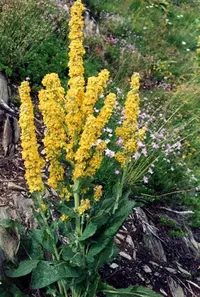
Nettle-leaf mullein (Verbascum chaixii) is a short-lived perennial grown mainly for its tall flower spikes and textured, softly hairy foliage. It forms a clumping rosette at the base, then sends up upright stems topped with many small, saucer-shaped flowers in yellow or white, often with purple stamens.

This species is native to parts of southern Europe and thrives in sunny, open, often rocky habitats. In gardens it is valued for its ability to handle poor, well-drained soils and relatively dry conditions, which makes it fairly low-maintenance once established.

Understanding how to care for nettle-leaf mullein mainly involves providing full sun, good drainage, and avoiding heavy, waterlogged soil.

Main Plant Requirements

Care Difficulty

Easy Care

Light Preference

Full Sun

Water Requirements

Low Water

Temperature Preference

Cold Hardy

Hardiness Zone

5–8

Soil Texture

Sandy, Loamy, Rocky

Soil pH

Slightly acidic (6.5–7.0), Slightly alkaline (7.0–7.5)

Soil Drainage

Well-drained

Fertilization

Minimal (feed rarely)

Get Personalized Care Plan

Scan your plant to receive care tips personalized for your specific plant

Available on iOS and Android

How to Care for the nettle-leaf mullein

Verbascum chaixii thrives in bright, open sites with plenty of direct sun.

  • Aim for 6–8 hours of direct sunlight per day; full sun promotes compact growth and abundant flowering.
  • Plant nettle-leaf mullein where it receives strong morning sun and can tolerate lighter afternoon shade, especially in hotter regions.
  • In very hot summers, slight afternoon shade reduces leaf scorch, while too much shade leads to floppy stems, fewer blooms, and pale foliage.

Verbascum chaixii prefers dry to moderately moist soil and is highly drought-tolerant once established.

  • Allow the top 5–7 cm of soil to dry before watering; soil should feel dry and loose rather than cool and damp.
  • During hot, dry periods, water deeply but infrequently, focusing on soaking the root zone instead of light surface sprinkling.
  • Reduce watering in cool seasons; yellowing, soft leaves and persistent wet soil suggest overwatering, while drooping, crisp foliage indicates underwatering.

This perennial handles a wide temperature range but grows best in moderate conditions.

  • Optimal growth occurs around 60–75°F (16–24°C), supporting steady foliage development and flowering.
  • Mature plants tolerate winter lows down to about 0–5°F (-18 to -15°C) with good drainage, though young rosettes benefit from mulch in colder zones.
  • In summer heat above 90°F (32°C), flowering may slow; ensure soil does not stay waterlogged, as heat plus excess moisture increases root stress.

Humidity is rarely critical for Verbascum chaixii, which prefers typical outdoor air conditions.

Verbascum chaixii prefers lean, well-drained mineral soils and resents waterlogged conditions.

  • Use sandy or gritty loam with 20–40% coarse sand or fine gravel to keep the root zone airy.
  • Aim for slightly alkaline to neutral pH, around 6.8–7.5, avoiding strongly acidic mixes.
  • Incorporate only a thin layer of compost; overly rich organic mixes encourage weak, floppy growth.
  • Avoid heavy clay or compacted soils; if unavoidable, raise the planting area and blend in grit to improve drainage.

This species can be grown in containers if the pot is set up to prevent root rot and tipping.

  • Choose a deep, heavy pot that balances the tall flower spikes and resists wind tipping.
  • Fill the container with a gritty mix, such as 50% standard potting mix and 50% coarse sand or small gravel, to speed drainage.
  • Elevate the pot on feet or bricks so water clears the drainage holes quickly after rain or watering.

This drought-tolerant perennial needs modest feeding, so focus on light, balanced nutrition for Verbascum chaixii.

  • Apply a balanced, slow-release fertilizer (around 10-10-10) once in early spring as new growth starts.
  • In lean soils, supplement with a thin layer of compost around the root zone, keeping it off the crown.
  • Use at half the label strength for container-grown nettle-leaf mullein to avoid excess salt buildup.
  • Stop feeding by late summer and do not fertilize in winter, when growth is slow or dormant.

Pruning supports tidy growth and sustained flowering for Verbascum chaixii in garden borders.

  • Cut spent flower spikes back to a low basal rosette in mid to late summer to encourage reblooming.
  • Remove dead, damaged, or diseased foliage whenever noticed using clean, sharp hand pruners or scissors.
  • Thin crowded rosettes lightly to improve airflow and reduce fungal problems, keeping the strongest plants.
  • At the end of the season, trim collapsed stems but leave low foliage where winters are cold.

This species is usually grown in the ground, so focus on careful transplanting rather than frequent repotting.

  • Transplant Verbascum chaixii in early spring or early fall, when temperatures are mild and soil is workable.
  • Move plants only when necessary, such as overcrowding or poor flowering, since taproots dislike disturbance.
  • If container-grown, repot every 2–3 years or when roots circle the pot and growth slows noticeably.
  • Reduce root stress by watering well before moving, transplanting at the same depth, and shading lightly for a week.

New Verbascum chaixii plants are most commonly raised from seed, with division used more selectively.

  • Sow fresh seeds in late summer or early spring on the surface of well-drained mix; light improves germination.
  • Maintain 60–70°F and even moisture until seedlings emerge, then provide strong light and good airflow.
  • Transplant young rosettes carefully once they have several true leaves, avoiding damage to the developing taproot.
  • Divide only young, not woody clumps in early spring, replanting pieces promptly into prepared, drained soil.

Mature plants are fairly cold hardy and usually need only light winter care in most temperate climates.

  • Verbascum chaixii tolerates typical frosts, but young plants benefit from extra protection in their first winter.
  • Apply a 5–8 cm layer of dry mulch around, not on, the crown to insulate the root zone in colder areas.
  • In very wet winters, ensure sharp drainage or slightly raised planting to limit crown rot risk.
  • Move container-grown plants to a sheltered, unheated porch or cold frame to reduce freeze–thaw stress.

Care Tips

Staggered Deadheading

Remove only the spent central flowering spikes first and leave side spikes for a week or two, which extends the overall bloom period and provides more nectar for pollinators.

Self‑Sowing Management

If you want controlled reseeding, let only a few of the strongest plants set seed and cut the rest of the spent spikes before seeds mature to prevent overcrowding in the bed.

Support In Windy Sites

In exposed gardens, insert discreet bamboo canes on the windy side and loosely tie taller flowering stems, which reduces wind rock and prevents lodging during storms.

Winter Crown Protection

In colder regions, apply a light, dry mulch such as straw or shredded bark around but not on top of the crown in late fall to reduce freeze–thaw stress and crown rot risk.

Rotate Planting Spots

When growing nettle-leaf mullein in mixed borders, shift new seedlings to a slightly different spot every 3–4 years to reduce soil‑borne disease buildup and maintain vigor.

Common Pests and Diseases

Powdery mildew

This disease causes a white or gray powdery coating on leaves, especially in warm, dry conditions with poor air movement. Symptoms include distorted foliage and reduced flowering if infections are heavy.

Solution

Remove and dispose of heavily infected leaves, avoid overhead watering, and space plants to improve airflow. In persistent cases, apply a sulfur or potassium bicarbonate-based fungicide labeled for ornamentals at the first sign of infection and keep the base of the plant relatively dry.

Leaf spot

This disease produces small brown, tan, or black spots on leaves that may merge into larger patches, often appearing after periods of wet weather. Symptoms include premature yellowing and dropping of lower leaves on established clumps.

Solution

Trim off and discard affected leaves, keep foliage as dry as possible by watering at soil level, and clear fallen debris around the plant. In severe or recurring cases, use a copper or chlorothalonil-based fungicide according to label directions to protect new growth.

Aphids

These insects cluster on stems and flower spikes, sucking sap and excreting sticky honeydew that can attract sooty mold. This pest can cause distorted new growth and reduced flower quality on Verbascum chaixii.

Solution

Spray colonies off with a strong stream of water and pinch off heavily infested tips. For ongoing problems, introduce or encourage natural predators such as lady beetles and apply insecticidal soap or a light horticultural oil, making sure to coat the undersides of leaves and young stems.

Capsid bugs

These insects feed by piercing young leaves and stems, leaving pale speckling, small holes, or distorted patches that spoil the appearance of foliage and flower spikes. Symptoms include corky or ragged areas on leaves where feeding has occurred.

Solution

Inspect plants regularly in late spring and early summer and remove affected shoot tips where damage is concentrated. Encourage natural predators, avoid nearby lush weeds that shelter capsids, and, if needed, use a contact insecticide labeled for capsid control on ornamentals, targeting young nymphs early in the season.

Slugs and snails

These pests chew irregular holes in basal leaves, especially on young rosettes in damp conditions, and may leave slime trails on or around the plant. Symptoms include ragged foliage that can weaken plants before they reach flowering size.

Solution

Hand-pick slugs and snails at night or in the early morning and remove hiding places such as dense debris near the crown. Use iron phosphate slug pellets, beer traps, or copper barriers around young plants, and keep the area around the clump slightly drier to make conditions less favorable.

Interesting Facts

Bi-colored flower spikes

This species naturally produces tall spikes of pale yellow flowers with contrasting purple to maroon stamens, a color combination that is unusual among European mulleins and helps distinguish it in the field.

Native Balkan origins

It is native to the Balkans and parts of southeastern Europe, where it grows on rocky slopes and dry grasslands, showing a strong adaptation to calcareous, well-drained soils.

Short-lived perennial habit

Unlike many biennial mulleins, this plant is typically a short-lived perennial that can flower for several seasons when conditions are suitable, especially if older stems are cut back after flowering.

Botan icon

Did you know?

Genetic and morphological studies place this species within a small, closely related group of southern European mulleins, and its distinctive purple-anthered flowers have made it a useful reference taxon in research on floral color pattern evolution in the genus Verbascum.

FAQs about nettle-leaf mullein

Poor flowering usually comes from too little sun, overly rich or wet soil, or heavy competition from nearby plants. Avoid high-nitrogen fertilizer, keep soil free-draining, and deadhead old flower spikes to encourage further bud formation.

Grow Healthy Plants with Botan Care

Keep your plants happy and healthy with plant identification, disease detection, and easy care guidance.

Botan plant care app — identify plants on mobile

Explore More Plants