woodyfruit evening primrose Care (Oenothera xylocarpa)

Also known as: Woody-fruited Evening Primose, Sierra evening primrose
woodyfruit evening primrose

About woodyfruit evening primrose

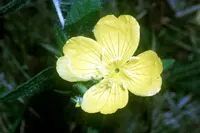
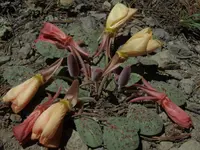
Woodyfruit evening primrose (Oenothera xylocarpa) is a low, clump-forming perennial herb native to dry, open habitats of the western United States. It typically grows close to the ground with gray-green, hairy leaves and showy, pale yellow flowers that open wide and then age to deeper tones.

Its name refers to the woody, elongated seed capsules that form after flowering and give the plant a distinctive look. The species is adapted to lean, well-drained soils and tolerates drought once established.

These traits make it suitable for rock gardens and xeriscapes, though seedlings and young plants need careful watering until roots are deep. Understanding how to care for woodyfruit evening primrose starts with providing sun, drainage, and avoiding heavy, wet soils.

Main Plant Requirements

Care Difficulty

Easy Care

Light Preference

Full Sun

Water Requirements

Low Water

Temperature Preference

Cold Hardy

Hardiness Zone

4–8

Soil Texture

Sandy, Loamy, Rocky

Soil pH

Slightly acidic (6.5–7.0), Neutral (7.0)

Soil Drainage

Well-drained

Fertilization

Minimal (feed rarely)

Get Personalized Care Plan

Scan your plant to receive care tips personalized for your specific plant

Available on iOS and Android

How to Care for the woodyfruit evening primrose

This drought-tolerant perennial prefers strong sun but adapts to open, bright sites.

  • Provide 6–8 hours of direct sun daily; full sun supports compact growth and abundant flowers on woodyfruit evening primrose.
  • Accepts light afternoon shade in hotter regions, especially with reflected heat from walls or paving, but flowering may decrease slightly.
  • Avoid dense shade, which causes leggy, weak stems; in short-day seasons, choose the sunniest, south- or west-facing position available.

This species prefers dry, fast-draining conditions and is sensitive to excess moisture.

  • Allow the top 5–7 cm of soil to dry completely before watering; in many dry climates, natural rainfall is enough once plants are established.
  • Use sharply drained, sandy or gravelly soil so water moves through quickly; standing water or heavy clay greatly increases root rot risk in Oenothera xylocarpa.
  • In hot, dry periods, watch for limp, dull foliage as a sign to water; yellowing, mushy stems or a sour soil smell indicate overwatering.

This hardy perennial tolerates a wide temperature range typical of dry, continental climates.

  • Optimal active growth occurs around 65–80°F (18–27°C); flowering and foliage quality are best under warm, dry conditions with good air flow.
  • Established plants usually survive down to about 0°F (−18°C) with good drainage; prolonged freeze in waterlogged soil increases crown and root damage.
  • In summer, it handles heat up to 95–100°F (35–38°C) if soil is not saturated; avoid siting next to heat-reflecting surfaces that push temperatures higher.

Humidity is rarely a concern for Oenothera xylocarpa grown in typical home or outdoor conditions.

Oenothera xylocarpa prefers lean, very well-drained, mineral soils that do not stay wet.

  • Use sandy or gravelly loam with low organic matter to mimic its native dry habitats.
  • Aim for slightly acidic to neutral pH, around 6.0–7.0, avoiding strongly acidic or alkaline mixes.
  • Combine 2 parts coarse sand or grit with 1 part loam and 1 part fine gravel for strong aeration and rapid drainage.
  • Avoid dense clay, peat-heavy, or water-retentive potting mixes that keep roots damp for long periods.

This species can be grown in containers if drainage is managed carefully.

  • Choose a wide, shallow container to accommodate its spreading habit and reduce the risk of water-logged lower layers.
  • Use a gritty mix with a high proportion of coarse sand or small gravel so water exits the pot quickly.
  • Select unglazed terracotta to allow evaporation through the pot walls and keep the root zone drier between waterings.

This drought-tolerant perennial needs only light feeding in average garden soil, as woodyfruit evening primrose is adapted to lean conditions.

  • In poor or very sandy soils, mix a thin layer of mature compost into the top 5–8 cm in early spring.
  • Optionally use a low-dose, balanced slow-release fertilizer (around 10-10-10) once at the start of the growing season.
  • Dilute liquid feeds to 1/2–1/4 strength and apply only if growth appears weak or foliage pale.
  • Stop all fertilizing in late summer to avoid soft growth going into winter dormancy.

Pruning Oenothera xylocarpa is mainly done to keep plants tidy and encourage flowering rather than to control size.

  • In late winter or very early spring, cut back old, dead, or winter-damaged stems to just above healthy growth.
  • Deadhead spent flower stalks during the growing season to extend blooming and reduce unwanted self-seeding.
  • Thin crowded or crossing stems with clean hand pruners to improve air flow and reduce disease risk.
  • Disinfect blades before and after use to limit pathogen spread between plants.

This species is usually grown in the ground, so focus on careful transplanting rather than frequent repotting.

  • Transplant in early spring or early fall, avoiding hot, dry periods to limit transplant shock.
  • Move plants only when necessary, such as overcrowding or poor drainage, since mature roots dislike disturbance.
  • Dig a wide, shallow hole, lifting as much of the root system and surrounding soil as possible to preserve fine roots.
  • Water thoroughly after transplanting, then keep soil lightly moist (not waterlogged) until new growth shows established roots.

Oenothera xylocarpa is most commonly propagated by seed, with some potential for careful division of established clumps.

  • Collect ripe, dry seed capsules and sow seeds in late fall or early spring on well-drained, gritty soil.
  • Lightly press seeds into the surface; they need light exposure, so do not bury deeply.
  • Maintain cool to mild temperatures and even, light moisture until germination occurs.
  • For division, split small, healthy clumps in early spring, keeping root sections intact and replanting immediately.

This perennial is generally cold hardy in much of its range and needs minimal winter care in the ground.

  • Once frost blackens top growth, allow stems to die back naturally, then cut them close to the base.
  • Apply a light mulch layer (2–5 cm) of gravel or coarse organic material to protect the crown while keeping drainage sharp.
  • Container-grown plants in colder regions benefit from moving to a cold, bright, frost-free spot to prevent root freeze.

Care Tips

Gravel Collar Mulch

Apply a 2–3 cm collar of coarse gravel or grit around the crown to keep the stem base dry, reduce rot risk, and discourage slugs that may chew new rosettes.

Targeted Deadheading

Remove spent flowers promptly but leave some of the most robust seed capsules to mature if self-sown seedlings are desired for renewal of the clump.

Winter Drainage Check

Before winter rain, confirm that the planting spot sheds water quickly and, if needed, slightly raise the plant on a small gravel mound to prevent crown and root rot.

Low-Competition Zone

Keep a 15–20 cm weed-free zone around the rosette so shallow feeder roots do not have to compete with turf or aggressive groundcovers.

Rock-Crevice Positioning

Tuck plants into shallow rock crevices or among stones to stabilize the crown, moderate soil temperature swings, and mimic the plant’s natural rocky habitat for better long-term vigor when growing woodyfruit evening primrose.

Common Pests and Diseases

Flea beetles

These insects chew many small round holes in leaves, giving foliage a shot‑hole or lace-like appearance and sometimes stunting new growth.

Solution

Reduce nearby weeds that host beetles, especially in dry, sandy sites, and protect young plants with floating row covers until they establish. For heavier infestations, use targeted treatments such as neem oil or spinosad applied in the evening, ensuring good coverage of leaf surfaces without spraying open flowers to protect pollinators.

Spider mites

This pest thrives in hot, dry conditions and causes fine stippling, dull foliage, and delicate webbing on stems and leaf undersides.

Solution

Increase humidity around plants slightly and hose down foliage with a firm but gentle spray to dislodge mites, focusing on the undersides of leaves. If populations remain high, apply insecticidal soap or a light horticultural oil at labeled rates, repeating at 5–7 day intervals while monitoring for beneficial insects.

Aphids

These insects cluster on tender stems and buds, sucking sap and causing curling leaves, distorted flower stalks, and sticky honeydew that can attract sooty mold.

Solution

Pinch or rinse off infested tips with a strong stream of water and encourage natural predators such as lady beetles by avoiding broad-spectrum insecticides. For persistent colonies, use insecticidal soap or neem oil, coating stems and the undersides of leaves and repeating as needed according to label directions.

Leaf spot

This disease produces small brown to gray spots on leaves, sometimes with a darker margin, leading to premature yellowing and drop in humid or poorly ventilated sites.

Solution

Remove and discard affected leaves and plant debris to reduce fungal spores, and avoid overhead watering so foliage dries quickly. Improve spacing and airflow around clumps, and in recurrent cases use a labeled ornamental fungicide early in the season, rotating products to limit resistance.

Powdery mildew

This disease appears as white, powdery patches on leaves and stems, which can cause leaf distortion and reduced vigor during extended warm, dry periods with cool nights.

Solution

Increase air circulation by thinning overcrowded stems and keeping surrounding vegetation trimmed, and water at soil level rather than on foliage. At first sign of infection, apply a sulfur or potassium bicarbonate-based fungicide labeled for ornamentals, repeating at 7–14 day intervals during favorable conditions and removing heavily infected leaves.

Interesting Facts

Granite scree specialist

This evening primrose is naturally restricted to high-elevation granite talus and scree slopes in the Sierra Nevada, where its deep, woody rootstock helps anchor it in loose, shifting rock.

Woody, persistent fruits

The species name xylocarpa refers to its distinctive hard, woody seed capsules that persist on the plant long after flowering, a feature that helps differentiate it from many other evening primroses.

Night-opening flowers

Its pale, bowl-shaped flowers open in the evening and are primarily visited by nocturnal moths, an adaptation that fits the typical pollination pattern of many alpine evening primroses.

FAQs about woodyfruit evening primrose

This species forms a low clump and slowly expands from the crown, but it is not considered aggressive. It usually stays where planted, spreading modestly by short stems rather than running roots or self-seeding heavily.

Grow Healthy Plants with Botan Care

Keep your plants happy and healthy with plant identification, disease detection, and easy care guidance.


Botan plant care app — identify plants on mobile

Explore More Plants