Purple Paphiopedilum Care (Paphiopedilum purpuratum)

Purple Paphiopedilum

About Purple Paphiopedilum

Purple Paphiopedilum (Paphiopedilum purpuratum) is a terrestrial orchid that grows in humus-rich leaf litter on shaded forest floors and rocky banks. It forms a compact fan of mottled green leaves and a single upright flower stem.

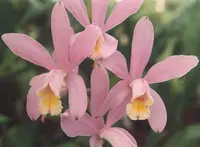
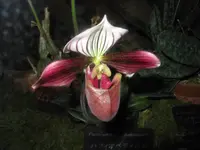
The flower is usually purple to reddish with a pouch-shaped lip, giving the common name slipper orchid. Its slow growth and need for stable conditions can make it slightly challenging for beginners.

Understanding how to care for Purple Paphiopedilum starts with knowing it prefers cool to intermediate temperatures, bright shade, and evenly moist, airy media that never stays soggy or bone dry.

Main Plant Requirements

Care Difficulty

Hard Care

Light Preference

Bright Indirect Light

Water Requirements

Keep Soil Moist

Temperature Preference

Tropical / Frost Sensitive

Hardiness Zone

11–12

Soil Texture

Peaty, Organic-rich, Loamy

Soil pH

Acidic (5.5–6.5)

Soil Drainage

Moist but well-drained

Fertilization

Light (every 4–6 weeks)

Get Personalized Care Plan

Scan your plant to receive care tips personalized for your specific plant

Available on iOS and Android

How to Care for the Purple Paphiopedilum

This species prefers soft, filtered light that mimics a bright forest understory.

  • Provide 8–12 hours of bright, indirect light daily, such as dappled shade under taller plants or a sheer-curtained east or north window for Purple Paphiopedilum indoor care.
  • Allow only gentle morning sun; avoid direct midday or afternoon sun, which can scorch leaves and cause yellow patches or dry, crispy tips.
  • If leaves become dark and flowering declines, increase light slightly; in summer, shift plants a bit deeper into shade, and in winter move them to the brightest safe spot.

Paphiopedilum purpuratum prefers evenly moist, never soggy, growing media.

  • Water when the top 1–2 cm of the mix feels just barely dry, using room-temperature water applied thoroughly until excess drains away.
  • Use a fine, moisture-retentive yet free-draining orchid mix; roots should look firm and pale green to white, not brown, mushy, or foul-smelling, which signals overwatering.
  • In warmer months, watering may be needed more often as the mix dries faster; in cooler seasons, extend intervals slightly but do not let the entire root zone dry out or leaves will become limp and wrinkled.

This orchid grows best in mild, stable temperatures without sudden extremes.

  • Aim for 65–75°F (18–24°C) by day and 55–65°F (13–18°C) at night to support steady growth and flowering.
  • Avoid letting temperatures drop below 45–50°F (7–10°C), as foliage and roots can be damaged and recovery may be slow.
  • In hot weather above 85°F (29°C), increase shade, airflow, and humidity; in cooler months, protect from drafts, cold windows, and any risk of frost exposure.

This species needs moderately high, stable humidity to maintain healthy foliage and blooms.

  • Aim for 50–70% humidity; short dips lower are tolerated but prolonged air below 40% leads to leaf edge browning.
  • Purple Paphiopedilum shows humidity stress as limp leaves, shriveling roots, and stalled new growth.
  • Increase humidity with a pebble tray under the pot or a room humidifier, but keep air moving to prevent fungal spots.

This terrestrial to semi-terrestrial orchid requires a loose, airy, yet moisture-retentive mix rather than standard houseplant soil.

  • Use a fine to medium orchid mix: small bark, perlite, and chunky peat or coco coir, forming a crumbly, organic-rich substrate.
  • Ensure rapid drainage but slight moisture retention; the mix should feel springy, not compacted or muddy after watering.
  • Aim for slightly acidic to neutral pH around 5.5–6.5 to support nutrient availability for Paphiopedilum purpuratum roots.
  • Improve aeration by increasing perlite or fine bark and avoid dense garden soil, pure peat, or mixes that stay wet for more than 2–3 days.

This species is well suited to container growing when pot choice supports its shallow, fine roots.

  • Select a relatively squat, wider pot so shallow roots spread horizontally without deep, unused substrate staying wet.
  • Choose plastic if slower drying is needed or clay if the mix stays damp too long, matching material to your watering habits.
  • Stabilize the pot with a heavier outer cachepot or top-dressing stones if foliage fans make the container prone to tipping.

This orchid benefits from light, consistent feeding during active growth for balanced Paphiopedilum purpuratum plant care.

  • Use a balanced orchid fertilizer (for example 20-20-20) at 1/4–1/2 strength, formulated for epiphytic or terrestrial orchids.
  • Feed every 2–3 weeks in spring and summer, alternating fertilizer applications with plain water to limit salt buildup.
  • In autumn and winter, reduce feeding to once a month or pause entirely if growth slows noticeably.
  • Avoid compost or heavy slow-release granules in the pot, which can break down the mix and damage roots.

Paphiopedilum purpuratum needs only light grooming rather than structural pruning.

  • After flowers fade, cut the spent flower stem at the base with clean, sharp scissors or pruning snips.
  • Remove dead, yellow, or damaged leaves at the base to reduce disease risk and keep the plant tidy.
  • Trim only dry leaf tips, leaving a narrow band of healthy tissue to avoid stressing the fan.
  • Disinfect tools before and after use with alcohol to prevent spreading fungal or bacterial problems.

Repotting maintains healthy roots and fresh medium, which is essential for long-term vigor.

  • Repot every 1–2 years in spring when new roots start, or sooner if roots circle the pot, mix sours, or growth stalls.
  • Use a snug pot and a fresh, airy orchid mix based on fine bark with perlite and a little sphagnum moss.
  • Gently tease away old mix, removing dead, mushy roots while keeping firm, living roots intact.
  • After repotting, water lightly, keep in bright shade for 7–10 days, and resume normal watering once the plant stabilizes.

Propagation of Paphiopedilum purpuratum at home is usually limited to careful division of mature clumps.

  • Divide only well-established plants in late spring when new growth and roots are visible.
  • Remove the plant from the pot, shake off mix, and separate fans so each division has at least 3 healthy growths and active roots.
  • Plant divisions in fresh fine-bark orchid mix, potting them firmly so they do not wobble.
  • Provide warm, stable temperatures, bright filtered light, and slightly higher humidity to support new root growth.

This orchid is frost-sensitive and needs stable, cool to mild indoor conditions in winter.

  • Maintain indoor temperatures around 55–65°F in winter, avoiding cold drafts and sudden temperature swings.
  • Keep the pot off cold windowsills; place it on an insulating tray or stand to protect the root zone.
  • Reduce watering so the mix stays just slightly moist, never wet, and avoid heavy fertilization in low light.
  • In cold regions, grow Paphiopedilum purpuratum indoors year-round under bright, indirect light.

Care Tips

Rotate For Symmetry

Turn the pot 90° every 1–2 weeks so the fan of leaves develops evenly and the spike grows upright instead of leaning toward the light source.

Support Flower Spikes

As soon as a spike reaches 10–15 cm, insert a thin stake and secure it loosely with soft clips or ties to prevent kinking or snapping when the bud gains weight.

Refresh Top Layer

Every 3–4 months, remove the top 1–2 cm of compacted bark or mix and replace it with fresh medium to improve aeration around the basal roots without full repotting.

Strategic Division Timing

Divide only when there are at least 5–6 healthy growths, and keep 3 or more growths per division to reduce post-division stress and maintain reliable flowering.

Post-Flowering Clean‑Up

After the flower fades, cut the spike at the base and inspect the crown closely for spent bracts or trapped debris so moisture cannot sit there and cause rot when caring for Purple Paphiopedilum.

Common Pests and Diseases

Mealybugs

This pest feeds on sap and often hides at leaf bases, in crown folds, and on flower spikes, leaving white cottony clusters. Symptoms include sticky honeydew, sooty mold, and general decline or distorted growth.

Solution

Isolate the plant, then remove visible insects with a cotton swab dipped in 70% isopropyl alcohol, paying special attention to tight leaf junctions and the base of the fan. For persistent infestations, use repeated applications of an insecticidal soap or a systemic insecticide labeled for orchids, and improve air movement and hygiene around the plant to reduce reinfestation when caring for Purple Paphiopedilum.

Spider mites

These insects thrive in warm, dry conditions and usually attack the undersides of leaves, causing fine stippling, dulling, and a bronze or silvery cast. Symptoms include very fine webbing at leaf edges and a general loss of leaf gloss.

Solution

Increase humidity to above 50%, rinse foliage thoroughly under a gentle stream of lukewarm water, and wipe leaf undersides to remove mites and eggs. Follow up with repeated treatments of miticidal soap or a horticultural oil labeled for mites, and maintain good air circulation without letting the plant dry out excessively between waterings.

Brown leaf rot (bacterial/fungal blotch)

This disease causes soft, water-soaked or sunken brown lesions on leaves, often starting at the crown or where water sits on the foliage. Symptoms include a rapid spread of spots in warm, stagnant, and wet conditions, sometimes with a foul odor.

Solution

Immediately remove affected tissue with a sterile blade, cutting well into healthy-looking tissue, and keep cuts dry. Improve air circulation, avoid water sitting in the crown, reduce overhead watering, and treat remaining leaves and the crown area with a copper-free fungicide or a broad-spectrum bactericide labeled for orchids as needed.

Leaf tip burn from salt accumulation

Symptoms include dry, brown, necrotic tips and margins, often progressing slowly along the leaf, while the base remains firm and green. This issue is common in plants grown in low-ventilation setups or with hard water and heavy fertilization, especially in fine orchid mixes that retain salts.

Solution

Flush the potting medium thoroughly with low-mineral water (rain, RO, or distilled) every 3–4 weeks and reduce fertilizer concentration to 1⁄4–1⁄2 of the recommended orchid dose. Repot into fresh, well-drained fine bark mix if the medium is older than 1–2 years, and ensure regular leaching and good drainage to prevent new salt buildup.

Fusarium wilt

This disease invades the vascular tissue in the roots and rhizome, leading to stunted fans, yellowing leaves, and poor new growth even when watering and light are adequate. Symptoms include a characteristic purple to reddish discoloration in the rhizome and leaf bases when cut open.

Solution

Discard severely affected plants, as recovery is unlikely once the vascular system is extensively damaged. For early or suspected cases, remove and destroy infected parts, sterilize cutting tools between cuts, repot into fresh sterile medium, avoid recycling old mix, and maintain stable moisture without prolonged drought stress, which predisposes Paphiopedilum roots to Fusarium infection.

Interesting Facts

Endangered forest specialist

This species is naturally restricted to a small area of subtropical evergreen forests in southern China and adjacent regions, where it grows on shaded, humus-rich slopes and rocky outcrops, and is considered endangered in the wild due to habitat loss and over-collection.

Distinctive purple pouch

The flower’s inflated, slipper-shaped labellum is a deep purplish color with darker spotting, which, together with the glossy green leaves, makes it one of the more visually striking members of its genus.

Trap-guided pollination

Its pouch and patterned petals guide small insects into the flower, temporarily trapping them and forcing them past the pollen-bearing structures, an example of specialized pollination used by many but not all slipper orchids.

Botan icon

Did you know?

Wild populations of this species have declined so severely that several conservation programs treat it as a priority taxon, using ex situ propagation and controlled reintroduction attempts to reduce pressure from illegal collecting and to stabilize remaining natural populations.

FAQs about Purple Paphiopedilum

Lack of flowers usually comes from insufficient seasonal temperature drop, low light, or depleted nutrients. Provide a slight night–day temperature difference, stable moderate light, and a balanced orchid fertilizer to support bud initiation and flowering.

Grow Healthy Plants with Botan Care

Keep your plants happy and healthy with plant identification, disease detection, and easy care guidance.

Botan plant care app — identify plants on mobile

Explore More Plants