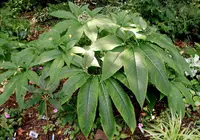
Segmented potting mix
Arrange the medium in layers, using slightly coarser bark around the roots and finer material toward the top, to keep the root zone aerated while still holding enough surface moisture for new root tips.

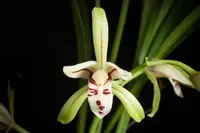
Cymbidium lancifolium, commonly called the bamboo-leaf orchid, is a compact, clumping epiphytic orchid with narrow, grasslike leaves that resemble small bamboo foliage. It produces arching sprays of small to medium flowers, often in soft greenish or yellowish tones with patterned lips.
This species is native to humid forests of Southeast Asia, where it typically grows on trees or rocks in shaded, well-aerated positions. Its moderate growth rate, preference for stable conditions, and need for regular moisture make it manageable for growers with some orchid experience.
Understanding how to care for Bamboo-leaf orchid starts with providing bright, filtered light, good air movement, and an orchid-safe, fast-draining substrate that never stays waterlogged for long periods.

Care Difficulty
Moderate Care

Light Preference
Partial Shade

Water Requirements
Moderate Water

Temperature Preference
Warm Climate

Hardiness Zone
10–11

Soil Texture
Organic-rich, Loamy

Soil pH
Acidic (5.5–6.5)

Soil Drainage
Moist but well-drained

Fertilization
Moderate (every 2–4 weeks)
Scan your plant to receive care tips personalized for your specific plant
Available on iOS and Android
Cymbidium lancifolium prefers bright, filtered light that mimics high, dappled forest canopy conditions.
This species prefers evenly moist but never waterlogged conditions, with brief drying at the surface between waterings.
This orchid grows best with moderate temperatures and a distinct drop at night.
This orchid prefers moderately moist air to support healthy foliage and root function.
This species grows best in a loose, airy, fast-draining orchid medium rather than standard potting soil.
This sympodial orchid is well suited to container growing when pot and medium are chosen for aeration and stability.
This orchid benefits from regular, moderate feeding to support foliage and flower production.
Pruning needs for Cymbidium lancifolium are light and mainly focused on hygiene and flowering performance.
Repotting is infrequent but important for long-term health and flowering of this clumping cymbidium.
This orchid is most reliably propagated by division of mature clumps rather than by seed or cuttings.
Winter care focuses on avoiding freezing damage while maintaining cool, bright conditions that support future flowering.

Plant Health Check
Not sure what's wrong with your plant? Check your plant's health inside the app.
This species forms dense fans of long, narrow leaves that resemble coarse grass, which helps it intercept light efficiently in the dappled shade of tropical forests.
It typically produces relatively few flowers per inflorescence on gracefully arching spikes, a trait that makes its floral display more delicate compared to many showier hybrid Cymbidium orchids.
The species is naturally distributed in low to mid-elevation forests of parts of Southeast Asia, where it often grows as a terrestrial or lithophytic orchid on leaf litter and mossy rock ledges.
Lack of flowers usually comes from insufficient light, too-warm nights, or no cooler, drier rest period. Crowded roots can help, but exhausted potting mix or heavy feeding with high-nitrogen fertilizer also reduce spike production and bud development.
Keep your plants happy and healthy with plant identification, disease detection, and easy care guidance.