Sacha Inchi Care (Plukenetia volubilis)

Sacha Inchi

About Sacha Inchi

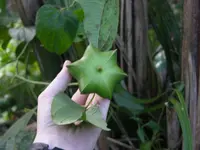
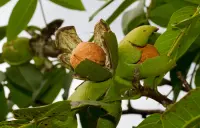
Sacha inchi, Plukenetia volubilis, is a fast-growing perennial vine native to the Amazon basin in South America. It is mainly cultivated for its star-shaped seed pods and oil-rich seeds.

The plant climbs using tendrils and can reach several meters when supported, with soft green leaves and small, inconspicuous flowers. Its seeds are only safe to eat after proper roasting.

Sacha inchi prefers warm conditions, consistent moisture, and well-drained, fertile soil, which can make outdoor cultivation challenging in cooler climates. Gardeners who understand how to care for Sacha Inchi will find it rewarding where temperatures and light are suitable.

Main Plant Requirements

Care Difficulty

Moderate Care

Light Preference

Full Sun

Water Requirements

Moderate Water

Temperature Preference

Tropical / Frost Sensitive

Hardiness Zone

10–12

Soil Texture

Sandy, Loamy, Organic-rich

Soil pH

Acidic (5.5–6.5), Slightly acidic (6.5–7.0)

Soil Drainage

Well-drained

Fertilization

Light (every 4–6 weeks)

Get Personalized Care Plan

Scan your plant to receive care tips personalized for your specific plant

Available on iOS and Android

How to Care for the Sacha Inchi

This fast-growing vine needs strong light to flower and fruit well outdoors.

  • Provide 6–8 hours of direct sun daily, ideally with morning sun and light afternoon shade in hot climates to reduce leaf scorch risk for Sacha Inchi.
  • Tolerates bright partial shade (around 4–5 hours direct sun) but flowering and pod production usually decrease as shade increases.
  • In hot summers, use trellises, nearby taller plants, or shade cloth to filter harsh midday sun, especially during heatwaves or when plants are newly established.

This plant prefers consistently moist but not saturated soil, especially during active growth.

  • Water when the top 3–5 cm of soil feels dry, applying enough to moisten the root zone while allowing excess to drain away quickly.
  • Use well-drained soil or raised beds so water does not pool; persistent soggy conditions can cause root rot, yellowing leaves, and weak growth in Plukenetia volubilis.
  • In hotter months, expect more frequent watering and watch for wilting or dull, limp leaves; in cooler seasons, reduce watering and avoid soaking cool soil.

This tropical vine grows best in warm, stable conditions without frost exposure.

  • Aim for 70–86°F (21–30°C) during active growth; plants slow noticeably below 68°F (20°C) and perform poorly in prolonged cool weather.
  • Protect from temperatures below 50°F (10°C); light frost around 32°F (0°C) can kill foliage and young plants, and hard freezes may destroy roots.
  • In hot regions, plants tolerate up to about 95°F (35°C) if soil moisture is maintained and roots are shaded; intense heat with dry soil leads to leaf scorch and flower drop.

This species prefers moderately humid air but adapts to a range of household conditions.

  • Aim for 50–70% humidity to support steady foliage and flower development in Sacha Inchi.
  • Tolerates brief dips to 30–40%, but prolonged very dry air can cause leaf edge browning and slow growth.
  • Increase humidity with a nearby humidifier, grouped plants, or a pebble tray, rather than misting leaves frequently.

This plant performs best in loose, well-drained, moderately fertile soil that does not stay waterlogged.

  • Use a sandy or loamy mix with high organic matter, such as 40% compost, 40% coarse sand, and 20% perlite.
  • Ensure rapid drainage; water should flow through within seconds rather than pooling on the surface.
  • Aim for slightly acidic to neutral pH around 6.0–7.0 to support nutrient uptake for Plukenetia volubilis.
  • Improve aeration and reduce compaction by adding coarse materials like perlite or fine bark and avoiding heavy clay-based mixes.

This vine is suitable for container growing when given enough depth, drainage, and structural support.

  • Choose a deep, heavy container that resists tipping once the vine climbs and fruits develop.
  • Select a pot material that matches the climate, such as unglazed clay in humid regions to let excess moisture evaporate faster.
  • Position the container where a trellis or sturdy support can be anchored directly in the pot without wobbling as stems thicken.

This nutrient-hungry vine benefits from consistent, moderate feeding during its active growing season.

  • Use a balanced NPK fertilizer (for example 10-10-10) or well-rotted compost in well-drained soil.
  • Feed every 4–6 weeks during spring and summer while growth and flowering are strong.
  • Apply liquid feeds at 1/2–3/4 label strength to limit salt buildup and root burn.
  • Reduce or stop feeding Sacha Inchi in fall and winter when growth naturally slows.

Plukenetia volubilis responds well to light, structured pruning that keeps the vine manageable and productive.

  • Carry out main pruning in late winter or early spring before vigorous new growth begins.
  • Remove dead, diseased, or damaged stems first, then thin weak or crowded shoots to open the canopy.
  • Shorten overly long vines to maintain a compact framework on the trellis or support.
  • Use clean, sharp bypass pruners and make cuts just above healthy buds or branching points.

This vigorous climbing plant is usually grown in the ground but can adapt to large containers with careful transplanting.

  • Look for roots circling the pot drainage holes, soil drying very quickly, or slowed growth as signs it needs a larger container.
  • Plan transplanting or upsizing for late spring once temperatures are consistently warm and frost risk has passed.
  • Repot or transplant every 2–3 years, moving to a pot 5–8 cm wider or a well-prepared garden bed with rich, draining soil.
  • Water thoroughly before and after moving, disturb roots as little as possible, and shade the plant for a few days to reduce stress.

New plants are most commonly raised from seed, which makes growing Sacha Inchi straightforward in warm conditions.

  • Sow fresh, viable seeds in late spring when soil temperatures reach at least 70°F.
  • Use a loose, well-drained seed mix and plant seeds about 2–3 cm deep, then keep evenly moist but not waterlogged.
  • Provide bright light and warm, stable conditions; germination usually takes 1–3 weeks in suitable temperatures.
  • Transplant seedlings once they have several true leaves, handling roots gently to avoid damage.

This tropical vine is frost-sensitive and needs thoughtful winter care outside true frost-free climates.

  • Avoid exposure to frost; growth declines sharply when temperatures drop near 40°F.
  • Mulch the root zone 5–8 cm deep in mild-winter areas to buffer soil temperature and conserve moisture.
  • Move container plants indoors or into a heated greenhouse before the first expected frost.
  • Reduce watering in cool conditions, allowing the top soil to dry slightly between waterings to prevent root rot.

Care Tips

Sturdy trellis support

Install a strong trellis or wire frame before planting and tie new vines loosely with soft ties every 20–30 cm so the plant climbs efficiently and pods stay off wet soil, reducing rot risk.

Hand pollination aid

In areas with low insect activity, gently tap or shake flowering stems in the morning or brush between flowers with a small, clean paintbrush to improve pollination and increase pod set.

Targeted pod harvesting

Check pods weekly and harvest only when they turn fully brown and begin to dry, which helps concentrate seed quality and encourages the plant to channel energy into new flowering.

Seasonal root protection

In cooler regions, apply a 5–8 cm layer of coarse organic mulch around, but not touching, the stem base in late summer to buffer root temperatures and maintain more even soil moisture as nights cool.

Preventive pest scouting

Inspect the undersides of leaves and young pods at least once a week for chewing or sucking pests and remove early infestations by hand or with a targeted insecticidal soap spray, which is especially important when caring for Sacha Inchi in warm, humid climates.

Common Pests and Diseases

Leaf-eating caterpillars

This pest commonly attacks young foliage and shoots, chewing irregular holes and sometimes skeletonizing leaves on Sacha Inchi vines. Symptoms include missing leaf tissue, green droppings (frass), and curled leaves sheltering larvae.

Solution

Hand-pick visible caterpillars and destroy heavily infested leaves, then encourage natural predators such as birds by avoiding broad-spectrum insecticides. For heavier infestations, use a targeted biological product containing Bacillus thuringiensis (Bt) in the evening, coating both sides of leaves and repeating as needed according to label directions.

Whiteflies

These insects often colonize the underside of leaves, sucking plant sap and causing yellowing, leaf drop, and sticky honeydew that can lead to sooty mold. This pest is especially problematic on plants grown under protected or low-airflow conditions, such as shade houses or enclosed patios.

Solution

Regularly inspect the undersides of leaves, then dislodge adults and nymphs with a strong water spray and remove heavily infested foliage. For ongoing control, apply insecticidal soap or horticultural oil to the undersides of leaves every 5–7 days until populations decline, and improve airflow to make the environment less favorable.

Pod borers

These insects are larvae of moths that tunnel into developing star-shaped fruit capsules, feeding on seeds and reducing yield. Symptoms include small entry holes in pods, frass around openings, premature fruit drop, and shriveled or damaged seeds when pods are opened.

Solution

Collect and destroy infested and fallen pods to break the life cycle, and avoid leaving harvested pods on the ground. Use fine mesh bags or netting around developing clusters where feasible, monitor with light or pheromone traps if available locally, and time any Bt or other targeted biological treatments to coincide with early larval stages before they penetrate the pods.

Anthracnose

This disease is caused by Colletotrichum fungi and often affects leaves, stems, and pods, especially in warm, humid climates where Plukenetia volubilis is commonly grown. Symptoms include small water-soaked spots that enlarge into dark, sunken lesions with yellow halos, sometimes leading to premature leaf or pod drop.

Solution

Remove and discard affected leaves, pods, and plant debris, and avoid overhead watering to keep foliage as dry as possible. Improve spacing and airflow around vines, apply a copper- or bio-based fungicide at the first sign of spots if conditions remain wet, and rotate plantings or supports to reduce inoculum build-up in the same area.

Powdery mildew

This disease appears as white, powdery patches on upper leaf surfaces, stems, and sometimes young pods, especially in areas with warm days and cool, humid nights. This disease can reduce photosynthesis, cause leaf yellowing and distortion, and weaken the vines over time.

Solution

Prune to open the canopy and remove the most affected leaves, disposing of them away from the planting area. Improve sun exposure and airflow, avoid excess nitrogen fertilization, and apply a sulfur-based or potassium bicarbonate fungicide as soon as the first white patches appear, repeating per label directions to protect new growth and support overall Plukenetia volubilis plant care.

Interesting Facts

Amazonian liana oilseed

This species is a perennial woody vine native to the western Amazon basin, where it naturally climbs shrubs and small trees while producing star-shaped seed capsules rich in oil.

Unusual seed architecture

Each dried fruit forms a distinctive 4–7-pointed star, and inside each lobe sits a large, flattened seed that stores lipids as its main energy reserve rather than starch.

High alpha-linolenic content

Its seeds are notable for having a very high proportion of alpha-linolenic acid, an omega-3 fatty acid that plants typically store in reproductive tissues like seeds for embryo development.

Botan icon

Did you know?

Archaeobotanical evidence from pre-Columbian sites in Peru shows that this vine was domesticated and cultivated by Indigenous cultures for its seeds long before European contact, making it one of the oldest documented oilseed crops from the Amazon region.

FAQs about Sacha Inchi

Lack of flowering often relates to plant immaturity, insufficient warmth, or nutrient imbalance. This species usually blooms after establishing a strong root system and vegetative growth, so consistent heat, balanced fertilization, and time are important.

Grow Healthy Plants with Botan Care

Keep your plants happy and healthy with plant identification, disease detection, and easy care guidance.

Botan plant care app — identify plants on mobile

Explore More Plants