Early structural pruning
In the first 2–3 years, remove steep, narrow branch crotches and competing leaders during the dry season to build a strong, open framework that will better resist wind damage later.

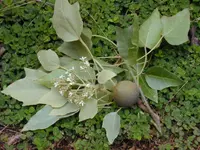
Candlenut, Aleurites moluccanus, is a fast-growing tropical tree valued for its glossy foliage, rounded crown, and nut-like seeds. It can reach substantial height in warm climates and is usually grown outdoors rather than as a houseplant. Native to Southeast Asia and the Pacific, it thrives in humid, frost-free regions and often grows near coasts or in lowland forests. The tree prefers full sun, well-drained soil, and consistent moisture, but young plants can be sensitive to drought and cold. Gardeners who understand how to care for Candlenut need space, mild temperatures, and protection from strong winds for reliable growth.

Care Difficulty
Moderate Care

Light Preference
Full Sun

Water Requirements
Moderate Water

Temperature Preference
Tropical / Frost Sensitive

Hardiness Zone
10–12

Soil Texture
Sandy, Loamy, Organic-rich

Soil pH
Acidic (5.5–6.5), Slightly acidic (6.5–7.0)

Soil Drainage
Well-drained

Fertilization
Minimal (feed rarely)
Scan your plant to receive care tips personalized for your specific plant
Available on iOS and Android
This tropical tree needs abundant light to grow into a healthy Candlenut.
This species prefers consistently moist but not saturated soil.
This tropical tree thrives in warm, frost-free conditions year-round.
This species tolerates a wide humidity range and usually needs no special humidity management.
Aleurites moluccanus prefers loose, well-drained, moderately fertile soil that never stays waterlogged.
This species can be grown in containers, especially during its juvenile stage or in cooler climates.
This tropical tree grows acceptably in poor soils, but moderate feeding supports faster, healthier growth for Candlenut.
Light, thoughtful pruning keeps Aleurites moluccanus structurally sound and easier to manage.
This fast-growing tree is usually field grown, so care focuses on timely transplanting rather than long-term containers.
New Aleurites moluccanus plants are most commonly produced from seeds rather than vegetative methods.
This species is frost-tender and needs careful winter management in regions with cold weather.

Plant Health Check
Not sure what's wrong with your plant? Check your plant's health inside the app.
This tree was intentionally carried by Polynesian voyagers across the Pacific in their canoes, mainly for its oily seeds, wood, and other practical uses, so its current distribution reflects ancient human migration routes.
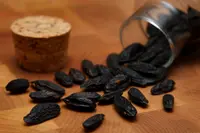
The seeds contain a very high proportion of drying oil that burns with a steady flame, which led to traditional use of the kernels as improvised candles and fuel for lamps.
Although all parts of the tree, especially the seeds, are toxic if eaten raw due to irritant compounds, the species has long been used for industrial oil, varnish, soap, and as a shade and reforestation tree in tropical regions.

Mature candlenut trees often act as natural pioneers on disturbed tropical slopes, where their rapid growth and broad crowns help stabilize soil and create shade that allows slower native forest species to establish underneath them.
All parts are toxic if eaten raw due to irritant and potentially narcotic compounds in the seeds. Roasted, properly processed kernels are used traditionally but must be prepared with care. Keep seedlings, nuts, and leaves away from pets and children.
Keep your plants happy and healthy with plant identification, disease detection, and easy care guidance.