creeping spotflower Care (Acmella decumbens)

creeping spotflower

About creeping spotflower

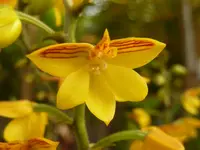
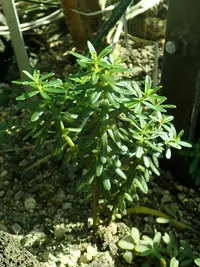
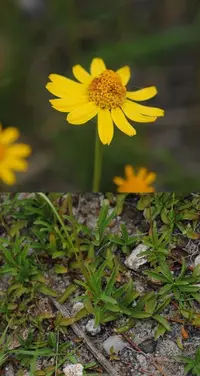
Creeping spotflower (Acmella decumbens) is a low, spreading herb often used as a groundcover in warm climates. It forms dense mats of small green leaves and yellow button-like flower heads.

This species is native to tropical and subtropical regions of the Americas and has naturalized in many other warm, humid areas. It grows quickly and can cover bare soil, which helps suppress weeds but may require control in small spaces.

The plant is generally easy to grow, as it tolerates a range of soils and brief dry spells once established. It prefers warm temperatures, moderate moisture, and a sunny to lightly shaded site, which makes it relatively simple to care for creeping spotflower.

Main Plant Requirements

Care Difficulty

Easy Care

Light Preference

Full Sun

Water Requirements

Moderate Water

Temperature Preference

Tropical / Frost Sensitive

Hardiness Zone

10–12

Soil Texture

Sandy, Loamy, Organic-rich

Soil pH

Acidic (5.5–6.5), Slightly acidic (6.5–7.0)

Soil Drainage

Moist but well-drained

Fertilization

Light (every 4–6 weeks)

Get Personalized Care Plan

Scan your plant to receive care tips personalized for your specific plant

Available on iOS and Android

How to Care for the creeping spotflower

Acmella decumbens prefers bright conditions with some protection from harsh midday sun.

  • Provide 4–6 hours of direct morning sun or late-afternoon sun, with light shade during the strongest midday hours.
  • Plant where it receives full sun to light partial shade; growth and flowering decrease if it gets less than 3–4 hours of direct sun.
  • In hot summers, use filtered light or dappled shade to prevent leaf scorch, but avoid deep shade, which causes weak, sprawling creeping spotflower stems.

This species benefits from consistently moist but not waterlogged soil.

  • Water when the top 2–3 cm of soil feels dry, using a slow soak so moisture reaches the root zone, then let excess drain away.
  • In summer, monitor more often during heat or wind; in cooler seasons, allow the surface to dry a bit more between waterings to reduce rot risk.
  • Signs of overwatering include yellowing, limp foliage and a sour smell; dry, curling leaves and slow growth suggest Acmella decumbens needs more frequent deep watering.

This warm-season plant grows best in stable, mild to warm temperatures.

  • Aim for 70–85°F (21–29°C) for fastest growth; short periods up to 90°F (32°C) are tolerated if soil moisture is maintained.
  • Protect from cold; growth slows below 55°F (13°C) and plants can be damaged near 40°F (4°C), especially in wet, windy conditions.
  • Creeping spotflower is highly frost-sensitive; kill or severe injury occurs at 32°F (0°C), so treat it as an annual or lift cuttings before first frost in cooler regions.

This species grows well in typical indoor humidity but responds best to moderately moist air.

  • Aim for 40–60% humidity, similar to many common houseplants, for steady foliage growth.
  • Creeping spotflower tolerates short dry spells, but very dry heated rooms may cause leaf edges to crisp and growth to stall.
  • Increase humidity locally with a nearby water tray, grouped plants, or a small room humidifier rather than misting the leaves.

Acmella decumbens prefers loose, well-drained, moderately fertile soil that still holds some moisture.

  • Use a light loam or sandy loam rich in organic matter so roots spread easily and oxygen reaches them.
  • Aim for slightly acidic to neutral pH around 6.0–7.0, which supports nutrient uptake and steady growth.
  • Mix roughly 2 parts all-purpose potting mix with 1 part compost and 1 part perlite or coarse sand to improve drainage and aeration.
  • Avoid heavy clay, compacted ground, or mixes that stay soggy, which encourages root rot and weak, shallow rooting.

This species is well suited to container growing on patios, balconies, or small gardens.

  • Choose a wide, shallow to medium-depth pot to allow its creeping habit to spread without waterlogging the root zone.
  • Select a stable container that resists tipping as stems trail over the rim and shift the plant’s center of gravity outward.
  • Use a pot material such as terracotta if extra evaporation is needed in wet climates, or glazed plastic in hot, dry sites to slow moisture loss.

Acmella decumbens responds well to light feeding during its active growing season in warm months.

  • Use a balanced liquid fertilizer (such as 10-10-10) diluted to 25–50% strength for container-grown creeping spotflower.
  • Apply every 4–6 weeks in spring and summer when growth is vigorous.
  • In autumn and winter, reduce feeding to 1 light application or stop if growth slows significantly.
  • In the ground, rely mainly on compost or a mild slow-release product mixed into the topsoil in spring.

Pruning Acmella decumbens helps maintain a compact form and extend flowering.

  • Best time for structural pruning is late winter or early spring before strong new growth.
  • Use clean, sharp scissors or hand pruners to remove dead, damaged, or weak stems at the base.
  • Lightly trim leggy or crowded shoots to encourage branching and a fuller mound of foliage.
  • Deadhead spent flower heads through the season to promote continued blooming and neat appearance.

This species is often treated as a bedding or groundcover plant, so transplanting is usually more important than repotting.

  • Transplant in spring after frost risk has passed, when seedlings or young plants are well rooted but not rootbound.
  • Look for roots circling the pot drainage holes, dry-out between waterings, or slowed growth as signs a container is too small.
  • Move up only 1 pot size, handling the root ball gently and loosening tight roots without tearing them.
  • Water thoroughly after transplanting, then keep soil evenly moist and shaded from harsh sun for several days to reduce stress.

Acmella decumbens is commonly propagated from seeds and short stem cuttings.

  • Sow fresh seeds in spring on the surface of a moist, well-draining mix, then press lightly and keep at 70–75°F with bright, indirect light.
  • Keep seed trays evenly moist, not waterlogged, until germination occurs in 7–21 days.
  • For cuttings, take 7–10 cm non-flowering tips in late spring or early summer and remove lower leaves.
  • Insert cuttings into a light rooting mix, maintain high humidity and warmth, and root disturbance should be minimal until new growth appears.

In mild climates Acmella decumbens behaves as a tender perennial, but it is usually grown as a warm-season annual in colder regions.

  • This plant is frost-sensitive and typically declines after the first hard frost below about 30°F.
  • In zones with cool winters, treat it as an annual and replant from seed or starters each spring rather than overwintering outdoors.
  • For container plants in marginal climates, move pots indoors to a bright, cool, frost-free spot before freezing nights.

Care Tips

Low edging control

Use shallow edging, rocks, or bricks 3–5 cm high to contain the spreading stems and prevent this fast groundcover from invading adjacent beds or lawn areas.

Pinch for density

Regularly pinch back 2–3 cm of new shoot tips during active growth to keep the mat dense, reduce legginess, and encourage more lateral branching and flowering.

Layering propagation

To quickly expand coverage, peg a healthy stem node to the soil with a small wire or U-shaped clip, keep that spot evenly moist for 2–4 weeks, then cut and transplant once roots have formed.

Targeted weed suppression

Plant it at 20–30 cm spacing in problem spots and lightly mulch between young plants so the developing mat can outcompete small weeds without relying heavily on herbicides.

Dry-season management

In very hot, dry periods, slightly raise mowing height or trim surrounding taller plants to reduce reflective heat and wind exposure on the mat, which stabilizes moisture and supports long-term success when growing creeping spotflower.

Common Pests and Diseases

Aphids

This pest feeds on tender shoots and flower buds, causing curling, distortion, and sticky honeydew on stems and leaves.

Solution

Rinse colonies off young stems and flower stalks with a strong stream of water, then spot-treat remaining clusters with insecticidal soap or a light horticultural oil, repeating every 5–7 days until no new aphids appear and encouraging natural predators such as lady beetles where possible.

Spider mites

These insects are actually tiny arachnids that thrive in hot, dry conditions, leading to pale stippling on leaves, fine webbing, and gradual leaf drop.

Solution

Increase humidity around the plant, then wash foliage thoroughly with water and apply insecticidal soap or neem oil to both upper and lower leaf surfaces, repeating weekly until new growth appears clean and mite activity stops.

Leaf spot

This disease causes small brown or dark purple spots on foliage that may enlarge, merge, and lead to premature yellowing and shedding of leaves, especially in warm, humid weather.

Solution

Remove and dispose of affected leaves, avoid overhead watering, improve spacing and airflow, and if spotting continues, use a copper-based or chlorothalonil fungicide labeled for ornamentals, applying according to label directions and only as needed.

Powdery mildew

This disease appears as a white, powdery coating on upper leaf surfaces and young stems, which can cause leaf distortion and reduced growth in dense plantings.

Solution

Thin or trim crowded stems to improve light and airflow, avoid wetting foliage in the evening, and treat early infections with sulfur or potassium bicarbonate-based fungicides applied at label rates, repeating at intervals if conditions remain humid and mild.

Leaf miners

These insects create narrow, winding, pale trails inside the leaves as larvae feed between leaf surfaces, which can reduce photosynthesis and weaken sprawling groundcover patches.

Solution

Prune and discard leaves showing fresh mines, limit high-nitrogen fertilization that attracts egg-laying adults, and in persistent cases use a systemic insecticide labeled for leaf miners on ornamentals, applying carefully to protect beneficial insects.

Interesting Facts

Low-growing mat former

This species naturally forms a creeping, mat-like ground cover with stems that root at the nodes, allowing it to spread efficiently over bare or disturbed soil in tropical and subtropical areas.

Button-like flower heads

The plant produces small, rounded flower heads with tightly packed yellow florets, giving a button or spot appearance that helps distinguish it from other low-growing Asteraceae species.

Tropical disturbance specialist

Acmella decumbens often colonizes disturbed habitats such as roadsides, paths, and open fields in warm, humid regions, where its rapid creeping habit allows it to stabilize soil and occupy gaps before taller vegetation closes the canopy.

FAQs about creeping spotflower

This species can spread quickly by creeping stems and self-seeding, especially in warm climates. In managed beds, control it by edging, regular trimming, and removing unwanted seedlings before they set seed.

Grow Healthy Plants with Botan Care

Keep your plants happy and healthy with plant identification, disease detection, and easy care guidance.

Botan plant care app — identify plants on mobile

Explore More Plants