Early structural training
Select 1–3 strong scaffold stems while the plant is young and remove competing shoots annually so the tree develops a stable, open framework that supports fruit weight and reduces limb breakage later.

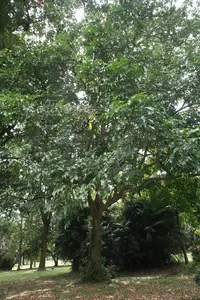
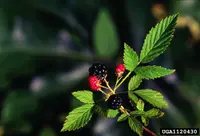
African grape, Pseudospondias microcarpa, is a small to medium-sized deciduous tree, often with a rounded crown and dense, glossy foliage. It produces clustered, yellow to reddish grape-like fruits that hang below the leaves, giving the plant its common name.
This species is native to tropical Africa, where it grows in forest edges, riverine areas, and woodland habitats. In cultivation it prefers warm conditions, consistent moisture, and well-drained soil, which influences how easy it is to keep healthy.
Gardeners who want to care for African grape should note its need for reliable water, protection from frost, and bright light without extreme, drying exposure.

Care Difficulty
Moderate Care

Light Preference
Partial Shade

Water Requirements
Moderate Water

Temperature Preference
Tropical / Frost Sensitive

Hardiness Zone
11–13

Soil Texture
Loamy, Sandy, Organic-rich

Soil pH
Acidic (5.5–6.5), Slightly acidic (6.5–7.0)

Soil Drainage
Moist but well-drained

Fertilization
Minimal (feed rarely)
Scan your plant to receive care tips personalized for your specific plant
Available on iOS and Android
This tropical tree prefers bright, filtered light similar to open woodland edges.
This species prefers evenly moist, well‑drained soil rather than extremes of drought or saturation.
This African woodland tree thrives in consistently warm, frost‑free conditions.
This species prefers moderately humid air but usually tolerates typical household conditions.
This species prefers loose, well-structured, slightly acidic to neutral soil that drains freely yet holds some moisture.
This tree can be grown in containers for the long term if the pot setup manages its vigorous root system and height.
This species grows well in modest soils and usually needs only light supplemental feeding in cultivation.
Pruning Pseudospondias microcarpa is mainly for structure, safety, and removal of weak wood.
This tree is typically grown in the ground, so management focuses on careful transplanting of young specimens.
Propagation of this species is usually done from seed, with vegetative methods used less often.
This tropical to subtropical tree has low frost tolerance and benefits from basic winter precautions in cooler climates.

Plant Health Check
Not sure what's wrong with your plant? Check your plant's health inside the app.
This species naturally grows as a medium to large tree in moist African woodlands and riverine forests, where its fruit helps connect forest canopy and ground-dwelling animals through food chains.
It produces clusters of small, fleshy drupes that are eaten by birds and mammals, which then disperse the seeds over long distances through their droppings.
The tree has large, pinnate to bipinnate leaves, meaning each leaf is divided into many small leaflets, which increases light capture while reducing damage from strong sun and heavy rain.
Growth is moderate under warm, frost-free conditions. Young plants can add 30–60 cm per year once established, slowing as the woody framework develops. Container growth is usually slower due to limited root space and nutrients.
Keep your plants happy and healthy with plant identification, disease detection, and easy care guidance.