quince Care (Cydonia oblonga)

Also known as: Common Quince
quince

About quince

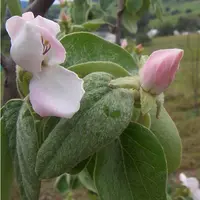
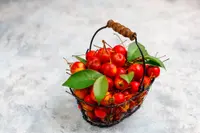
Quince, Cydonia oblonga, is a small deciduous fruit tree grown for its aromatic, golden-yellow fruits and attractive spring blossoms. It usually forms a rounded crown with twisting branches and oval, softly hairy leaves.

The species originates from the Caucasus and western Asia but is now cultivated in many temperate regions as an orchard and ornamental tree. It is generally hardy and manageable in size, though fruit production improves with good light and shelter.

Quince prefers full sun, moderately moist but well-drained soil, and benefits from regular pruning to maintain structure. Understanding how to care for quince makes it a reliable choice for home gardens.


Main Plant Requirements

Care Difficulty

Moderate Care

Light Preference

Full Sun

Water Requirements

Moderate Water

Temperature Preference

Cold Hardy

Hardiness Zone

5–9

Soil Texture

Loamy, Sandy, Clay

Soil pH

Acidic (5.5–6.5), Slightly acidic (6.5–7.0)

Soil Drainage

Well-drained

Fertilization

Minimal (feed rarely)

Get Personalized Care Plan

Scan your plant to receive care tips personalized for your specific plant

Available on iOS and Android

How to Care for the quince

This tree thrives with abundant direct light to support strong flowering and fruiting.

  • Provide 6–8 hours of direct sun daily; morning sun with some light afternoon shade suits many regions, especially where summers are hot.
  • Tolerates light partial shade (around 4–5 hours direct sun), but quince may flower less and produce fewer, smaller fruits in shadier spots.
  • In very hot climates, protect from intense late-afternoon sun to reduce leaf scorch, but avoid deep shade, which leads to weak, elongated shoots and poor fruit set.

This species prefers consistent soil moisture but does not tolerate waterlogged conditions.

  • Allow the top 3–5 cm of soil to dry before deep watering, then soak the root zone rather than sprinkling the surface lightly.
  • During the first 2–3 growing seasons, monitor closely in dry spells; dull, curling leaves suggest drought stress, while yellowing leaves and soft new growth point to overwatering.
  • Plant in well-drained loam or sandy loam; avoid standing water around the trunk and use mulch to reduce evaporation while keeping mulch 5–8 cm away from the bark.

This deciduous fruit tree is adapted to temperate climates with cool winters and warm summers.

  • Optimal growing temperatures in the active season are around 65–80°F (18–27°C), supporting steady shoot growth, flowering, and fruit development.
  • Fully dormant trees tolerate winter lows to about 0°F (−18°C); brief dips slightly below may be survived, but young trees are more vulnerable.
  • Summer heat up to about 90°F (32°C) is usually acceptable if soil moisture is maintained; prolonged hotter periods increase stress, so provide mulch and, if possible, some afternoon shade.

Humidity plays a minor role for Cydonia oblonga, which adapts well to typical outdoor air levels.

Cydonia oblonga prefers moderately moist, well-drained, fertile ground with a stable structure.

  • Use a deep loam with a mix of mineral soil and organic matter such as compost to support strong root development.
  • Aim for slightly acidic to neutral pH, around 6.0–7.0, and avoid strongly alkaline or salty substrates.
  • Improve drainage and aeration by incorporating coarse sand or fine gravel into heavy clay before planting.
  • Avoid compacted, waterlogged, or very shallow soils that restrict root spread and increase risk of root rot.

This species can be grown in containers when given enough root volume and stability.

  • Choose a large, deep, heavy pot to counterbalance eventual top weight and reduce tipping in wind.
  • Use a slightly raised pot base or pot feet so drainage holes stay free and excess water leaves quickly.
  • Select a thick-walled clay or concrete container in hot climates to buffer root temperature and slow moisture loss.

This fruit tree benefits from light, balanced nutrition but does not need heavy feeding in most garden soils.

  • Apply a balanced NPK fertilizer (such as 10-10-10) at half label rate once in early spring as growth starts.
  • In lean or sandy soils, add a 2–5 cm layer of well-rotted compost around the drip line, keeping it off the trunk.
  • Do not fertilize in late summer or fall to avoid soft growth before frost; stop feeding completely in winter.
  • For container-grown quince, use a diluted balanced liquid feed every 4–6 weeks in the growing season, then taper off by early fall.

Thoughtful pruning supports strong structure and reliable flowering in Cydonia oblonga.

  • Carry out main pruning in late winter while the tree is dormant and leafless for clear visibility of branches.
  • Remove dead, diseased, crossing, or inward-growing branches first, using clean, sharp bypass pruners or a pruning saw.
  • Thin crowded branches to open the canopy, improving light and air movement which supports flower bud formation and fruit quality.
  • Maintain a balanced, open-centered shape, shortening overly long shoots to outward-facing buds without heavy topping cuts.

This species is usually grown in the ground, so focus on careful transplanting rather than frequent repotting.

  • Transplant bare-root or container trees in late fall or early spring when dormant and soil is workable.
  • Look for circling roots in pots or stalled growth as signs a young quince needs shifting to a larger container or open ground.
  • Dig a wide, shallow planting hole, gently loosen circling roots, and set the tree at the same soil level as in the nursery pot.
  • Water thoroughly after planting, then keep soil evenly moist and apply a 5–8 cm mulch ring to limit stress and encourage new root growth.

Reproduction of this tree is possible from seeds and vegetative methods but is not commonly done by home growers.

  • Sow fresh seeds in fall outdoors or use cold stratification at 35–40°F for 8–12 weeks before spring sowing.
  • Take semi-hardwood cuttings in late summer, use rooting hormone, and place in a free-draining, slightly moist medium under bright, indirect light.
  • Use simple layering in spring by bending a low branch to the ground, wounding the underside lightly, and covering with soil until roots form.
  • Note that seed-grown plants may differ from the parent tree, so named cultivars are usually maintained by cuttings or grafting.

This temperate fruit tree is generally cold hardy but benefits from basic winter care, especially when young or container-grown.

  • Most established trees tolerate moderate frost, but young plants are more sensitive to deep or prolonged freezes.
  • Apply a 5–8 cm mulch layer around the root zone in late fall, keeping mulch a few cm away from the trunk.
  • Wrap young trunks with breathable tree guards in colder regions to reduce sunscald and bark cracking.
  • Move container-grown plants into a sheltered, unheated but frost-free or slightly protected area in very cold climates.

Care Tips

Frost protection strategy

In late winter and early spring, protect swelling buds and open blossoms from late frosts by covering the tree with frost cloth or old bedsheets overnight and removing them in the morning to reduce flower loss and improve fruit set when growing quince in colder regions.

Targeted fruit thinning

Once fruits reach about 2–3 cm across, remove excess and damaged fruits so that only 1 fruit remains every 15–20 cm along the branch, which improves final fruit size, reduces branch strain, and lowers disease risk from crowded clusters.

Branch training support

Use soft ties and a simple spreader (a short stick with notches at each end) to gently open crotch angles of young branches to about 45–60°, creating a stronger, more productive framework and reducing the chance of breakage under heavy crops.

Sanitation for disease

Collect and dispose of all fallen leaves, mummified fruits, and pruned twigs during and after the growing season instead of composting them, which disrupts the life cycle of common quince diseases such as fire blight and scab.

Trunk and graft care

Keep the graft union and lower trunk clear of mulch and weeds, and use a light-colored tree guard in sunny, exposed sites to prevent bark damage from rodents and sunscald, which can weaken or kill productive wood.

Common Pests and Diseases

Fire blight

This disease causes sudden shoot wilt, blackening of blossoms and leaves, and a scorched appearance, especially on young growth and fruiting spurs. Symptoms include a characteristic shepherd’s crook at the tip of infected shoots.

Solution

Prune out infected shoots 20–30 cm below visible damage during dry weather, disinfecting tools between cuts with 10% bleach or 70% alcohol, and destroy all prunings. Avoid heavy nitrogen fertilization, reduce overhead watering, and choose fire-blight-tolerant cultivars when possible as part of long-term Cydonia oblonga care.

Quince leaf blight

This disease produces brown to black leaf spots that merge into large blighted areas, often leading to early leaf drop and reduced vigor. Symptoms include spotting and distortion on young leaves and fruit blemishes in severe cases.

Solution

Collect and destroy fallen leaves, thin dense growth to improve airflow, and avoid wetting foliage when watering. In regions with recurring problems, apply a suitable copper or bio-fungicide at bud break and repeat during prolonged wet periods according to label directions.

Quince rust

This disease causes bright orange to rust-brown spots on leaves and deformed, pitted fruit with corky lesions. Symptoms include gelatinous orange spore masses on nearby juniper hosts that contribute to recurring infections.

Solution

Remove and destroy heavily infected fruit and leaves, and prune to open the canopy for faster drying. Where possible, eliminate or distance susceptible juniper species, and use a labeled rust-control fungicide preventively at pink bud and petal fall in areas with a history of rust.

Codling moth

This pest tunnels into fruit, leaving small entry holes, frass, and internal browning that makes quince unusable. This insect typically overwinters near the tree and has multiple generations per season in warmer areas.

Solution

Pick up and destroy fallen or infested fruit, use corrugated cardboard bands around trunks to trap larvae, and remove these bands before adult emergence. In home orchards, fruit bagging and mating disruption lures can significantly reduce damage, and targeted Bacillus thuringiensis (Bt) sprays may be used on young larvae in line with label guidance.

Pear psylla

This pest feeds on sap, causing leaf yellowing, curling, and sticky honeydew that encourages sooty mold on leaves and fruit. These insects can weaken quince trees over time and reduce fruit quality.

Solution

Spray trees with a strong stream of water to dislodge nymphs, encourage natural predators like lady beetles by minimizing broad-spectrum insecticides, and use horticultural oil during dormant or early spring stages to smother overwintering eggs. In persistent infestations, apply a selective systemic insecticide labeled for psylla on pome fruit, following timing and safety instructions carefully.

Interesting Facts

Ancient West Asian origin

This species is native to the Caucasus region, Iran, and neighboring parts of West Asia, where it has been cultivated for several thousand years and later spread into the Mediterranean and Europe.

Fruit ripening chemistry

Raw quince fruits are very hard and astringent because they contain high levels of tannins and pectins, but cooking breaks down these compounds and turns the flesh aromatic and pinkish due to the formation of heat-induced pigments.

Distinct from ornamental quinces

The true quince tree produces larger, strongly aromatic, pear- or apple-shaped fruits and is botanically separate from the Asian ornamental shrubs often called flowering quince, which belong to the genus Chaenomeles.

Botan icon

Did you know?

Quince fruits from this species were used historically as a natural source of pectin for setting jams and jellies, especially before commercial pectin became widely available, because the fruit contains unusually high levels of this gelling polysaccharide in its flesh and peel.

FAQs about quince

Lack of flowers often relates to insufficient maturity, heavy pruning at the wrong time, or inadequate winter chill. Nutrient imbalance and too much shade also reduce bud formation, so review pruning timing, light exposure, and fertilization practices.

Grow Healthy Plants with Botan Care

Keep your plants happy and healthy with plant identification, disease detection, and easy care guidance.

Botan plant care app — identify plants on mobile

Explore More Plants