Sandpaper Fig Care (Ficus opposita)

Sandpaper Fig

About Sandpaper Fig

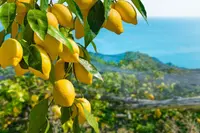
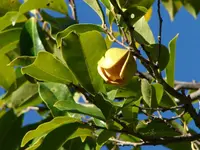
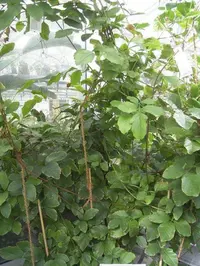
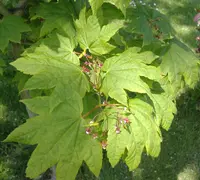
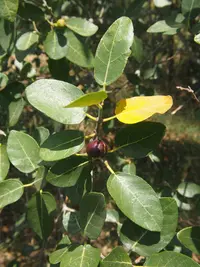
Sandpaper fig, Ficus opposita, is a small tree or large shrub known for its rough, sandpaper-like leaves and small, rounded figs. It belongs to the fig family, Moraceae, and has a naturally bushy, spreading habit.

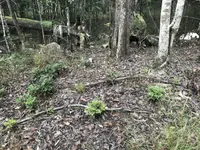
This species is native to northern Australia, where it grows in open woodlands, along creek lines, and on rocky slopes. In cultivation it is usually grown outdoors in warm climates, but young plants can be kept in large containers for a time.

Its toughness, drought tolerance once established, and ability to cope with poorer soils make it easier to grow than many tropical figs. Understanding how to care for Sandpaper Fig mainly involves providing sun, free-draining soil, and moderate moisture without long periods of waterlogging.

Main Plant Requirements

Care Difficulty

Moderate Care

Light Preference

Partial Sun

Water Requirements

Moderate Water

Temperature Preference

Warm Climate

Hardiness Zone

10–12

Soil Texture

Sandy, Loamy, Organic-rich

Soil pH

Acidic (5.5–6.5), Slightly acidic (6.5–7.0)

Soil Drainage

Well-drained

Fertilization

Minimal (feed rarely)

Get Personalized Care Plan

Scan your plant to receive care tips personalized for your specific plant

Available on iOS and Android

How to Care for the Sandpaper Fig

This species prefers bright, open conditions typical of its native Australian habitats.

  • Provide 4–6 hours of direct morning sun with bright light the rest of the day; young Sandpaper Fig plants benefit from some light afternoon shade in hot summers.
  • Tolerates light to partial shade, but dense shade leads to leggy growth, sparse foliage, and slower development of the rough, sandpapery leaves.
  • In very hot climates, protect from intense afternoon sun to reduce leaf scorch, especially during dry periods, while in cooler seasons allow more direct light.

Watering should maintain steady moisture without saturating the root zone.

  • Allow the top 3–5 cm of soil to dry before watering; in warm growing seasons this may happen every few days in sandy soil, but less often in heavier loam.
  • Ensure sharply drained soil so excess water runs off quickly; persistent wetness, sour smell, or yellowing, soft leaves indicate overwatering and risk of root rot.
  • Slight afternoon wilting that recovers by evening or crisp leaf edges suggests underwatering; increase watering depth during hot, dry weather and reduce during cool seasons.

This species favors warm, frost‑free conditions similar to subtropical climates.

  • Optimal growth occurs around 70–85°F (21–29°C), where Ficus opposita maintains active shoot and root growth and develops dense foliage.
  • Tolerates short hot spells up to about 100°F (38°C) if soil moisture is adequate and roots are mulched, but prolonged extreme heat may cause leaf scorch and stress.
  • Avoid frost entirely; damage often begins near 32°F (0°C), and plants are best kept above 45°F (7°C) in winter to protect young shoots and fine feeder roots.

This species handles a wide humidity range but benefits from slightly moist air in heated homes.

  • Aim for 40–60% humidity; the Sandpaper Fig tolerates brief dips lower but may drop some leaves.
  • Crisping leaf edges, slow new growth, and repeated leaf shed during dry spells indicate humidity stress rather than watering issues.
  • Increase humidity with grouped plants, a water-filled pebble tray under the pot, or a room humidifier rather than misting foliage.

Ficus opposita prefers a fast-draining, slightly sandy mix that still holds moderate moisture.

  • Use a mix of roughly 50% all-purpose potting mix, 25% coarse sand, and 25% fine bark or perlite for structure and drainage.
  • Target a slightly acidic to neutral pH around 6.0–7.0, which supports nutrient availability and stable root function.
  • Ensure the mix feels loose and crumbly; avoid compacted or clay-heavy soils that stay wet and exclude air around the roots.
  • Improve drainage in heavy garden soil by raising the planting area, adding coarse sand and fine gravel, and avoiding low spots where water collects.

This species adapts well to container growing when given a stable, well-drained setup.

  • Select a wide, heavy pot that resists tipping as the woody canopy becomes broader and top-heavy over time.
  • Choose a container material with moderate porosity, such as thick terracotta or concrete, to balance moisture retention with evaporative cooling of roots.
  • Maintain a deep, free-draining substrate column so thicker structural roots can anchor firmly without sitting in perched water at the pot base.

Ficus opposita responds well to modest feeding when grown in containers or as a young landscape tree.

  • Use a balanced NPK fertilizer (such as 10-10-10) or slow-release pellets at the start of the growing season.
  • Feed every 6–8 weeks in spring and summer, at half the label strength to avoid salt buildup.
  • Reduce or stop fertilization in fall and winter when growth slows significantly.
  • For long-term Sandpaper Fig health outdoors, light compost around the root zone once a year is sufficient.

Pruning helps manage size and structure of Ficus opposita, especially in gardens and larger containers.

  • Carry out main pruning in late winter or early spring before vigorous new growth starts.
  • Remove dead, diseased, crossing, or inward-growing branches to improve airflow and light penetration.
  • Shorten overly long shoots to shape the canopy and encourage a stronger, more balanced framework.
  • Use clean, sharp bypass pruners and make cuts just above a node or branch junction to promote proper healing.

This species is usually grown in-ground, so focus on careful transplanting rather than frequent repotting.

  • Transplant Ficus opposita in late winter or early spring when temperatures are mild and growth is about to resume.
  • Look for signs such as roots circling the planting hole, slow growth, or plants outgrowing their space before moving.
  • Lift with as much rootball as possible, keep roots shaded and moist, and replant at the same soil depth to reduce stress.
  • Water deeply after transplanting, apply a 5–8 cm mulch ring, and keep soil evenly moist while new roots establish.

Ficus opposita is usually propagated by semi-hardwood cuttings or seeds under warm, stable conditions.

  • Take semi-hardwood stem cuttings in late spring or early summer, 10–15 cm long with several nodes.
  • Remove lower leaves, dip the cut end in rooting hormone, and insert into a free-draining mix kept at 70–80°F.
  • Maintain high humidity with a clear cover and bright, indirect light until firm roots form.
  • Sow fresh seed on the surface of a light seed mix, barely cover, and keep evenly moist and warm for germination.

This warm-climate fig has low frost tolerance and needs some winter planning outside mild regions.

  • In-ground plants in frost-free areas usually need no special winter protection beyond normal mulching.
  • Where light frost occurs, add a 5–8 cm organic mulch layer to insulate the root zone.
  • In colder climates, grow in large containers and move plants indoors or into a greenhouse before temperatures drop near freezing.
  • Avoid heavy pruning late in the season so new, tender shoots are not exposed to the first frosts.

Care Tips

Early structure training

During the first 2–3 years, select 1–3 strong leaders and remove low, crossing, or inward-growing shoots to create a clear framework that will better support the plant as it matures.

Wind and root anchoring

In exposed sites, use 2–3 low, flexible stakes for the first 1–2 years and gradually loosen ties to encourage strong root development and a stable trunk rather than long-term support dependence.

Controlled size management

In smaller gardens, tip-prune new extension growth by 5–10 cm once or twice a year rather than making heavy cuts, which reduces stress and encourages a dense, manageable canopy for growing Sandpaper Fig.

Fruit and leaf cleanup

Regularly collect fallen fruit and older rough leaves from the soil surface to lower pest pressure, reduce fungal spore build-up, and keep the root zone better aerated.

Wildlife and sap handling

When working around the plant, wear gloves and long sleeves to avoid skin irritation from latex sap, and position the tree where birds and other wildlife feeding on fruit will not cause issues over walkways or parked cars.

Common Pests and Diseases

Fig leaf beetle

This pest often attacks young foliage, chewing irregular holes and sometimes skeletonizing leaves on wild and cultivated sandpaper fig plants. Symptoms include ragged leaf edges, reduced leaf area, and heavy feeding on new growth.

Solution

Hand-pick adult beetles and larvae from reachable branches and drop them into soapy water, and prune heavily infested twigs where practical. For repeated attacks, use a targeted insecticide containing spinosad or pyrethrins according to label directions, and encourage predatory insects by avoiding broad-spectrum chemicals.

Fig psyllid

These insects feed on sap and cause leaf curling, distortion, and sticky honeydew on foliage, especially on sheltered, softer growth. Sooty mold can develop on the honeydew, making leaves look blackened and dull.

Solution

Rinse foliage thoroughly with a strong but controlled stream of water to remove nymphs and honeydew, repeating weekly during active infestations. If pressure stays high, apply a horticultural oil or insecticidal soap to the undersides of leaves, ensuring good coverage while avoiding spraying in direct hot sun.

Scale insects

This pest forms small, dome-shaped bumps on stems and leaf veins, feeding on sap and weakening the plant over time. Symptoms include sticky honeydew, sooty mold growth, and gradual yellowing of foliage.

Solution

Scrape or rub off individual scales from stems and branches with a gloved hand or soft brush, and prune heavily infested twigs. Treat remaining colonies with horticultural oil, ensuring thorough coverage of stems and leaf undersides, and repeat applications every 7–14 days until new crawlers are controlled.

Rust

This disease produces small yellow to orange spots on the upper leaf surface and powdery orange-brown pustules underneath. Symptoms include premature leaf drop, especially in humid or shaded locations.

Solution

Remove and dispose of affected leaves from the plant and ground to reduce spore levels, and avoid overhead watering to keep foliage dry. Improve airflow by thinning crowded branches, and if needed apply a labeled copper or sulfur fungicide at the first sign of new spots, repeating as directed during humid periods.

Fungal leaf spot

This disease causes small water-soaked lesions that enlarge into brown or dark spots, often with a yellow halo, on the sandpaper-like leaves. Severe infections can lead to extensive spotting and early leaf drop, especially in warm, wet conditions common when growing Sandpaper Fig in sheltered sites.

Solution

Promptly prune and discard heavily spotted leaves and any dense inner branches that trap humidity, disinfecting pruning tools between cuts. Water at soil level, keep foliage dry, and if spotting continues, use a broad-spectrum ornamental fungicide according to label directions until new growth emerges clean.

Interesting Facts

Sandpaper leaf texture

The leaves of Ficus opposita have a noticeably rough, abrasive surface, which has led to the common name sandpaper fig and is thought to help reduce herbivore feeding and increase resistance to wear in exposed habitats.

Specialist fig wasp partner

Like other figs, Ficus opposita relies on a highly specific fig wasp for pollination; the wasp can complete its life cycle only inside this species’ fig fruits, creating a strict one-to-one mutualism in its native range.

Riparian habitat specialist

In northern Australia this species is commonly found along riverbanks, floodplains, and seasonal watercourses, where it tolerates periodic flooding and shifting, sandy or gravelly soils.

Botan icon

Did you know?

In parts of its native Australian range, the rough leaves and branches of Ficus opposita have been traditionally used as a natural abrasive surface, for example to smooth wooden tools, taking advantage of the leaf’s sandpaper-like texture.

FAQs about Sandpaper Fig

Growth is moderately fast in warm climates. Young plants can add 30–60 cm per year under good conditions, slowing as they mature. Adequate moisture, space, and soil fertility significantly increase annual extension growth and trunk thickening.

Grow Healthy Plants with Botan Care

Keep your plants happy and healthy with plant identification, disease detection, and easy care guidance.

Botan plant care app — identify plants on mobile

Explore More Plants