guarana Care (Paullinia cupana)

guarana

About guarana

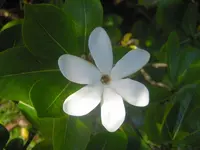
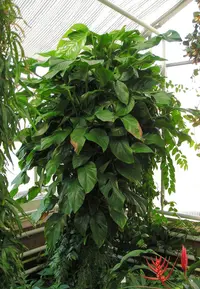
Guarana, Paullinia cupana, is a vigorous woody vine native to the Amazon rainforest. It belongs to the soapberry family and is best known for its caffeine-rich seeds. In cultivation it forms twining stems with glossy green leaves and small white flowers that develop into bright red fruits with black seeds partly exposed. This gives the plant a distinctive ornamental value in warm climates. Guarana prefers consistently warm, humid conditions, fertile well-drained soil, and bright light with some protection from intense midday sun. Its fast growth, need for support, and sensitivity to cold make care for guarana more suitable for dedicated growers than casual beginners.

Main Plant Requirements

Care Difficulty

Hard Care

Light Preference

Full Sun

Water Requirements

Keep Soil Moist

Temperature Preference

Tropical / Frost Sensitive

Hardiness Zone

11–12

Soil Texture

Loamy, Sandy, Organic-rich

Soil pH

Acidic (5.5–6.5)

Soil Drainage

Moist but well-drained

Fertilization

Moderate (every 2–4 weeks)

Get Personalized Care Plan

Scan your plant to receive care tips personalized for your specific plant

Available on iOS and Android

How to Care for the guarana

This tropical climber needs bright, warm conditions with protection from harsh midday sun.

  • Provide 4–6 hours of gentle direct light, ideally morning sun, plus bright filtered light for the rest of the day.
  • Tolerates light partial shade, but flowering and fruiting of guarana decrease if it receives less than 4 hours of sun.
  • Avoid intense afternoon sun that scorches leaves; in hot summers, use 30–40% shade cloth or plant where taller trees provide dappled shade.

This species prefers evenly moist, fast-draining soil without long dry or soggy periods.

  • Water when the top 2–4 cm of soil feels slightly dry, then soak thoroughly so excess drains away.
  • Increase frequency in hot, active growth periods and reduce slightly in cooler seasons while never letting the root zone dry completely.
  • Watch for yellowing, soft leaves and a sour smell as signs of overwatering, and for dull, curling leaves and slow growth as signs of underwatering in Paullinia cupana.

This tropical vine needs consistently warm, frost-free conditions to grow well.

  • Aim for 70–86°F (21–30°C) for active growth; growth slows noticeably below 68°F (20°C).
  • Protect from temperatures below 50°F (10°C); light chill stunts new shoots and any frost can kill young stems and leaves.
  • Tolerates short heat spikes up to 95°F (35°C) if soil moisture is maintained and roots are shaded, but prolonged extremes reduce flowering and fruiting.

This species prefers moderately high, stable humidity to support vigorous vine growth.

  • Aim for 60–80% humidity; guarana tolerates brief dips to 50% but growth slows in drier air.
  • Watch for crisp leaf edges, curling, and stalled new growth as signs of humidity stress.
  • Increase humidity with grouped plants, a nearby room humidifier, or a wide pebble tray placed directly under the container.

Paullinia cupana needs deep, loose, moist but sharply draining soil to support fast root and shoot growth.

  • Use a loamy, organic-rich base such as equal parts peat or coco coir, compost, and fine bark for structure and moisture retention.
  • Improve drainage and aeration by adding 20–30% perlite or coarse sand so water drains within a few minutes after thorough watering.
  • Keep pH slightly acidic, roughly 5.5–6.5, avoiding strongly alkaline mixes that lock up iron and other micronutrients.
  • Avoid compacted, heavy clay or mixes that stay wet for many hours, which quickly promote root rot in this species.

This species can adapt well to container growing when its vining habit and root needs are considered.

  • Choose a tall, heavy container to counterbalance the climbing top growth and reduce tipping in wind or when the vine is trained upward.
  • Provide a sturdy trellis or frame anchored in the pot so stems do not wrench the root ball as they gain weight.
  • Select a pot material with moderate moisture retention, such as thick plastic or glazed clay, to keep the root zone evenly moist between waterings.

This tropical vine responds well to modest, consistent feeding during active growth.

  • Use a balanced liquid fertilizer (e.g., 10-10-10) at 1/4–1/2 strength every 2–4 weeks in spring and summer.
  • Alternatively, apply a slow-release balanced fertilizer or a thin layer of mature compost at the start of the growing season.
  • Skip or greatly reduce feeding in fall and winter when growth slows, especially in cooler conditions.
  • Flush the pot or soil occasionally with plain water to limit salt buildup and root stress when caring for guarana.

Paullinia cupana benefits from light, structured pruning to manage vigor and encourage flowering wood.

  • Schedule main pruning at the end of the dry or cool season, just before active growth resumes.
  • Remove dead, diseased, or storm-damaged stems first using clean, sharp bypass pruners.
  • Thin crowded or tangled shoots to open the canopy, improving air movement and light penetration.
  • Shorten overly long vines to maintain desired size and support branching along the framework.

This vigorous climber is usually grown in the ground but may need occasional transplanting or pot-ups when container-grown.

  • Plan major transplanting or repotting for late spring, once temperatures stay reliably warm.
  • Check for roots circling the container, emerging from drainage holes, or slowed top growth as signs it needs more space.
  • Shift to a pot 1–2 sizes larger or into open ground, using a well-drained, organic-rich mix and keeping the root ball intact.
  • Water thoroughly after planting, shade lightly for several days, and keep soil evenly moist to limit transplant shock.

Paullinia cupana is most often propagated from seeds but can also be started from semi-ripe cuttings under warm, humid conditions.

  • Sow fresh seeds in late spring in a sterile, free-draining mix, keeping 75–85°F and consistently moist but not waterlogged.
  • Lightly scarify or soak seeds for several hours to improve germination speed and uniformity.
  • Take semi-ripe stem cuttings with 2–3 nodes, remove lower leaves, and treat the base with rooting hormone.
  • Place cuttings in high humidity with bright, filtered light and bottom warmth until firm new growth appears.

This species is frost-sensitive and needs warm, protected conditions in regions with cool or freezing winters.

  • Maintain minimum temperatures above 50–55°F; plants experience damage at or near freezing.
  • Move container plants indoors or into a heated greenhouse before the first frost forecast.
  • In mild climates, apply 5–8 cm of organic mulch around the root zone, keeping it slightly away from the stem.
  • Reduce watering in winter, allowing the top layer of soil to dry slightly between waterings to avoid root rot in cool conditions.

Care Tips

Provide climbing structure

Install a sturdy trellis, wire mesh, or horizontal wires early so vines can be tied and trained upward, which improves light exposure, air movement, and future fruiting wood formation.

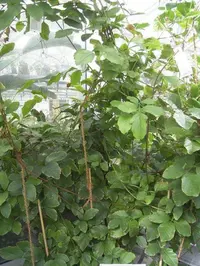
Train and renew vines

Select 2–3 main stems and loosely tie them to the support, then regularly remove weak, tangled, or downward-growing side shoots to keep the canopy open and direct energy to productive growth.

Use mulching strategically

Apply a 5–8 cm layer of organic mulch, such as shredded bark or coarse compost, keeping it a few cm away from the stems to stabilize soil moisture, reduce weed competition, and protect shallow feeder roots.

Plan for seasonal protection

In marginal climates, grow plants in large containers that can be moved to a sheltered, bright space during cool months, or set up frost cloth and windbreaks in advance to prevent cold damage to young vines.

Monitor pods for harvest

Once plants mature, inspect clusters frequently and harvest capsules when they turn bright red and begin to split, which preserves seed quality and encourages continued productivity when growing guarana.

Common Pests and Diseases

Guarana witch’s broom

This disease causes dense, broom-like clusters of thin shoots, leaf deformation, and a dramatic reduction in flowering and fruiting. Symptoms include many small leaves, shortened internodes, and an overall bushy, stunted appearance.

Solution

Prune out all affected shoots well below visible symptoms and destroy the material, then disinfect tools after cutting. Maintain good plant vigor with balanced nutrition, control nearby weed hosts, and if the problem is severe or persistent, replace heavily affected plants with certified healthy stock in a new, well-managed site.

Brown leaf spot

This disease produces round to irregular brown lesions on leaves, often with darker margins and a lighter center, which can merge and cause premature leaf drop. Symptoms include thinning foliage and reduced plant vigor, especially in warm, humid conditions.

Solution

Remove and destroy heavily spotted leaves to reduce the source of spores, and avoid overhead watering that keeps foliage wet for long periods. Improve airflow with sensible pruning and spacing, and in high-value plantings use a labeled copper- or chlorothalonil-based fungicide preventively during wet periods if cultural measures are not enough.

Anthracnose

This disease creates dark, sunken lesions along leaf veins, young stems, and sometimes fruit pedicels, leading to leaf distortion and dieback of tender growth. Symptoms include irregular necrotic patches that may coalesce, giving leaves a scorched appearance.

Solution

Cut and discard infected shoots and leaves, cutting back into healthy tissue, and keep the area around the plant free of fallen debris. Improve drainage and airflow, avoid wetting foliage late in the day, and in areas where anthracnose is recurrent, apply a suitable preventive fungicide at the start of humid, rainy periods according to label directions for Paullinia cupana care.

Guarana vein mosaic

This viral disease causes light and dark green mosaic patterns along the leaf veins, leaf narrowing or distortion, and general plant stunting. Symptoms include reduced flowering and lower seed production over time.

Solution

Remove and destroy symptomatic plants early to limit virus spread, and control sap-sucking insects such as aphids that act as vectors. Use only disease-free propagation material, rogue volunteer plants around plantations, and maintain good field hygiene by cleaning tools and avoiding movement of plant sap between plants.

Leaf-chewing caterpillars

These insects feed on young leaves and shoots, leaving irregular holes or almost completely skeletonized foliage, and can defoliate young plants quickly. This pest is most damaging during warm, rainy periods when tender growth is abundant.

Solution

Hand-pick and destroy visible caterpillars on smaller plantings and inspect new growth frequently. Encourage natural enemies by limiting broad-spectrum insecticides, and when damage is extensive, use a targeted biological product such as Bacillus thuringiensis (Bt) on young larvae, ensuring thorough coverage of the foliage.]},

Interesting Facts

Highest natural caffeine

The seeds of this species have one of the highest naturally occurring caffeine contents among plants, typically exceeding that of coffee beans by weight, along with related stimulants like theobromine and theophylline.

Eye-like seed pattern

When the orange to red fruit splits open, it reveals shiny black seeds partly covered by a white aril, creating a striking pattern that resembles an eyeball and has influenced local folklore in the Amazon.

Amazonian domestication history

Indigenous communities in the central Amazon, especially the Sateré-Mawé people, domesticated this vine long before European contact and developed complex methods for drying, roasting, and shaping the seeds into portable cylinders used to prepare drinks.

Botan icon

Did you know?

Genetic studies show that most cultivated guarana plants descend from a relatively small number of domesticated lineages in the central Amazon, indicating an ancient, localized domestication event that later spread widely through the region.

FAQs about guarana

Yellowing leaves usually result from root stress, often due to waterlogged soil or nutrient imbalance, especially nitrogen or iron deficiency. Check drainage, let excess moisture escape, then adjust fertilization with a balanced, dilute formula and monitor new growth.

Grow Healthy Plants with Botan Care

Keep your plants happy and healthy with plant identification, disease detection, and easy care guidance.

Botan plant care app — identify plants on mobile

Explore More Plants