Early structural training
In the first 2–3 years, select 3–5 strong scaffold branches and remove competing, tightly upright shoots to create an open, well-spaced framework that can support future pod loads without breaking.

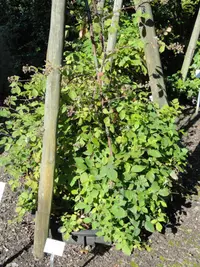
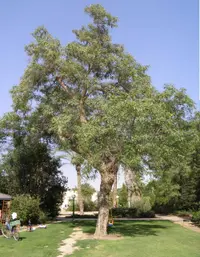
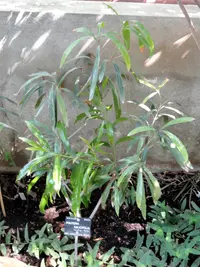
Mountain ice-cream-bean (Inga densiflora) is a fast-growing tropical tree in the legume family, valued for its shade and edible, sweet pulp around the seeds. It typically forms a spreading canopy with feathery, compound leaves and long, pod-like fruits that resemble other ice-cream-bean species.
This species occurs naturally in montane regions of Central and South America, often along forest edges and riverbanks. Its rapid growth, nitrogen-fixing roots, and tolerance of pruning make it relatively easy to manage in suitable climates.
Those who care for mountain ice-cream-bean should note that it prefers warm conditions, good light, regular moisture, and well-drained soil, but does not tolerate hard frost.

Care Difficulty
Moderate Care

Light Preference
Full Sun

Water Requirements
Regular Water

Temperature Preference
Tropical / Frost Sensitive

Hardiness Zone
10–12

Soil Texture
Loamy, Sandy, Organic-rich

Soil pH
Acidic (5.5–6.5), Slightly acidic (6.5–7.0)

Soil Drainage
Moist but well-drained

Fertilization
Minimal (feed rarely)
Scan your plant to receive care tips personalized for your specific plant
Available on iOS and Android
This fast-growing tropical tree needs bright outdoor light to fuel canopy and pod production.
This species prefers evenly moist but aerated soil, not prolonged drought or standing water.
This lowland tropical tree thrives in warm, frost-free climates with stable temperatures.
This species prefers moderately high humidity but tolerates short dry spells once established.
Inga densiflora thrives in deep, loose, moisture-retentive but well-drained soil.
This species can be grown in large containers when space or climate limits in-ground planting.
Inga densiflora benefits from moderate feeding in containers or nutrient-poor soils, but mature trees in rich ground often need little extra fertilizer.
Pruning helps maintain a healthy, manageable canopy on Inga densiflora, especially in smaller gardens or orchards.
This species is usually grown in the ground, so focus on careful transplanting from nursery containers to permanent sites.
New plants are most often raised from seed, as this is the most reliable way to propagate Inga densiflora at scale.
This is a frost-sensitive tropical tree that needs protection in regions with cool or cold winters.

Plant Health Check
Not sure what's wrong with your plant? Check your plant's health inside the app.
This species is naturally found in humid Andean foothills and cloud-forest margins from about 1,000–2,000 m elevation, where it tolerates cooler, misty conditions better than many other ice-cream-bean relatives.
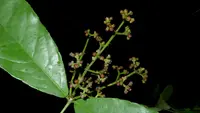
Its inflorescences form tight clusters of white, brush-shaped flowers rich in nectar, which strongly attract bats, bees, and other pollinators in its native range.
Like other members of the legume family, it forms root nodules with symbiotic bacteria that fix atmospheric nitrogen, improving soil fertility and supporting mixed agroforestry systems with coffee and other crops.

In traditional agroforestry in parts of Colombia and Ecuador, this species is deliberately pruned and managed as a living shade tree over coffee, creating a cooler understory microclimate while providing edible pods and organic matter from its leaf litter.
This species is generally fast-growing under warm, frost-free conditions, often adding 60–150 cm of height per year. Growth slows in cooler climates, poor soil, or if rootbound in containers, and increases with consistent moisture and nutrients.
Keep your plants happy and healthy with plant identification, disease detection, and easy care guidance.