


Rotate For Symmetry
Turn the pot 90° every 1–2 weeks so the foliage develops an even dome shape and stems do not lean permanently toward the light source.

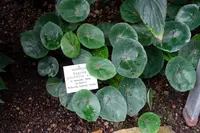
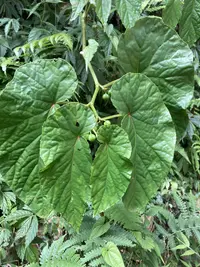
Begonia conchifolia, often called zip begonia, is a compact rhizomatous begonia grown mainly for its rounded, glossy green leaves. It usually forms a low, tidy clump that suits windowsills, small indoor displays, and shaded outdoor containers in mild climates.
This species comes from humid tropical forests of Central America, so it is adapted to warm, sheltered, understory conditions. Small clusters of light-colored flowers appear above the foliage, but the leaves remain the main feature.
Its moderate growth rate, preference for stable indoor conditions, and tolerance of typical household humidity make it reasonably manageable for most home growers. Understanding how to care for zip begonia focuses on providing bright, indirect light, lightly moist but airy soil, and protection from cold drafts.

Care Difficulty
Moderate Care

Light Preference
Bright Indirect Light

Water Requirements
Moderate Water

Temperature Preference
Tropical / Frost Sensitive

Hardiness Zone
10–11

Soil Texture
Loamy, Peaty, Organic-rich

Soil pH
Acidic (5.5–6.5), Slightly acidic (6.5–7.0)

Soil Drainage
Moist but well-drained

Fertilization
Light (every 4–6 weeks)
Scan your plant to receive care tips personalized for your specific plant
Available on iOS and Android
Begonia conchifolia thrives in bright, filtered light that mimics a forest understory.
Begonia conchifolia prefers evenly moist but never saturated soil.
This species thrives in stable, warm conditions similar to a tropical understory.
This species prefers moderately high, stable humidity to keep leaves smooth and blemish-free.
Begonia conchifolia grows best in a loose, airy, organic-rich mix that drains quickly yet holds even moisture.
This compact species is very suitable for container growing.
Begonia conchifolia responds well to modest feeding during active growth in spring and summer.
Begonia conchifolia benefits from light, periodic pruning to keep a compact, healthy shape.
This species prefers slightly snug pots and only occasional repotting when clear signs of crowding appear.
This begonia is commonly propagated from stem cuttings or by careful division of mature clumps.
This tropical begonia is frost sensitive and needs mild, protected conditions during winter.

Plant Health Check
Not sure what's wrong with your plant? Check your plant's health inside the app.
This species naturally develops round, slightly cupped leaves that resemble small shells, which is reflected in the name conchifolia, meaning shell-leaved.
The undersides of the leaves often show a distinct red flush due to anthocyanin pigments, which help protect the foliage from excess light in its native shaded habitats.
This begonia is native to humid forest regions of Central America, especially Costa Rica and Panama, where it grows on the forest floor in filtered light and high air humidity.

In its native range, this species often grows on mossy rocks and tree bases rather than in deep soil, showing a natural tendency toward shallow, well-aerated rooting conditions that informs practical Begonia conchifolia plant care under cultivation.
Brown leaf edges or spots usually result from low humidity, irregular watering, or fertilizer burn. Check soil moisture, flush excess salts occasionally, and keep foliage dry during watering to reduce leaf damage and secondary fungal problems.
Keep your plants happy and healthy with plant identification, disease detection, and easy care guidance.

Blue False Indigo
Baptisia australis
big cypress star orchid
Epidendrum strobiliferum
 POPULAR
Gold dust dracaena
Dracaena surculosa
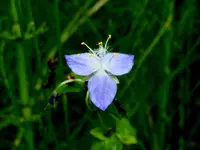
Elasis guatemalensis
Elasis guatemalensis
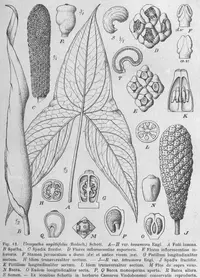
Urospatha sagittifolia
Urospatha sagittifolia
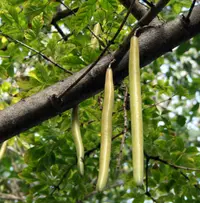
candle tree
Parmentiera cereifera
Epidendrum difforme
Epidendrum difforme
Begonia longifolia
Begonia longifolia