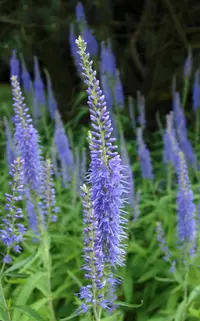
Blue False Indigo Care (Baptisia australis)

Also known as: blue false indigo, tall blue wild indigo, wild false indigo
Blue False Indigo

About Blue False Indigo

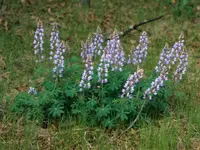
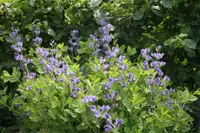
Blue false indigo, Baptisia australis, is a long-lived herbaceous perennial from North America, often used in sunny borders and prairie-style plantings. It forms a sturdy clump with blue-green, trifoliate leaves and tall flower spikes of indigo-blue pea-like blooms in late spring. After flowering, it develops decorative, dark seed pods that add structure and winter interest. This species has a deep, extensive root system, which makes it drought-tolerant once established but slow to settle in after planting. It is generally low-maintenance, which helps simplify how to care for Blue False Indigo in average, well-drained soil with full sun and moderate moisture.

Main Plant Requirements

Care Difficulty

Easy Care

Light Preference

Full Sun

Water Requirements

Low Water

Temperature Preference

Cold Hardy

Hardiness Zone

3–9

Soil Texture

Sandy, Loamy, Clay

Soil pH

Slightly acidic (6.5–7.0), Slightly alkaline (7.0–7.5)

Soil Drainage

Well-drained

Fertilization

Minimal (feed rarely)

Get Personalized Care Plan

Scan your plant to receive care tips personalized for your specific plant

Available on iOS and Android

How to Care for the Blue False Indigo

This sun-loving perennial forms strongest stems and best blooms with abundant direct light.

  • Provide 6–8 hours of direct sun daily; morning and early afternoon sun produce compact, sturdy growth and abundant flowers.
  • Blue False Indigo tolerates light afternoon shade, especially in hot climates, but too much shade causes lanky stems, fewer blooms, and leaning toward brighter areas.
  • Avoid dense shade from trees or buildings; in such sites, relocate to a more open, south- or west-facing bed during the next dormant season.

This deep-rooted prairie plant prefers infrequent, thorough watering once established.

  • For in-ground Baptisia australis, allow the top 5–8 cm of soil to dry between waterings; in most climates this means only during extended dry spells.
  • Use sharply draining soil; puddling for more than 30–60 minutes after watering indicates poor drainage and raises risk of root rot and yellowing foliage.
  • Signs of underwatering include premature leaf drop and crispy edges, while overwatered plants show limp, yellowing leaves and blackened stem bases.

This cold-hardy perennial thrives in temperate climates with distinct seasons.

  • Active growth is strongest at 65–80°F (18–27°C); spring warmth in this range supports sturdy stems and flower spike formation.
  • Dormant crowns tolerate winter lows near -20°F (-29°C) in well-drained soil, but newly planted specimens benefit from mulch in their first 1–2 winters.
  • During summer heat above 90°F (32°C), plants usually tolerate conditions if roots stay cool; light afternoon shade and mulch help prevent stress and leaf scorch.

Humidity is not a significant factor for Baptisia australis, which thrives in typical outdoor air conditions.

Baptisia australis prefers deep, well-drained soil that does not stay wet after rainfall or irrigation.

  • Use a moderately loose loam or sandy loam with some organic matter to support long-lived, deep roots.
  • Aim for slightly acidic to neutral pH around 6.0–7.5, adjusting with garden lime or sulfur if a soil test shows extremes.
  • Improve drainage and aeration by incorporating coarse sand or fine gravel into heavy or compacted clay before planting.
  • Avoid low-lying, waterlogged, or constantly irrigated spots, which promote root rot and shorten plant lifespan.

This species is generally not suitable for long-term container growing due to its large, deep taproot and mature size.

This deep-rooted North American native needs minimal feeding, so focus on soil health rather than frequent fertilizer applications when caring for Blue False Indigo.

Baptisia australis benefits from light, well-timed pruning mainly to maintain structure and remove decline rather than to control size.

  • Cut back spent flower spikes in late spring or early summer to keep the plant tidy and encourage a denser mound.
  • In late fall or very early spring, shear or cut stems to just above ground level using clean, sharp pruners.
  • Remove dead, damaged, or crossing stems at the base to reduce disease risk and improve airflow.
  • Avoid hard midseason cutting into green growth, which can spoil the natural vase shape and reduce flowering.

This species forms a deep taproot, so it is usually transplanted only once, early in its life, and rarely grown long term in containers.

  • Transplant in early spring or early fall when temperatures are mild and soil is workable.
  • Look for signs such as roots circling a nursery pot or very slow growth despite good care before moving it.
  • Choose a permanent sunny spot, dig a wide hole, and disturb the root ball as little as possible to limit taproot damage.
  • Water deeply after planting, then keep soil evenly moist for several weeks to reduce transplant shock and support establishment.

New plants are typically raised from seed because established clumps of this perennial resent disturbance and division.

  • Sow ripe or stored seeds in fall outdoors or in late winter under cold stratification at 35–40°F for 6–8 weeks.
  • Lightly scarify hard seed coats with sandpaper before sowing to improve water uptake and germination.
  • Use a well-drained, low-fertility mix, keep evenly moist, and provide bright light as seedlings emerge.
  • Division of older clumps in early spring is possible but stressful; divide only small, younger plants and replant immediately.

This hardy perennial survives typical USDA zone 3–9 winters in open ground with almost no special care.

  • After frost blackens foliage, allow stems to die back, then cut them to ground level once fully dry.
  • Apply a light 5–7 cm mulch layer over the root zone in late fall, especially in exposed or newly planted sites.
  • Container-grown plants are less insulated; overwinter them in an unheated garage or against a sheltered wall to moderate temperature swings.

Care Tips

Early-season staking

Install low, discreet ring stakes or short peony-style supports around new shoots in early spring so the mature clump stays upright and resists splitting after heavy rain or wind.

Skip midseason moving

Choose a permanent site at planting because the deep taproot resents disturbance; avoid dividing or transplanting established plants unless absolutely necessary, as recovery is slow and often unsuccessful.

Use minimal mulch

Apply only a thin 2–3 cm layer of coarse mulch, keeping it a few cm away from the crown, to suppress weeds without holding excess moisture against the base of the plant.

Leave winter stems

Allow seed pods and stems to stand over winter to protect the crown and provide structure, then cut them back at ground level in late winter before new shoots emerge.

Root-zone weed control

Hand-weed carefully around the base instead of deep hoeing to avoid damaging the taproot system, which is critical for long-term vigor when growing Blue False Indigo.

Common Pests and Diseases

Lupine bug

This pest is a seed-feeding true bug that targets members of the pea family, including wild indigo, and can reduce seed production. Symptoms include clusters of grayish to brown bugs on seed pods and shriveled or poorly formed seeds.

Solution

Hand-pick and crush or drop bugs into soapy water when populations are low, focusing on seed pods and stems. For larger infestations, consider shaking bugs off into a container in early morning when they are sluggish, and remove spent seed pods to reduce future populations while maintaining enough pods if seed saving is desired for growing Baptisia australis.

Weevils

These insects, especially pea and seed weevils, chew on foliage and developing seeds and their larvae may feed inside pods. Symptoms include notched leaf edges, small holes in seed pods, and reduced viable seed.

Solution

Inspect plants regularly and hand-pick adult weevils in the evening or early morning, dropping them into soapy water. Remove and dispose of heavily damaged or infested seed pods at the end of the season to interrupt the life cycle, and encourage natural predators by maintaining plant diversity around the bed.

Fusarium wilt

This disease is caused by soilborne fungi that invade the vascular system, interfering with water transport. Symptoms include gradual yellowing, wilting, and dieback of stems, often starting on one side of the plant, despite adequate soil moisture.

Solution

Promptly remove and discard affected stems and severely diseased plants, disposing of them in the trash rather than compost. Avoid replanting Baptisia or other susceptible legumes in the same spot for several years, improve drainage and soil structure, and water at the base of the plant to keep foliage dry and support healthier Baptisia australis plant care.

Powdery mildew

This disease appears as a white, powdery coating on leaves, stems, and sometimes flower stalks, more often in crowded or shaded sites. Symptoms include distorted growth and premature leaf drop when infections are severe.

Solution

Improve air circulation by thinning nearby plants and avoid overhead watering to keep foliage dry. Remove and dispose of heavily infected leaves, and if needed, apply a horticultural oil or potassium bicarbonate spray labeled for powdery mildew, following label directions and treating in the evening to avoid leaf burn.

Interesting Facts

Nitrogen-fixing partnership

This species forms root nodules that host rhizobia bacteria, which convert atmospheric nitrogen into forms the plant can use, gradually enriching poor soils over time.

Early spring resource

In its native US prairies and open woodlands, it flowers in late spring and early summer, providing nectar and pollen for early-season bees and other pollinators when few other large perennials are in bloom.

Persistent black seed pods

After flowering, it develops inflated pods that dry to a hard black color and often remain on the stems through winter, where they rattle in the wind and provide shelter for some small insects.

Botan icon

Did you know?

This species is a primary larval host plant for several native butterflies, including the wild indigo duskywing (Erynnis baptisiae), whose caterpillars rely on Baptisia foliage as a key food source in their life cycle.

FAQs about Blue False Indigo

Lack of flowers usually comes from too much shade, overly rich or frequently fertilized soil, or plants that are still immature. This species often takes 2–3 years to bloom reliably after planting or division.

Grow Healthy Plants with Botan Care

Keep your plants happy and healthy with plant identification, disease detection, and easy care guidance.

Botan plant care app — identify plants on mobile

Explore More Plants