Cool rest period
From late fall through winter, provide a distinct cool rest by keeping nights around 50–55°F and days bright but not hot, which promotes stronger spikes and more reliable flowering the next season.

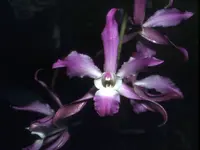
Laelia autumnalis is an epiphytic orchid native to the highlands of Mexico and Central America, where it grows on trees and rocky outcrops. It produces upright canes with narrow leaves and showy fall-blooming flowers, often pink to lavender with a contrasting lip.
This species prefers bright, filtered light, good air movement, and quick-draining orchid media. Its seasonal growth pattern and need for a cooler, drier rest period can make it moderately challenging for beginners. With a basic understanding of how to care for Laelia autumnalis, it can become a reliable and rewarding flowering orchid in a home or greenhouse collection.

Care Difficulty
Moderate Care

Light Preference
Partial Sun

Water Requirements
Moderate Water

Temperature Preference
Tropical / Frost Sensitive

Hardiness Zone
Unknown

Soil Texture
Sandy, Rocky, Organic-rich

Soil pH
Acidic (5.5–6.5)

Soil Drainage
Well-drained

Fertilization
Moderate (every 2–4 weeks)
Scan your plant to receive care tips personalized for your specific plant
Available on iOS and Android
This orchid needs bright light with some protection from intense midday sun.
This species prefers distinct wet and dry cycles rather than constantly moist conditions.
This orchid grows best with moderate days and cooler nights that mimic highland conditions.
This orchid prefers moderately humid air and reacts quickly to dry conditions.
This epiphytic orchid needs a very open, fast-draining, airy medium rather than standard potting soil.
This species is well suited to container growing when the pot and setup support its epiphytic root system.
Nutrient support helps Laelia autumnalis maintain steady growth and flowering in cultivation.
Pruning needs are minimal and focus on cleanliness and flower performance for Laelia autumnalis.
Container-grown plants require periodic repotting to keep Laelia autumnalis vigorous and well aerated.
Division is the standard method for maintaining and increasing Laelia autumnalis plants.
Cool, bright winter conditions with moderate protection support the natural rest period of Laelia autumnalis.

Plant Health Check
Not sure what's wrong with your plant? Check your plant's health inside the app.
This Mexican orchid naturally flowers in autumn and early winter, often around Day of the Dead, when many other orchids are not in bloom, making it valuable for extending the orchid flowering season in collections.
It is native to montane oak and pine-oak forests in central and western Mexico, where it grows as an epiphyte or lithophyte in cool, bright, high-altitude habitats with strong day–night temperature drops.
The flowers are often sweetly scented and show significant natural variation in color and pattern, with forms ranging from pale lilac to deeper magenta and contrasting lips, which has made it a notable parent in orchid breeding.

In parts of Mexico, flowering plants of this species have traditionally been used as seasonal decorations and offerings around autumn religious celebrations, because their natural bloom period coincides closely with those cultural events.
Lack of flowering usually comes from insufficient light, too-warm winter nights, or skipping a brief dry rest after growth finishes. Provide bright conditions, a cooler, drier fall period, and balanced fertilizer during active growth to support buds.
Keep your plants happy and healthy with plant identification, disease detection, and easy care guidance.