Wind exposure planning
Site the plant where strong prevailing winds are filtered by shrubs or fencing, as constant buffeting can shred the foliage and loosen shallow roots in lighter soils.

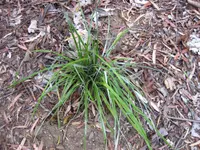
Coastal Astelia (Astelia banksii) is an evergreen, clump-forming perennial native to coastal forests and cliffs of New Zealand. It belongs to a group of grass-like plants valued for bold foliage rather than flowers.
Its arching, sword-shaped leaves create a fountain-like form, often with silvery or grey-green tones that give good contrast in mixed plantings. Plants spread slowly by forming tight clumps rather than running.
In nature it grows in sheltered but bright locations with steady moisture and well-drained, humus-rich soil. These traits guide how to care for Coastal Astelia in gardens or containers.
The plant is generally considered moderately easy to grow if protected from extreme heat, strong drying winds, and prolonged drought.

Care Difficulty
Moderate Care

Light Preference
Partial Shade

Water Requirements
Moderate Water

Temperature Preference
Warm Climate

Hardiness Zone
9–11

Soil Texture
Sandy, Loamy, Organic-rich

Soil pH
Acidic (5.5–6.5), Slightly acidic (6.5–7.0)

Soil Drainage
Moist but well-drained

Fertilization
Minimal (feed rarely)
Scan your plant to receive care tips personalized for your specific plant
Available on iOS and Android
This coastal species prefers bright, cool conditions with some protection from harsh midday sun.
This species prefers consistently moist, free-draining soil without prolonged drying or waterlogging.
This hardy plant prefers mild, maritime-type climates with limited temperature extremes.
This species handles a range of household humidity but benefits from slightly moist air in heated or very dry homes.
Astelia banksii prefers a free-draining, moisture-retentive mix that mimics sandy, organic coastal soils.
This species is suitable for container growing, especially on patios or balconies in mild climates.
Astelia banksii benefits from light, consistent feeding during the growing season but does not need heavy fertilization.
Astelia banksii needs minimal pruning, mainly to keep the clump tidy and remove damaged foliage.
This species is more often transplanted in the landscape than repotted, but container-grown plants may need attention over time.
Astelia banksii is most commonly propagated by division, as seed production and germination are slower and less predictable.
This plant is relatively cold tolerant in mild coastal climates but benefits from simple winter precautions in colder areas.

Plant Health Check
Not sure what's wrong with your plant? Check your plant's health inside the app.
This species is native to New Zealand and is strongly associated with coastal cliffs, rocky slopes, and stream margins, where it tolerates salt-laden winds better than many inland Astelia species.
Unlike some larger Astelia relatives that develop stout trunks, this species forms low, dense clumps of arching leaves, often creating layered mats that stabilize shallow, erosion-prone soils in its native habitat.
Individual plants are either male or female (dioecious), so only female plants produce the characteristic small, fleshy fruits when pollinated by nearby male plants.

In its native range, this species often grows among coastal shrubs and low forest margins, where its silvery-green foliage helps reflect intense coastal light and may reduce leaf temperature and water loss compared with darker-leaved neighbors.
This species is evergreen, keeping its foliage year-round in mild climates. In colder or very exposed sites, some leaf tip damage or partial dieback can occur, but new growth usually replaces older leaves in spring.
Keep your plants happy and healthy with plant identification, disease detection, and easy care guidance.