


7 min read · 6 Aug 2026
Planting Grass Seed in Summer – What Works and What Fails
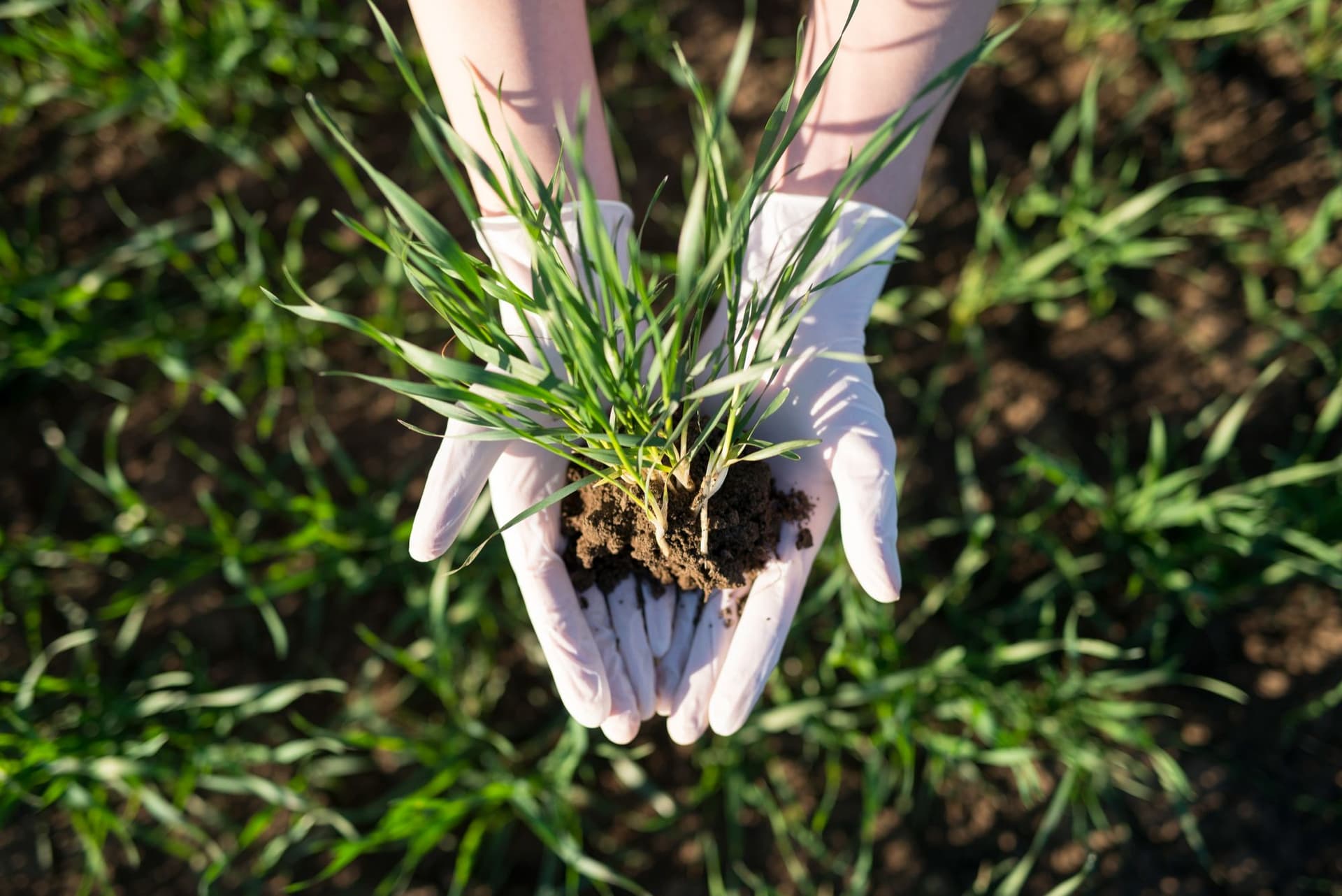
Summer seeding succeeds when the grass type suits the season, and the soil stays moist. Find out how to prepare the seedbed and choose a safe window for planting.

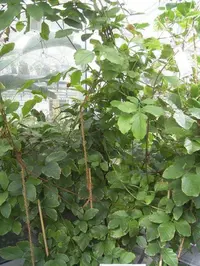
Guarana grows best in full sun to strong partial sun, with bright, warm exposure for steady growth.

Light Preference
Full Sun

Guarana is native to the tropical Amazon basin, where warm conditions and high humidity support vigorous vine-like growth. In habitat and cultivation, it is often found in bright forest edges, clearings, or planted sites rather than deep shade. Young growth may receive filtered light, but established plants tolerate open tropical sun. Its preferred light is full sun to strong partial sun.
Paullinia cupana needs about 6–8 hours of strong light daily, including roughly 4–6 hours of direct sun when acclimated.
Established plants can handle full sun in warm, humid conditions, especially with gradual exposure.
Strong morning sun with bright filtered light later is suitable where afternoon heat is intense.
Shade is not recommended because it usually leads to weak, stretched growth and reduced vigor.
Strong sun can cause stress after sudden exposure.
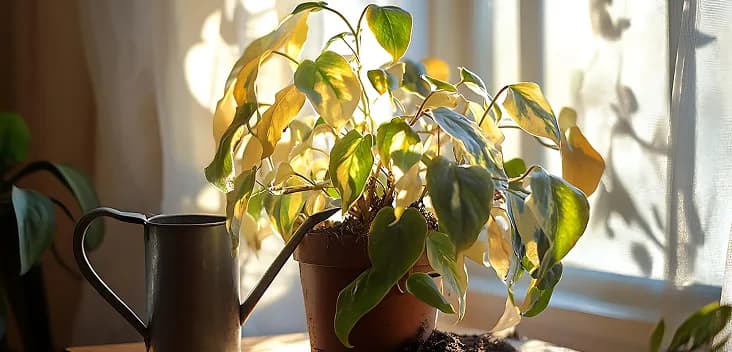
Pale tan or whitish areas may appear on the most exposed leaves, especially after a quick move into full sun.
Dry, papery marks on upper leaf surfaces suggest direct rays were too intense for the current growth.
Leaves may droop or curl during hot afternoon sun even when they look firmer later.
Injury tends to show first on the side facing the strongest light rather than evenly across the plant.
Move it to bright filtered light or morning sun, then increase exposure gradually over 1–2 weeks. Avoid placing tender new growth in harsh afternoon sun.
Low light limits growth in this sun-adapted species.
New shoots may become long and thin, with wider gaps between leaves.
Stems may angle strongly toward the brightest side as the plant tries to reach more light.
Fresh leaves may stay smaller than older ones during the active growing season.
Growth can look open and weak instead of dense and vigorous.
Little new growth in warm months can point to inadequate light when temperatures are suitable.
Move it into stronger sun in stages, starting with morning exposure. Deep shade is not a suitable long-term position for Paullinia cupana.
When ideal full sun is not available, choose the brightest site with several hours of direct morning sun and open sky overhead. Filter harsh afternoon rays with light shade cloth until the plant adjusts.
Rotate container-grown plants every 1–2 weeks so each side receives even exposure. Deep shade is unsuitable because it weakens growth and reduces vigor.

Light Care Advice
Learn what light your plant needs and avoid common lighting mistakes
Scan your plant to receive care tips personalized for your specific plant
This plant does best in full sun to strong partial sun. Aim for bright exposure most of the day, with several hours of direct sun once it is acclimated.
Discover how to care for your plants with Botan.


7 min read · 6 Aug 2026
Summer seeding succeeds when the grass type suits the season, and the soil stays moist. Find out how to prepare the seedbed and choose a safe window for planting.

12 min read · 16 Jul 2026
Mosquitoes on the patio? Gnats in the kitchen? Some plants keep them away with the scent of their own leaves. Here are 20 that deal with mosquitoes, flies, aphids, and more, plus where to put them so they help.
.jpg&w=1920&q=75)
8 min read · 10 Sept 2026
Discover 10 garden flowers that require minimal care. Learn which characteristics make plants easy to grow and follow tips on how to create a beautiful corner from beginner-friendly blooms on your property.