



quince (Cydonia oblonga) Light Needs

quince grows best in full sun, with at least 6 hours of direct light on most days.

Light Preference

Full Sun

Cydonia oblonga Light Requirements

Cydonia oblonga is native to parts of western and central Asia, where it grows in open, sunny woodland margins, slopes, and cultivated landscapes with distinct seasons. In these settings, plants receive strong direct sun for much of the growing season, not dense shade. This background explains why cultivated trees flower and fruit best with open exposure. Preferred light is full sun.

  • Ideal exposure:

    quince needs about 6–8 hours of full sun daily, including at least 6 hours of direct sun.

  • Direct sun:

    Mature plants tolerate full sun well and usually flower and fruit best in open exposure.

  • Partial sun:

    About 4–6 hours of direct sun is tolerated, but blooming and fruit set may be reduced.

  • Weak shade:

    Dense shade is unsuitable because it encourages weaker growth and limits productive flowering.

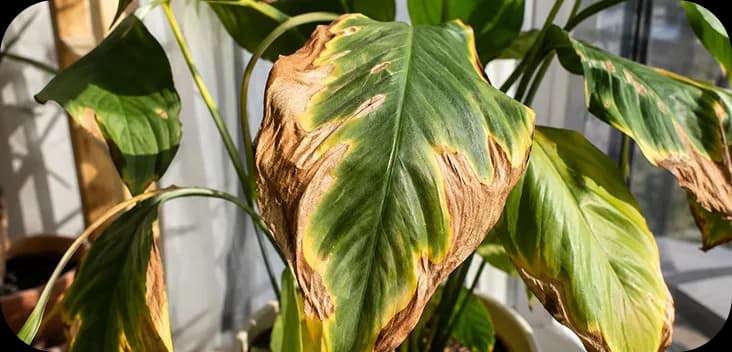
Full sun is usually suitable, but harsh exposure can still cause stress.

Bleached patches:

Leaves may develop pale tan areas on the sun-facing side after a sudden move into stronger light.

Scorched fruit:

Exposed fruit can show dry, browned, or corky patches during hot weather with intense afternoon sun.

Heat-facing wilt:

New shoots may droop during the hottest part of the day when light is paired with reflected heat.

Rapid leaf crisping:

Leaf surfaces can turn dry and papery where sunlight hits most directly, especially on young growth.

Shift a container-grown specimen out of reflected heat, or add temporary afternoon shade while it adjusts. Increase sun exposure gradually after nursery shade or indoor storage.

Weak light limits flowering and creates soft, stretched growth. Shade is not a good long-term setting for Cydonia oblonga.

  • Long internodes:

    New shoots may look thin, with wider gaps between leaves than growth made in full sun.

  • Leaning growth:

    Branches may angle strongly toward the brightest opening instead of forming an even canopy.

  • Few blossoms:

    Flowering can be sparse, and fruit set may be poor even when the plant is otherwise healthy.

  • Small new leaves:

    Active-season growth may stay smaller and weaker than expected in a shaded site.

Move the plant to a more open location with several hours of direct sun. Improve exposure in stages if it has been shaded for a long period.

If full sun is not available, choose the brightest open site with at least 4–6 hours of direct sun. Treat this as a compromise because flowering and fruiting may be lighter.

Remove or reduce nearby shade where possible, especially from fences, overhangs, or crowded branches. Rotate container-grown specimens periodically so all sides receive sun.

Deep shade beside a wall or under a dense canopy is unsuitable because it limits bloom and fruit production.

Get Personalized Care Plan

Scan your plant to receive care tips personalized for your specific plant

FAQ

For quince light requirements, full sun is best. Aim for an open outdoor position with strong direct light for most of the growing season, especially where flowering and fruiting are desired.

More Plant Light Guides

Get the Botan App

Discover how to care for your plants with Botan.

Botan app identifying a plant with a phone camera
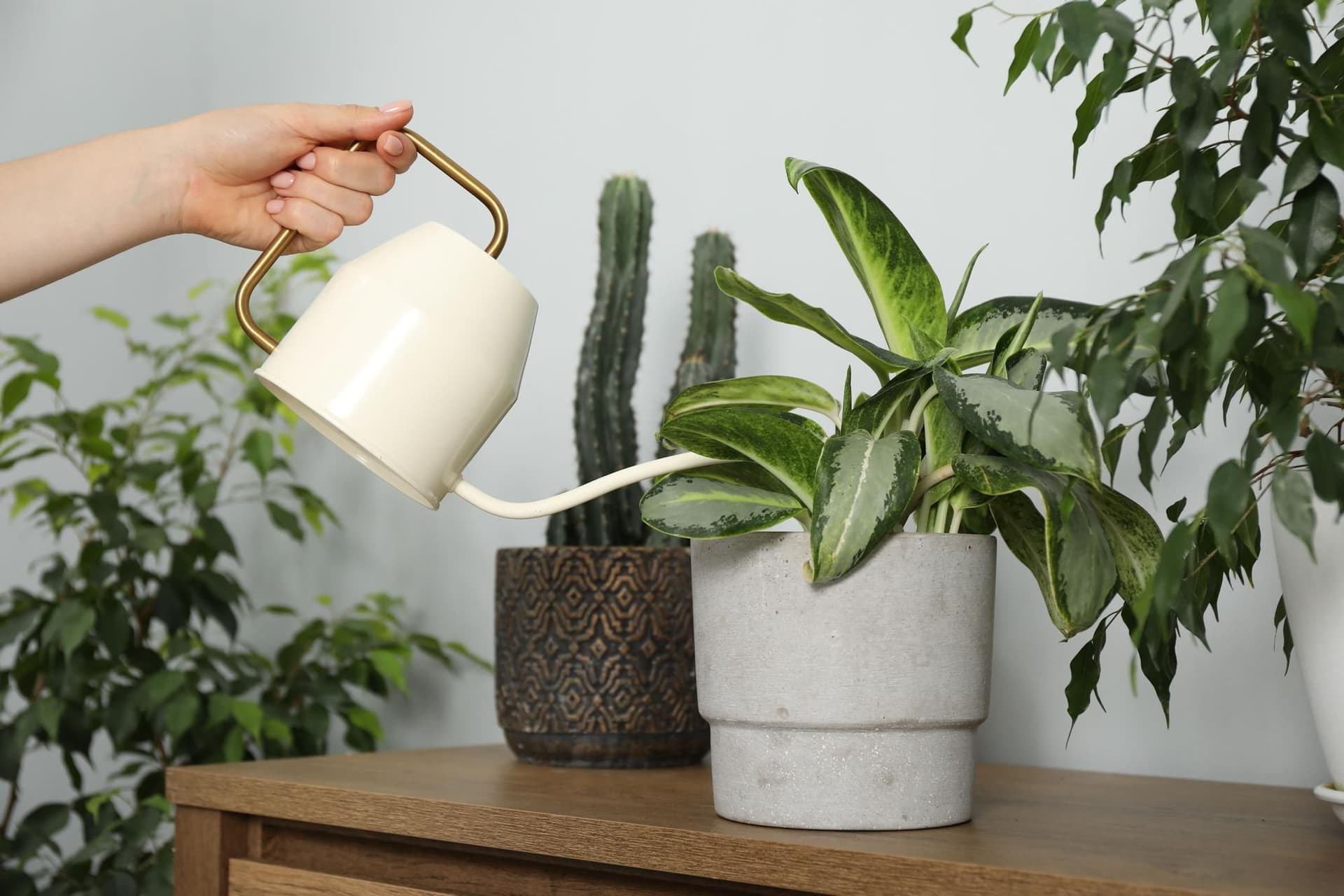
Rice Water for Plants – Which Plants Love It and How to Make It

8 min read · 14 Jul 2026

Rice Water for Plants – Which Plants Love It and How to Make It

Rice water can be an ideal DIY solution for orchids, roses, or fruiting plants. It supports growth, leaf count, and height. We’ll share how to make and apply it correctly for your plant.

Plant Care
Rice Water for Plants – Which Plants Love It and How to Make It
How to Water Houseplants: Watering Guide

7 min read · 24 Aug 2026

How to Water Houseplants: Watering Guide

Learn how often to water indoor plants, key factors for proper watering, and how to adjust the care routine by plant type, season, pot size, light, and indoor conditions.

Plant Care
How to Water Houseplants: Watering Guide
How to Clean Plant Leaves: A Simple Care Guide

6 min read · 4 Aug 2026

How to Clean Plant Leaves: A Simple Care Guide

Dusty leaves look dull and don't absorb light well. Below, you'll find simple ways to clean them, which tools are truly effective, how often you should do it, and what causes damage.

Beginner Guides
How to Clean Plant Leaves: A Simple Care Guide