


Lemon (Citrus × limon) Light Needs

Lemon grows best in full sun, with several hours of direct light each day and very bright surroundings.

Light Preference

Full Sun

Citrus × limon Light Requirements

In cultivation, this evergreen citrus is adapted to open, warm sites where the canopy receives long periods of sun. Leaves are built for high light but can scorch if a plant raised in shade is moved suddenly into harsh midday exposure.

This background explains why container and garden specimens grow, flower, and fruit best with open exposure. Preferred light is full sun.

  • Ideal exposure:

    Lemon needs about 8–12 hours of bright light daily, with at least 6–8 hours of direct sun when grown for strong growth and fruiting.

  • Full sun:

    Established plants tolerate full sun outdoors, including midday sun, if introduced gradually and kept in a suitable container or site.

  • Lower light:

    Partial sun is tolerated, but fewer than 4–5 hours of direct sun often reduces flowering, fruit set, and compact growth.

  • Harsh changes:

    Sudden moves from indoor shade to intense afternoon sun can cause leaf scorch, so increase exposure over 1–2 weeks.

Indoors, choose the brightest possible position, because fruiting citrus needs more direct sun than most home interiors provide.

NPoor
North-facing window:

Poor because north-facing light is usually too weak for compact growth, flowering, or fruiting.

EConditional
East-facing window:

Conditional because morning sun helps, but it often needs supplemental brighter exposure to flower or fruit well indoors.

SBest
South-facing window:

Best within 1–2 ft of an unobstructed south-facing window where it receives the longest direct sun indoors.

WSuitable
West-facing window:

Suitable if it gets several hours of afternoon sun and the foliage is acclimated to heat near the glass.

If growth stretches or flowering slows, move it closer to the brightest safe glass rather than deeper into the room.

Excess light usually follows a sudden increase in direct sun or severe afternoon exposure.

Bleached leaf patches:

Pale tan areas may appear on the sun-facing side of leaves after a shaded plant is moved into full sun.

Crisped exposed tissue:

Damaged areas can turn dry and papery where direct rays hit the leaf surface most strongly.

Fruit sunscald:

Exposed fruit may develop pale, firm, or tan patches on the side facing intense sun.

Heat-related curling:

Leaves may curl or angle away during hot afternoon sun, especially close to reflective walls or glass.

Move the plant to bright morning sun or filtered afternoon light. Reintroduce stronger sun gradually over 1–2 weeks.

Too little light shows most clearly during active growth, flowering, and fruit development.

  • Stretched stems:

    New shoots may grow long and thin, with wider spacing between leaves than on growth made in stronger sun.

  • Leaning growth:

    The canopy may lean toward the brightest side, even when the rest of the plant looks healthy.

  • Reduced flowering:

    Buds and blossoms may be sparse, and fruit set may be weak when direct sun is limited.

  • Small new leaves:

    New leaves may emerge smaller than normal because the plant is not receiving enough energy from light.

Move it to a brighter exposure with more direct sun. Make the change in stages if the new location is much brighter.

Give it the brightest available spot and prioritize several hours of direct morning or midday sun if full-day sun is not possible.

Rotate the container a quarter turn every 1–2 weeks so new growth stays balanced and the canopy does not lean toward one side.

Avoid a dim room or deep corner, because that setup cannot meet Citrus × limon light needs for flowering or fruiting.

Get Personalized Care Plan

Scan your plant to receive care tips personalized for your specific plant

FAQ

For Lemon light requirements, full sun is best. Aim for very bright exposure with long direct sun, especially during active growth, flowering, and fruit development.

Everything About Lemon

More Plant Light Guides

Get the Botan App

Discover how to care for your plants with Botan.

Botan app identifying a plant with a phone camera
15 Best Scary Halloween Plants and Fungi for a Spooky Garden

8 min read · 9 Oct 2026

15 Best Scary Halloween Plants and Fungi for a Spooky Garden

Want a garden that looks eerie in October? Here are 15 Halloween plants and fungi, from carnivorous traps to bleeding mushrooms. For each species, we cover its appearance, care requirements, and potential uses in your landscape.

Plant Recommendations
15 Best Scary Halloween Plants and Fungi for a Spooky Garden
How to Clean Plant Leaves: A Simple Care Guide

6 min read · 4 Aug 2026

How to Clean Plant Leaves: A Simple Care Guide

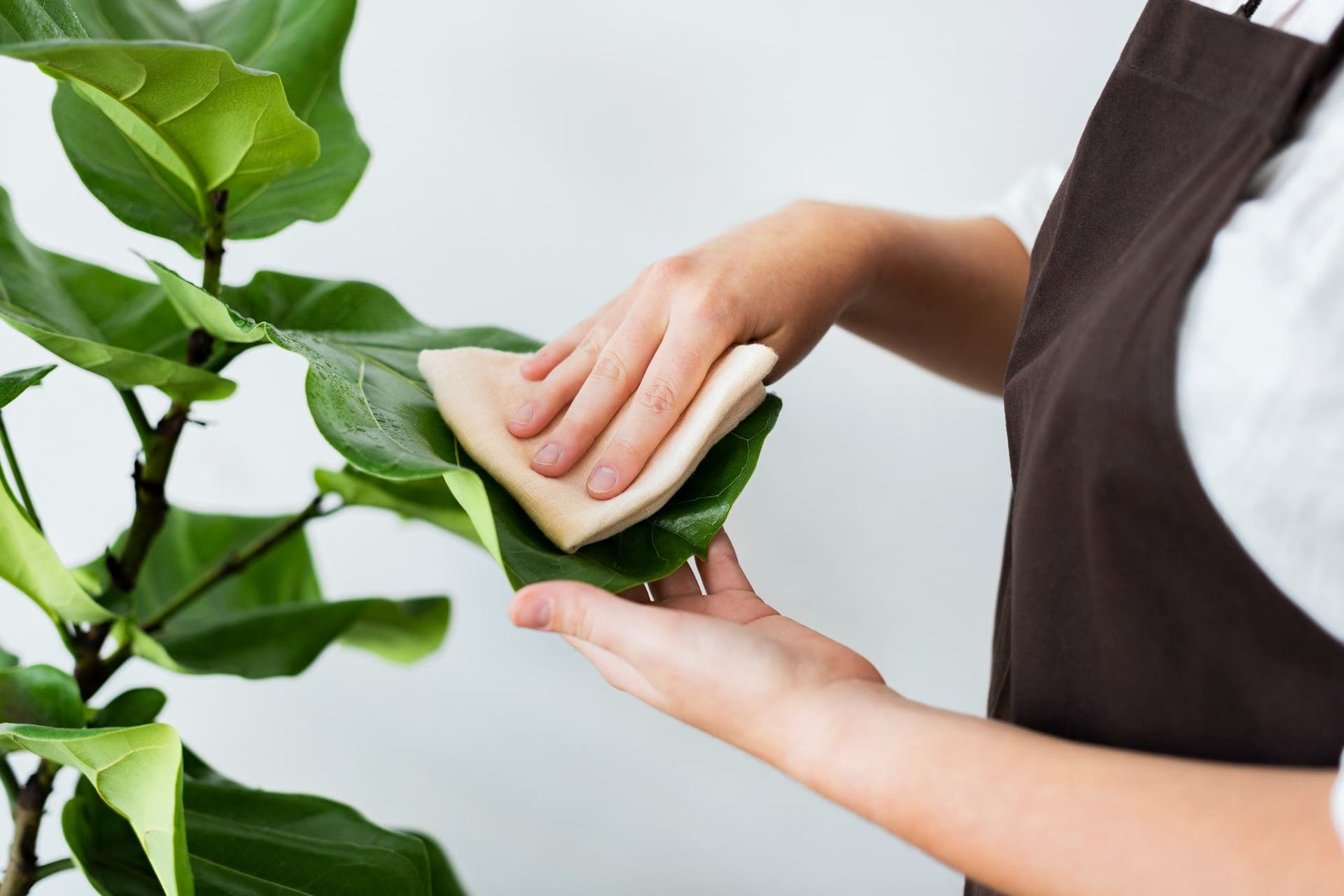
Dusty leaves look dull and don't absorb light well. Below, you'll find simple ways to clean them, which tools are truly effective, how often you should do it, and what causes damage.

Beginner Guides
How to Clean Plant Leaves: A Simple Care Guide
How to Use a Moisture Meter for Plants

5 min read · 4 Sept 2026

How to Use a Moisture Meter for Plants

Watering by feel kills plenty of houseplants. A moisture meter checks the soil for you, and takes the guesswork out of it. This guide will show you how to use it correctly, from the first touch to the final reading.

Beginner Guides
How to Use a Moisture Meter for Plants