15 Best Scary Halloween Plants and Fungi for a Spooky Garden
Want a garden that looks eerie in October? Here are 15 Halloween plants and fungi, from carnivorous traps to bleeding mushrooms. For each species, we cover its appearance, care requirements, and potential uses in your landscape.

On this page
- 1. Venus Flytrap (Dionaea muscipula)
- 2. Purple Pitcher Plant (Sarracenia purpurea)
- 3. Corpse Flower (Amorphophallus titanum)
- 4. White Baneberry (Actaea pachypoda)
- 5. Deadly Nightshade (Atropa belladonna)
- 6. Black Bat Flower (Tacca chantrieri)
- 7. Bleeding Tooth Fungus (Hydnellum peckii)
- 8. Devil's Fingers (Clathrus archeri)
- 9. Dead Man's Fingers (Xylaria polymorpha)
- 10. Witch's Butter (Tremella mesenterica)
- 11. Fly Agaric (Amanita muscaria)
- 12. Black Mondo Grass (Ophiopogon planiscapus 'Nigrescens')
- 13. Black Hollyhock (Alcea rosea 'Nigra')
- 14. Musquée de Provence Pumpkin (Cucurbita moschata 'Musquée de Provence')
- 15. Skeleton Flower (Diphylleia grayi)
- How to Choose the Best Plants for a Spooky Halloween Garden
Pumpkins are just the start of a Halloween scene. Some species look eerie without any decoration. So, what are Halloween plants anyway?
Some of the most popular ones are species with dark flowers, toxic berries, or hunting traps, like Venus flytraps and deadly nightshade. Botan helps you confirm the names of plants before you buy them. Below are 15 picks with care basics and landscape planning tips.
1. Venus Flytrap (Dionaea muscipula)

Few creepy plants act as quickly as the Venus Flytrap. Two touches to its sensitive hairs within a 20-second window cause its spiny traps to snap shut. Like other carnivorous plants, it digests its prey over the course of several days. A pot of these by the door makes for a lively scene.
- Appearance: Green traps about 1 inch wide, with red insides.
- Why It's Scary: The traps snap shut on live insects.
- Growing Conditions: Full sun, acidic soil, rainwater; zones 7–10.
- Best For: Porch bog pots.

Your Personalized Care Plan
Get personalized plant care recommendations in the app
2. Purple Pitcher Plant (Sarracenia purpurea)
.jpg%3F2026-10-09T04%253A11%253A18.491Z&w=2880&q=75)
Insects slide into these tall, tube-shaped leaves and rarely make their way back out. Their exit is blocked by downward-pointing hairs and slippery walls. Group several Purple Pitcher Plants in a tub for a miniature swamp. These carnivorous spooky plants do not need fertilizer.
- Appearance: Green-to-burgundy pitchers, 6–12 inches tall, with red veins.
- Why It's Scary: Each pitcher is a trap that digests insects.
- Growing Conditions: Full sun, wet acidic soil, rainwater; zones 3–9.
- Best For: Patio tubs grouped like a miniature swamp.
3. Corpse Flower (Amorphophallus titanum)
.jpg%3F2026-10-09T04%253A12%253A29.852Z&w=2880&q=75)
When Corpse Flower blooms, it releases a scent like rotting meat to lure carrion beetles. The monstrous spike can reach about 10 feet. Among scary plants, it is best seen on a Halloween trip to a botanical garden.
- Appearance: A maroon-and-green spathe around a tall central spike.
- Why It's Scary: Its bloom smells like rotting flesh.
- Growing Conditions: Warm, humid tropical conditions in a very large greenhouse.
- Best For: Botanical garden visits, not home backyards.
4. White Baneberry (Actaea pachypoda)
.jpg%3F2026-10-09T04%253A14%253A03.245Z&w=2880&q=75)
White berries, each with a single black dot, seem to stare at you from thick red stalks. Few plants for Halloween look quite so eerie as White Baneberry. Keep these toxic berries away from children and pets.
- Appearance: White berries with black dots on red stalks, about 2 feet tall.
- Why It's Scary: The berries look like tiny eyeballs.
- Growing Conditions: Partial to full shade, moist soil; zones 3–8.
- Best For: Shady woodland beds under tall trees.
5. Deadly Nightshade (Atropa belladonna)
.jpg%3F2026-10-09T04%253A15%253A00.319Z&w=2880&q=75)
Dull purple bell flowers of Deadly Nightshade open in summer and give way to glossy black berries. Its macabre history includes use as a poison. As a Halloween plant, it suits only yards without children or pets.
- Appearance: Purple bell flowers and shiny black berries on 3–5 foot plants.
- Why It's Scary: Every part is highly poisonous.
- Growing Conditions: Partial shade, moist soil; zones 6–9.
- Best For: Fenced beds with no children or pets nearby.
6. Black Bat Flower (Tacca chantrieri)
.jpg%3F2026-10-09T04%253A16%253A27.362Z&w=2880&q=75)
This unnatural-looking bloom has whiskers up to 12 inches long. Dark and wing-like bracts of Black Bat Flower resemble a bat in flight. It’s among those rare houseplants that people grow in a pot for a Halloween garden display.
- Appearance: Purple-black blooms with bat-wing bracts.
- Why It's Scary: The bloom resembles a bat's face.
- Growing Conditions: Warm, humid shade; zones 10–12; indoors below 60°F.
- Best For: Patio pots and indoor displays.
Not sure what's growing in your yard?
Scan any plant with Botan for a quick and accurate ID
7. Bleeding Tooth Fungus (Hydnellum peckii)
.jpg%3F2026-10-09T04%253A18%253A16.483Z&w=2880&q=75)
White caps ooze bright red droplets that look like fresh blood. These creepy mushrooms grow on the ground under conifers. Compare any find with a list of mushrooms before you touch it.
- Appearance: Whitish 2–4 inch cap, red droplets, tooth-like spines beneath.
- Why It's Scary: It looks as if the fungus is bleeding.
- Growing Conditions: Wild only; grows with conifer roots in cool, moist forests.
- Best For: Photos and autumn forest walks.
8. Devil's Fingers (Clathrus archeri)
.jpg%3F2026-10-09T04%253A19%253A24.340Z&w=2880&q=75)
Ghoulish red arms burst from a pale egg-shaped sac. Flies visit Devil’s Fingers for its rotting-meat smell. These scary mushrooms often appear in wood chip mulch in fall.
- Appearance: Red finger-like arms, 2–4 inches long, rising from a white egg.
- Why It's Scary: It looks like a hand reaching from the soil.
- Growing Conditions: Wild only; appears in moist, shaded mulch.
- Best For: Surprise finds in garden mulch beds.
9. Dead Man's Fingers (Xylaria polymorpha)
.jpg%3F2026-10-09T04%253A21%253A05.622Z&w=2880&q=75)
Black, club-shaped growths resembling fingers sprout in clusters from decaying stumps. This eerie appearance makes the stump look like a hand buried in the ground.
On young specimens of Dead Man’s Fingers, the tips are often light-colored and appear as if dusted with powder. These weird mushrooms feed on dead hardwood, not soil.
- Appearance: Black, wrinkled fingers, 1–4 inches tall.
- Why It's Scary: It looks like hands rising from a grave.
- Growing Conditions: Wild only; grows on damp, decaying hardwood.
- Best For: Old, shaded stumps in the yard.
10. Witch's Butter (Tremella mesenterica)
.jpg%3F2026-10-09T04%253A21%253A56.416Z&w=2880&q=75)
Bright yellow and jelly-like folds cling to dead branches. After rain, the fungus swells and turns glossy. In dry weather, it shrinks into a hard, wrinkled crust. These weird-looking mushrooms revive with the next rainfall.
- Appearance: Golden-yellow, brain-like folds, up to 3 inches wide.
- Why It's Scary: It looks like melted slime on dead wood.
- Growing Conditions: Wild only; needs dead hardwood, shade, and wet weather.
- Best For: Damp woodland edges and brush piles.
11. Fly Agaric (Amanita muscaria)
.jpg%3F2026-10-09T04%253A23%253A04.269Z&w=2880&q=75)
Red caps with white flecks look like a storybook illustration. This mushroom is toxic to both people and pets. A spooky garden with mature birch trees may host Fly Agaric in autumn.
- Appearance: A 3–8-inch red cap with white warts.
- Why It's Scary: It looks cheerful but is poisonous.
- Growing Conditions: Wild only; grows with birch, pine, or spruce roots in cool soil.
- Best For: Wooded yards with mature birch trees.
12. Black Mondo Grass (Ophiopogon planiscapus 'Nigrescens')

Foliage of such a dark color lends a Gothic look to any flowerbed. Its arching leaves retain an almost black hue year-round.
Small pale flowers appear in summer, followed by blue-black berries. Plant it along pathways to create a striking border for a Halloween garden.
- Appearance: Narrow, arching leaves, 6–10 inches tall.
- Why It's Scary: The dark foliage looks moody and haunted.
- Growing Conditions: Sun to part shade, moist soil; zones 6–9.
- Best For: Borders and pots beside paths.
13. Black Hollyhock (Alcea rosea 'Nigra')
.jpg%3F2026-10-09T04%253A25%253A30.764Z&w=2880&q=75)
Tall spires of deep maroon flowers rise behind everything else. They look almost black in low evening light. These spooky plants suit fences and walls. Hollyhocks are often biennial and bloom in their second summer.
- Appearance: Maroon saucer-shaped flowers, up to 5 inches wide, on 5–8-foot stalks.
- Why It's Scary: The near-black blooms look brooding and gloomy.
- Growing Conditions: Full sun, well-drained soil; zones 3–8.
- Best For: Back borders and fence lines.
14. Musquée de Provence Pumpkin (Cucurbita moschata 'Musquée de Provence')
.jpg%3F2026-10-09T07%253A11%253A24.016Z&w=2880&q=75)
Deep ribs and tan-orange skin give this pumpkin a carved look before anyone picks up a knife. Fruits weigh 10 to 20 pounds. Among Halloween plants, it makes a strong porch centerpiece.
- Appearance: Flattened, ribbed fruit that turns from green to tan-orange.
- Why It's Scary: It is the classic canvas for a jack-o'-lantern.
- Growing Conditions: Full sun, rich soil, 10 feet of vine space.
- Best For: Carving and porch displays in October.
15. Skeleton Flower (Diphylleia grayi)
.jpg%3F2026-10-09T07%253A17%253A10.811Z&w=2880&q=75)
Rain turns the white petals clear, like carved glass. Petals turn white again as they dry. Blueberries on red stalks follow in late summer. These creepy plants prefer cool, moist, and shady beds.
- Appearance: White flowers and large lobed leaves, 1–3 feet tall.
- Why It's Scary: The wet petals look ghostly and fragile.
- Growing Conditions: Cool, moist, and shaded soil under a layer of mulch.
- Best For: Shaded corners in damp, cool climates.
How to Choose the Best Plants for a Spooky Halloween Garden

A spooky garden looks best when the plants suit your space, not just your taste. Before buying anything, consider the lighting, climate, and who uses your yard. These tips will help you narrow down your list:
- Appearance: Mix heights and textures, such as mondo grass edging, tall hollyhocks, and doll's eyes berries.
- Growing conditions: Match light and water needs first. Then check your zone on the USDA Plant Hardiness Zone Map and each species' native range.
- Space: Pumpkin vines need 10 feet or more, while pitcher plants and flytraps fit in pots.
- Season: Choose plants that peak in fall, such as doll's eyes berries and ripening pumpkins.
- Safety: Avoid toxic species if children or pets visit, and never touch wild fungi before identifying them.
Start with two or three plants and add more later. Watch how they handle your conditions before you expand the display.
FAQ
Venus flytraps, purple pitcher plants, and black bat flowers top most lists of scary plants. Doll's eyes and black hollyhocks add dark color and odd shapes. Use carnivorous species in bog pots and shade lovers in woodland beds. Avoid deadly nightshade if children or pets visit.
Anastasiia Vasylchyshyna
Botanist
5+ of botanical experience
Anastasiia Vasylchyshyna studied biology at Taras Shevchenko National University of Kyiv, at the Educational and Scientific Center "Institute of Biology and Medicine." That academic grounding shaped how she approaches every article: start with the science, end with something a plant owner can actually act on.
Over the years, she's written dozens of articles on plant care and plant pathology — covering everything from seasonal plant picks, garden prep, propagation and pruning guides, and the everyday mistakes that harm houseplants. Her goal isn't just to answer a question, but to help readers understand why a plant behaves the way it does, so they can spot problems on their own next time.
Related Articles

7 min read · 13 Oct 2026
12 Best Cold-Hardy Vegetables for Cold Weather
Cold-hardy vegetables can keep a garden productive through chilly fall, winter, and early spring weather. This guide covers 12 reliable crops, their frost tolerance, and practical growing tips for better cold-season harvests.
8 min read · 6 Oct 2026
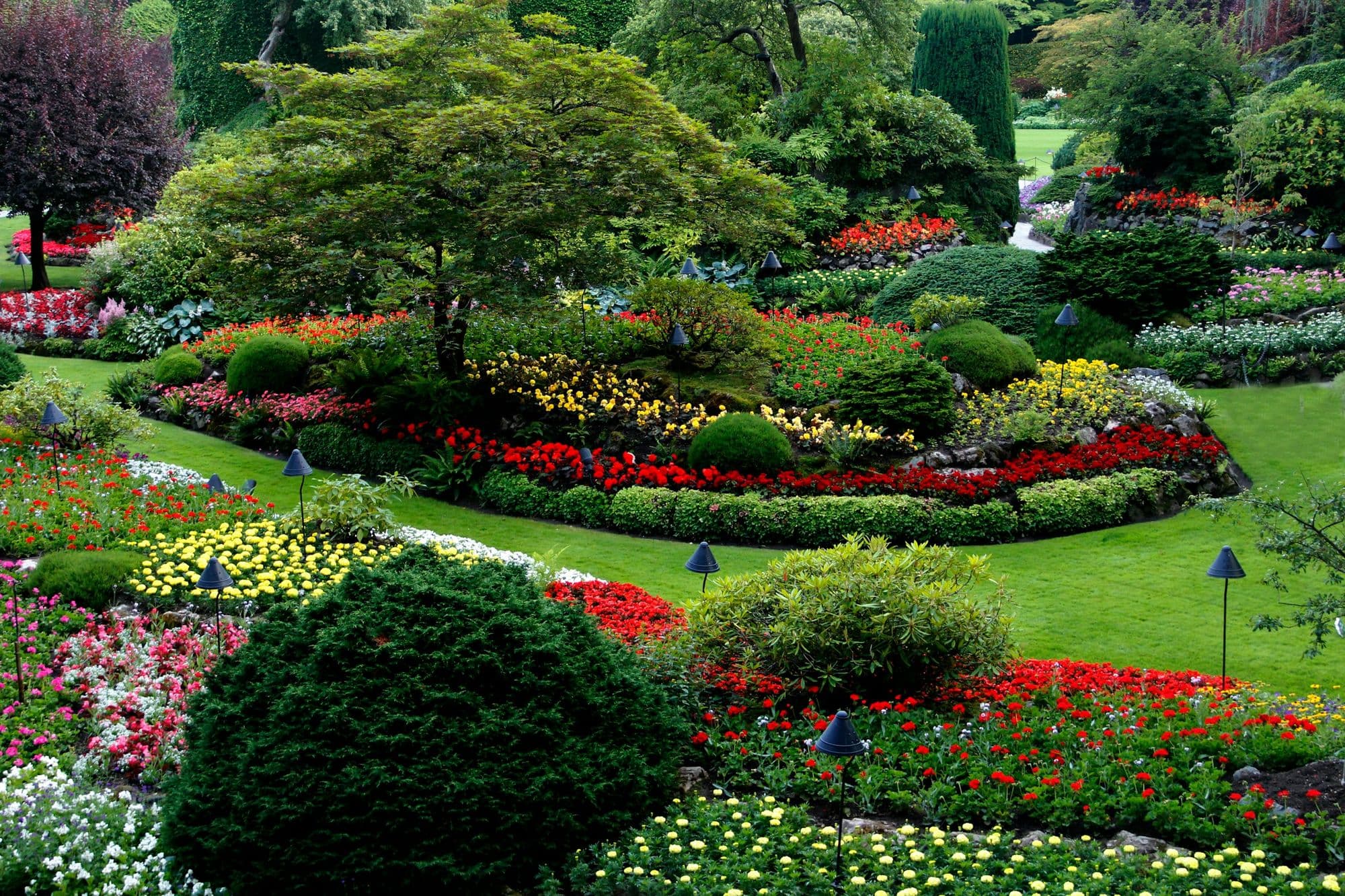
12 Best Landscaping Trees for Your Garden
Choosing the landscape tree depends on what your garden needs most. These 12 options include compact flowering specimens, colorful deciduous trees, shade varieties, and evergreens suitable for screening and year-round structure.
9 min read · 29 Sept 2026
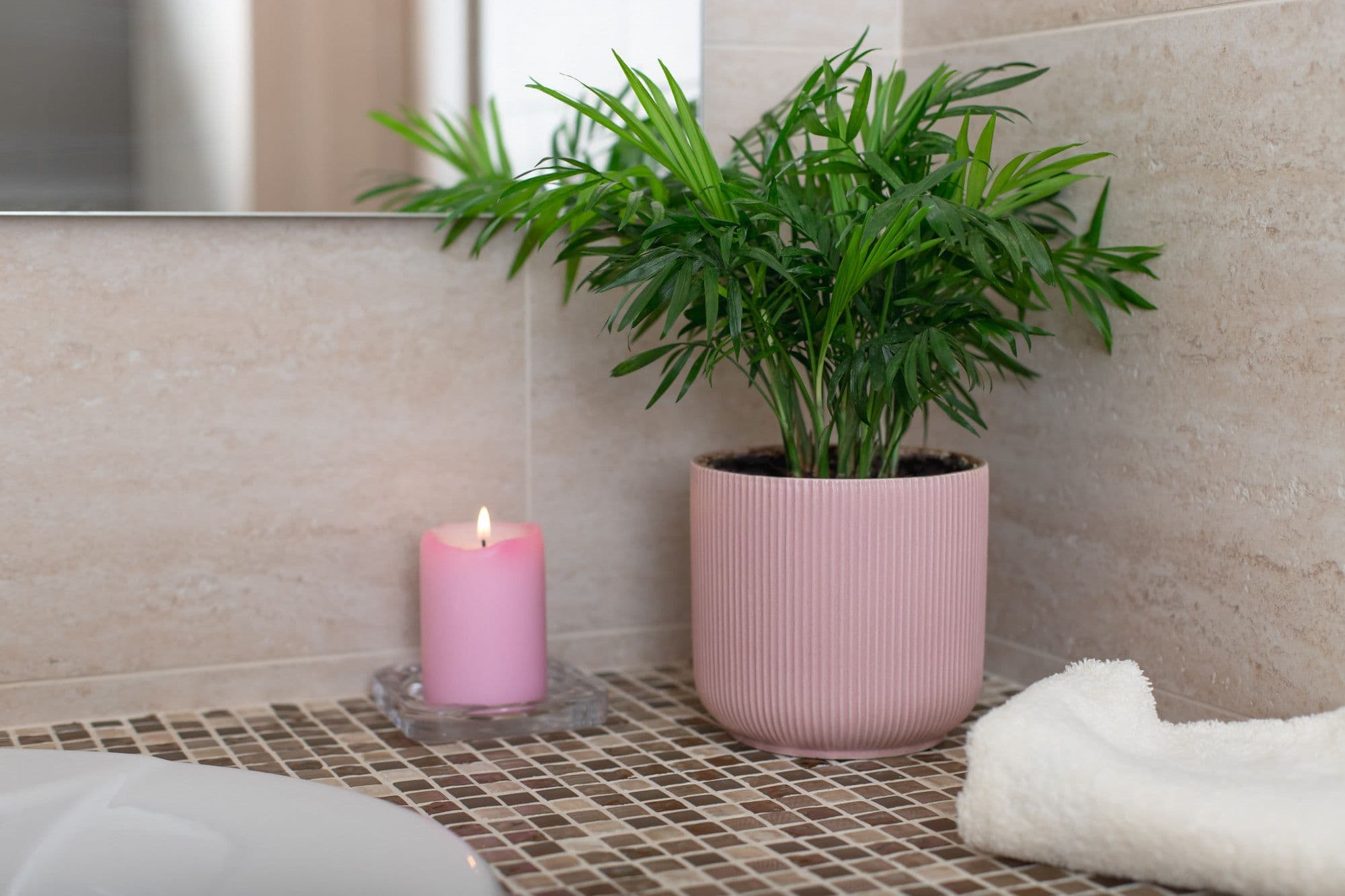
12 Best Plants for Bathroom That Thrive in Humid Conditions
Discover the 12 best plants for bathroom spaces. Each pick comes with its own advantages, plus light, humidity, watering, and placement tips. Take a look and match the plant to your specific bathroom.
Explore Plants by Care Needs
Identify the plant and problem. Help your plant recover
Identify plant problems early, understand what's wrong, and get clear care guidance. Botan helps you turn guesswork into confident plant care