Why They Trap Insects
Most plants feed through their roots. But carnivorous ones often grow in soils so depleted they can't get enough nutrients that way. So they evolved another source — catching and digesting insects to get what the ground won't give them.
This isn't aggression. It's an adaptation. Carnivory evolved at least 12 times independently across different families, always in response to the soil that simply doesn't deliver.
Four Ways Carnivorous Species Catch Their Prey
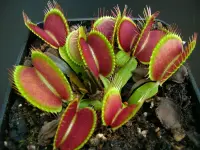
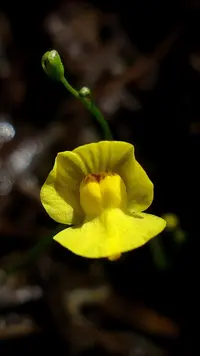
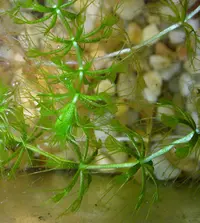
These species are classified by trap type. Many carnivorous plants names, such as bladderwort or flytrap, hint at the mechanism.
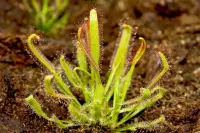
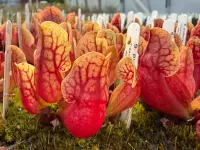
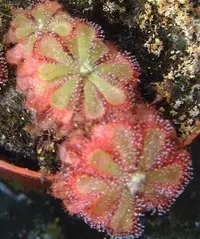
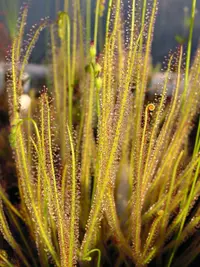
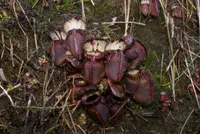
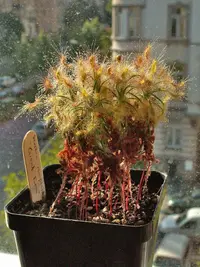
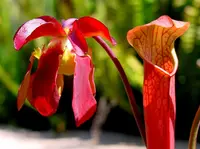
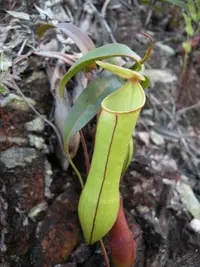
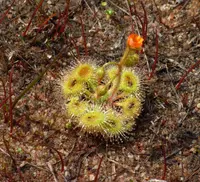
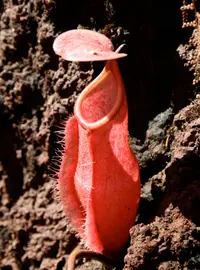
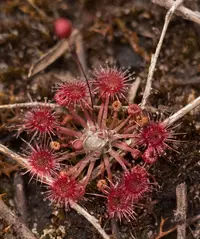
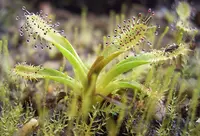
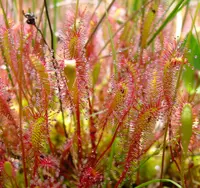
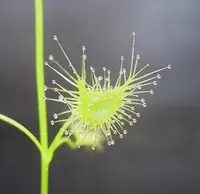
The type also determines prey size. Sticky traps like the Cape sundew catch mostly small flies and gnats, while Purple Pitcher plants can catch larger insects and occasionally small frogs.
Which Genera Have the Most Carnivorous Species?
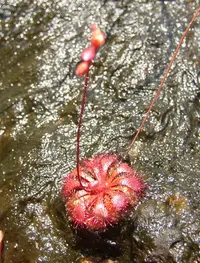
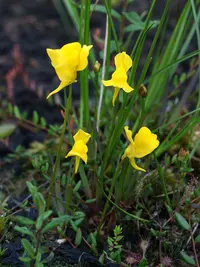
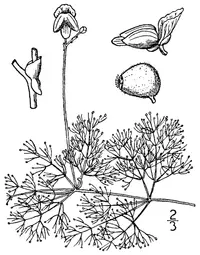
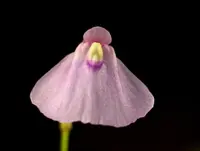
Bladderworts (Utricularia) are the largest genus with around 280 accepted species, found on every continent except Antarctica. Sundews (Drosera) follow with 260 species, with over half native to Australia.
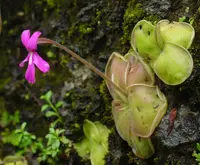
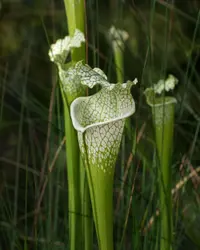
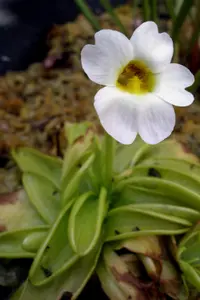
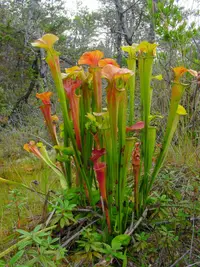
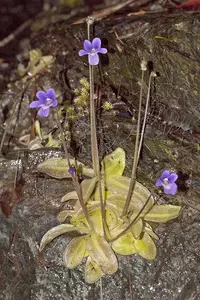
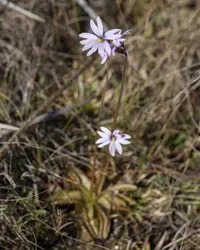
Butterworts (Pinguicula, 129 species) and American pitcher plants (Sarracenia, 11 species) round out the key genera.
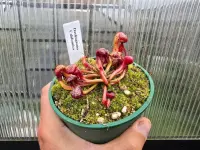
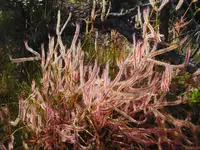
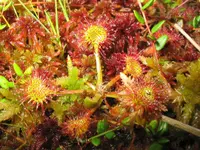
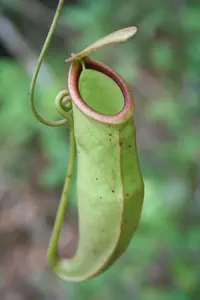
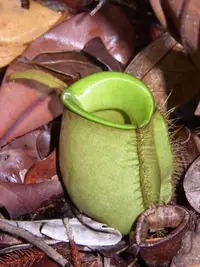
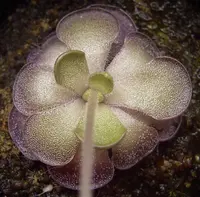
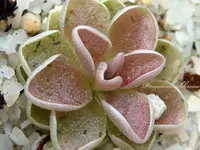
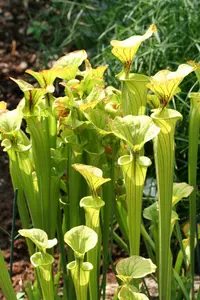
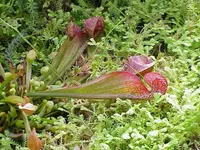
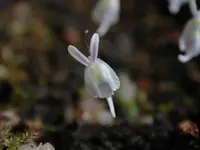
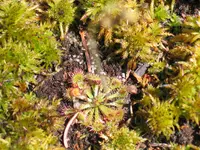
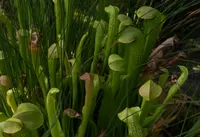
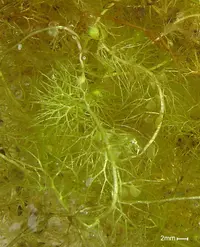
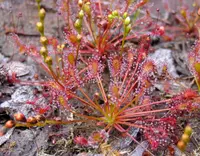
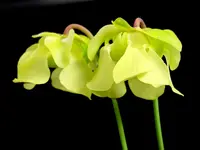
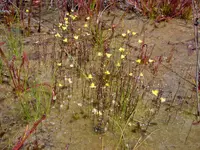
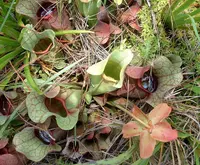
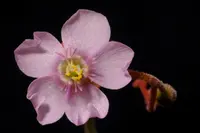
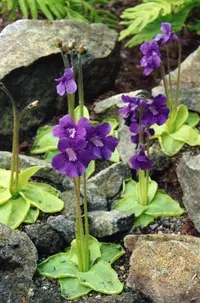
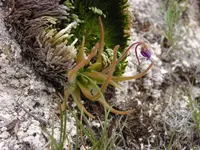
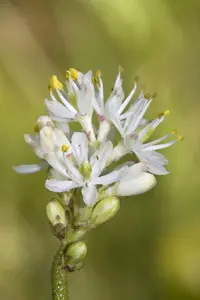
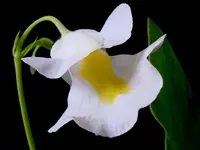
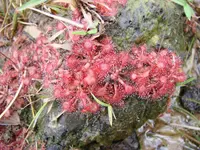
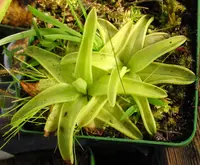
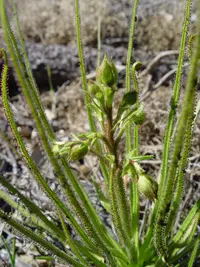
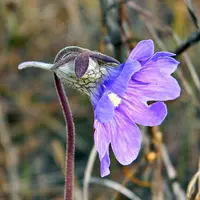
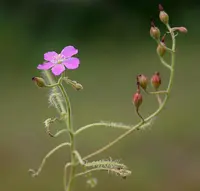
Browse carnivorous plants names and pictures in the grid above to see different genera, from the Spoon-Leaved Sundew to the Common Swamp Pitcher Plant.