waterwheel plant Care (Aldrovanda vesiculosa)

Also known as: Common Aldrovanda, Waterwheel
waterwheel plant

About waterwheel plant

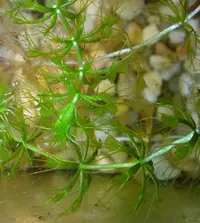
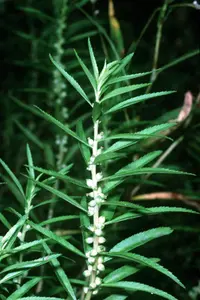
The waterwheel plant, Aldrovanda vesiculosa, is a free-floating, rootless aquatic carnivorous plant. It forms delicate whorls of narrow leaves around a flexible stem, creating a green underwater spiral.

Small snap traps at the leaf tips close quickly on tiny aquatic animals, providing nutrients in nutrient-poor water. It occurs naturally in still or slow-moving freshwaters across parts of Europe, Asia, Africa, and Australia, but is now rare in the wild.

This species is considered challenging, as it needs clean, stable water, abundant light, and suitable micro-life as food. Understanding how to care for waterwheel plant is important before attempting long-term cultivation.

Main Plant Requirements

Care Difficulty

Hard Care

Light Preference

Full Sun

Water Requirements

Aquatic

Temperature Preference

Cool Climate

Hardiness Zone

5–9

Soil Texture

Silty, Peaty, Organic-rich

Soil pH

Strongly acidic (4.5–5.5), Acidic (5.5–6.5)

Soil Drainage

Waterlogged tolerant

Fertilization

Minimal (feed rarely)

Get Personalized Care Plan

Scan your plant to receive care tips personalized for your specific plant

Available on iOS and Android

How to Care for the waterwheel plant

This free-floating aquatic carnivore needs bright conditions but not harsh, all-day sun.

  • Place Aldrovanda vesiculosa in full sun to very bright conditions, aiming for 4–8 hours of direct light, with the strongest sun ideally in the morning.
  • Allow light dappled or partial shade in the hottest afternoon hours to reduce overheating of shallow water and prevent leaf scorching.
  • In summer, monitor water clarity and algae growth, as turbid or heavily shaded water cuts light; in shorter winter days, avoid heavy overhead shading.

This plant must stay fully aquatic in low-mineral, still or gently moving water rather than soil.

  • Use rainwater, distilled, or reverse-osmosis water with very low dissolved minerals; avoid tap water unless known to be very soft.
  • Maintain at least 15–30 cm depth so shoots float freely; top up when water drops or warms excessively, using cool, low-mineral water to stabilize conditions.
  • Watch for stress: pale, shrinking whorls suggest stale, nutrient-poor or overheated water, while foul odors and decaying stems indicate stagnation and organic buildup.

This species prefers warm, stable water temperatures with protection from both frost and extreme heat.

  • Aim for growing-season water temperatures of 70–82°F (21–28°C), which support active growth and efficient trapping.
  • Protect from cold; sustained drops below 50°F (10°C) slow growth sharply, and hard frost or ice cover can kill non-dormant plants.
  • In hot spells above 86°F (30°C), provide partial shade and sufficient depth to limit overheating, especially in small ponds or containers.

This aquatic carnivorous species needs constant high humidity around its water surface to thrive.

  • Maintain air humidity near the pond or tank at 70–100% by using enclosed or semi-covered containers.
  • Dry surrounding air causes browning, curling, and reduced trap function at the shoot tips.
  • Increase localized humidity with a clear lid, humidity tent, or by clustering water-filled containers around the waterwheel plant.

This free-floating plant does not root in soil but depends on nutrient-poor, clean water and submerged organic debris.

  • Mimic natural bog pools using a layer of leaf litter or peat at the bottom, never potting Aldrovanda vesiculosa in standard potting mix.
  • Use very low-mineral water above this layer; avoid fertilizers, compost, and rich substrates that release nutrients quickly.
  • Allow slow breakdown of leaves or peat to supply mild acidity (target water pH 6.0–7.0) without creating thick mud.
  • Avoid coarse sand, gravel, or dense substrates that trap debris and reduce water circulation around the delicate whorled shoots.

This species adapts well to container culture when grown in suitably designed water vessels.

  • Choose wide, shallow tubs or basins that provide stable surface area and gentle water movement rather than depth.
  • Use opaque or dark-sided containers outdoors to limit light penetration and overheating at the rootless shoot zone.
  • Position the container where wind exposure is low so the floating strands are not repeatedly driven against the walls.

Aldrovanda vesiculosa absorbs nutrients directly from the water, so added fertilizer is usually unnecessary and often harmful in culture.

Pruning Aldrovanda vesiculosa focuses on removing spent material to maintain healthy, actively growing whorls.

  • Check plants in late spring and mid-summer, when growth is fastest, and thin out congested strands.
  • Gently remove dead, brown, or decaying stems with long tweezers to limit organic buildup and algae growth.
  • Skim away weak or shaded inner sections to improve light penetration and water circulation in the container or pond.
  • Avoid cutting healthy green tips, which hold the strongest growth and future flowering potential.

Transplanting Aldrovanda vesiculosa involves refreshing the aquatic environment rather than handling roots directly.

  • Move plants when growth resumes in spring, or after flowering, once water temperatures reach about 68–75°F.
  • Transplant if strands crowd the surface, growth slows, or water quality declines despite maintenance.
  • Shift plants into a wider, shallow container or pond zone with soft, nutrient-poor water and no strong current.
  • Lift strands gently with a fine net, keep them submerged during transfer, and avoid sudden pH or temperature changes.

Propagation of Aldrovanda vesiculosa relies mainly on vegetative division of freely branching stems.

  • Use stem division in late spring to summer, when growth is strongest and water is warm and stable.
  • Select vigorous, bright green strands with several whorls and visible side branches for new colonies.
  • Gently separate natural side branches underwater and place sections in low-nutrient, sunlit, still or very slow-moving water.
  • Seed propagation is rarely used in cultivation because it requires strict cold stratification and highly controlled water conditions.

Winter care depends on climate, because this free-floating aquatic forms hardy turions in cold regions but struggles in containers that freeze solid.

  • In temperate climates, allow turions to sink and overwinter in unfrozen lower water layers where possible.
  • For tubs or small containers, move plants to a frost-free but cool location, around 39–50°F, with clean, low-nutrient water.
  • Avoid complete ice-through by insulating outdoor containers with rigid foam or by sinking them below typical frost depth.
  • In mild climates without hard frost, maintain stable water levels and prevent heavy leaf litter from smothering floating strands.

Care Tips

Prey Density Management

Introduce small live aquatic invertebrates such as mosquito larvae or daphnia in modest, regular amounts so traps stay active and functional without polluting the water with excess decaying prey.

Seasonal Dormancy Cue

In temperate climates, gradually shorten the photoperiod and lower water temperature in autumn to encourage formation of turions (overwintering buds), then keep these cool and dark until spring reactivation.

Gentle Water Circulation

Use a low-flow air stone or gentle pump to create mild circulation that keeps plants suspended, prevents stagnation, and reduces biofilm buildup on the traps without physically tossing the strands around.

Companion Aquatic Plants

Grow the plant with a small amount of fast-growing, non-invasive submerged plants to help stabilize water chemistry and provide partial shade, but thin companions regularly so they do not outcompete the waterwheel for space and nutrients.

Quarantine New Additions

Always quarantine new aquatic plants and animals in a separate container for 2–4 weeks to reduce the risk of introducing algae, snails, or pathogens into a dedicated tank for caring for waterwheel plant.

Common Pests and Diseases

Algal overgrowth

This disease develops when excess nutrients and warm, still water allow filamentous or planktonic algae to dominate the pond surface. Symptoms include dense green water or mats that shade and crowd the plant, reducing photosynthesis and growth.

Solution

Limit nutrient input by avoiding fish overfeeding and fertilizer runoff, carry out partial water changes, and physically remove thick algal mats with a net. Increase water movement and provide some light shading; in larger outdoor ponds, introducing floating plants to compete for nutrients can also help keep algae in check for sustainable Aldrovanda vesiculosa plant care instructions.

Snail herbivory

These insects are not involved; instead, freshwater snails feed directly on whorls and trap leaves, leaving ragged edges and missing segments. Symptoms include slow decline of strands and visible snails on stems, plant baskets, or tank walls.

Solution

Manually remove snails and egg clusters from the tank walls, baskets, and plant material, and avoid introducing new snails on companion plants or décor. In contained aquaria, use snail traps or temporarily house Aldrovanda in a separate snail‑free tank until the main system is controlled.

Aquatic aphids

These insects colonize floating stems near the surface, sucking sap from young whorls and deforming new growth. Symptoms include curling, pale shoot tips and visible clusters of small soft‑bodied insects on emergent or floating portions.

Solution

Submerge affected stems briefly or gently rinse them under clean, soft water to dislodge aphids, then skim insects from the surface. For persistent problems in outdoor tubs, encourage natural predators such as lady beetles or lacewings and avoid broad‑spectrum insecticides that may harm the plant and aquatic life.

Cyanobacterial slime

This disease is caused by cyanobacteria (blue‑green algae) forming slimy, often dark green or bluish sheets on stems and water surfaces. Symptoms include foul odor, smothered whorls, and reduced vigor as the slime blocks light and oxygen exchange.

Solution

Manually remove cyanobacterial mats with a fine net or siphon, then reduce nutrients by improving filtration, lowering organic debris, and increasing water changes. Enhance water circulation and avoid stagnant warm corners, as stable, oxygen‑rich conditions make it harder for cyanobacteria to dominate.

Interesting Facts

Rootless underwater carnivore

This species has no true roots and floats freely in the water column, relying on finely divided leaf whorls for support and trapping small aquatic invertebrates for nutrients.

Ultra-fast snap traps

Its tiny leaf traps close in a few milliseconds when trigger hairs are stimulated, making it one of the fastest known plant movements, powered by rapid changes in cell turgor pressure.

Dormant winter turions

In cold climates it survives winter as compact, bud-like turions that sink to the bottom, then re-float and resume growth when water warms in spring.

Botan icon

Did you know?

This species has disappeared from much of its historical range and is now considered extinct or critically endangered in many countries, so most scientific knowledge about it comes from a small and increasingly fragmented set of natural populations and carefully managed ex situ collections.

FAQs about waterwheel plant

Yellowing often comes from poor water quality, stagnant low-oxygen water, or strong direct sun heating the pond. Check for high nutrients, algae growth, or sudden temperature shifts and refresh with clean, soft, slightly acidic water.

Grow Healthy Plants with Botan Care

Keep your plants happy and healthy with plant identification, disease detection, and easy care guidance.

Botan plant care app — identify plants on mobile

Explore More Plants