


Water Table Setup
Grow plants in pots standing in a shallow tray of low-mineral water with a stable water table, topping up the tray instead of overhead watering to keep crowns drier and reduce rot risk.

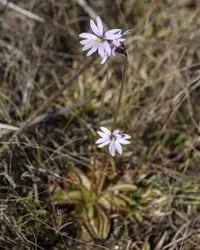
Chapman's butterwort (Pinguicula planifolia) is a small carnivorous plant that forms a flat rosette of sticky leaves close to the ground. The leaves trap tiny insects, which supply nutrients that are scarce in its natural soils.
This species occurs mainly in the southeastern United States, in wet, open habitats such as bogs, savannas, and seeps. It typically grows in sunny, consistently moist conditions with low-nutrient, acidic substrates.
The plant stays compact and produces delicate purple flowers on slender stalks above the leaves. It can be challenging to care for Chapman's butterwort because it needs pure water, poor soil, and stable moisture to stay healthy.

Care Difficulty
Hard Care

Light Preference
Full Sun

Water Requirements
Aquatic

Temperature Preference
Tropical / Frost Sensitive

Hardiness Zone
8–10

Soil Texture
Sandy, Peaty, Organic-rich

Soil pH
Strongly acidic (4.5–5.5)

Soil Drainage
Waterlogged tolerant

Fertilization
Minimal (feed rarely)
Scan your plant to receive care tips personalized for your specific plant
Available on iOS and Android
This carnivorous bog plant prefers strong light but not harsh, drying exposure.
This species comes from wet bogs and needs consistently moist to saturated conditions.
This warm-temperate carnivorous plant prefers mild, frost-free conditions for steady growth.
This species needs consistently high humidity to maintain active, sticky carnivorous leaves.
Pinguicula planifolia requires permanently wet, acidic, nutrient-poor bog-like substrate.
This species grows well in containers that can hold shallow, consistently wet substrate.
Chapman's butterwort, Pinguicula planifolia, gains most nutrients from captured insects and needs only very light supplemental feeding.
Pruning needs for Pinguicula planifolia are minimal and focus on hygiene rather than shaping.
This species dislikes frequent disturbance, so repotting or transplanting should be infrequent and gentle.
Pinguicula planifolia is usually propagated vegetatively to maintain specific traits.
Winter care focuses on keeping this carnivorous species cool, damp, and frost-free.

Plant Health Check
Not sure what's wrong with your plant? Check your plant's health inside the app.
Unlike many butterworts, this species often develops intense red to burgundy leaf rosettes in winter, especially under strong light and cold conditions. The coloration comes from high levels of anthocyanin pigments that help protect tissues from light and cold stress.
This plant is naturally restricted to acidic, nutrient-poor seepage bogs and wet pine savannas of the southeastern United States, especially in the Florida Panhandle and nearby regions. It relies on constant groundwater seepage rather than standing water, which shapes its narrow distribution.
The leaves lie very flat against the saturated substrate and produce abundant mucilage, a sticky secretion that traps small insects and springtails. Digestive glands on the leaf surface then break down the prey to compensate for the low nutrients in the bog soil, an important aspect of Pinguicula planifolia plant care in cultivation.

This species regularly grows with its leaf rosettes partially submerged or saturated in flowing seepage water, an unusual habit among carnivorous plants that are often damaged by such constant waterlogging, which makes it especially specialized for its boggy microhabitats.
Brown leaves usually come from mineral buildup, low humidity, or prolonged dryness at the roots. Use very low‑mineral water, keep the soil evenly moist, and avoid fertilizer. Older outer leaves browning and dying off is normal.
Keep your plants happy and healthy with plant identification, disease detection, and easy care guidance.

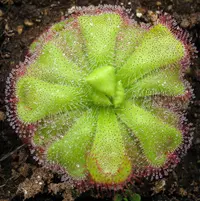
Peninsula Sundew
Drosera cuneifolia
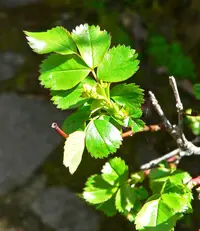
cluster rose
Rosa pisocarpa
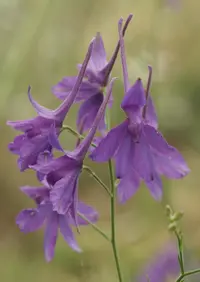
Forking Larkspur
Delphinium consolida
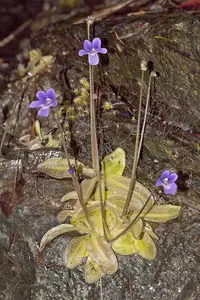
California butterwort
Pinguicula macroceras
Scarlet beebalm
Monarda didyma
Virginia mountainmint
Pycnanthemum virginianum
Australian pitcher plant
Cephalotus follicularis
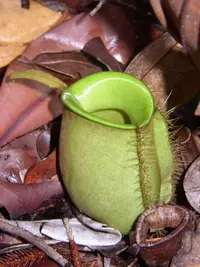
Flask-Shaped Pitcher-Plant
Nepenthes ampullaria