Pinguicula debbertiana Care

Pinguicula debbertiana

About Pinguicula debbertiana

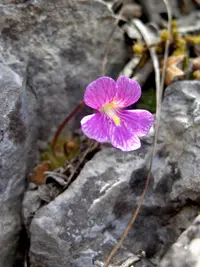
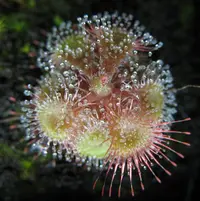
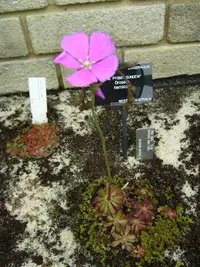
Pinguicula debbertiana is a small carnivorous plant from the cloud forests of Mexico. It forms tight rosettes of fleshy, sticky leaves that trap tiny insects. The leaves are often pale green to pinkish, with a compact, cushion-like habit suited to shallow containers. In suitable conditions it produces delicate, usually purple flowers on slender stems above the leaves. This species prefers bright but gentle light, constant moisture, and a very open, low-nutrient mineral substrate. Its small size and moderate needs make it manageable for growers once the basic conditions are stable, and learning how to care for Pinguicula debbertiana mainly involves controlling moisture and light.


Main Plant Requirements

Care Difficulty

Hard Care

Light Preference

Partial Shade

Water Requirements

Keep Soil Moist

Temperature Preference

Tropical / Frost Sensitive

Hardiness Zone

Unknown

Soil Texture

Sandy, Peaty, Organic-rich

Soil pH

Strongly acidic (4.5–5.5)

Soil Drainage

Moist but well-drained

Fertilization

Minimal (feed rarely)

Get Personalized Care Plan

Scan your plant to receive care tips personalized for your specific plant

Available on iOS and Android

How to Care for the Pinguicula debbertiana

This small Mexican butterwort prefers bright, gentle light rather than intense midday sun.

  • Provide 4–6 hours of bright indirect light or soft morning sun; east-facing exposure works well for Pinguicula debbertiana.
  • Allow light shade during harsh midday; use sheer curtains or place slightly back from a south or west window, or under filtered greenhouse light.
  • Watch leaf color and stickiness: pale, elongated leaves indicate too little light, while bleached or crispy patches signal excessive direct sun.

This species prefers evenly moist conditions with pure, low-mineral water.

  • Use rainwater, distilled, or reverse-osmosis water; avoid tap water if it is hard or chlorinated to prevent mineral buildup in the soil.
  • Keep the substrate just moist, not waterlogged; let the surface 2–3 mm lose shine before watering again, and avoid standing water deeper than 0.5–1 cm in any tray.
  • Reduce watering slightly in cooler, lower-light months, watching for limp leaves as an underwatering sign and brown, mushy bases as overwatering damage.

This Mexican butterwort prefers mild, frost-free conditions with stable temperatures.

  • Aim for 65–80°F (18–27°C) during active growth, which supports good leaf and trap formation.
  • Protect from cold: avoid drops below 40°F (4°C), and prevent any frost, which can quickly damage leaves and roots.
  • In hot weather above 85°F (29°C), increase air movement and shade from intense sun to limit overheating stress and substrate drying.

This species prefers moderate, stable humidity but adapts to many home environments.

  • Aim for 40–60% humidity to keep leaf surfaces active and sticky for prey capture.
  • Tolerates short periods down to 30%, but leaves may curl slightly and lose gloss when air is too dry.
  • Increase humidity with a nearby open-water tray or clustered plants, but avoid enclosing the rosette or misting directly.

Use a very airy, low-nutrient, mineral-based mix that never becomes waterlogged.

  • Prepare a mix such as 60–80% fine mineral grit or sand with 20–40% inert material like perlite or pumice.
  • Ensure very fast drainage so water runs through within seconds, leaving the mix moist but not saturated.
  • Target slightly acidic to neutral conditions around pH 6.0–7.0, and avoid any mix containing fertilizer, compost, or manure.
  • For Pinguicula debbertiana, avoid peat-heavy or compacted substrates, which suffocate roots and promote crown rot.

This species is well suited to container growing when moisture and drainage are tightly controlled.

  • Choose a wide, shallow pot to match the shallow root system and keep the mineral mix evenly moist without deep soggy zones.
  • Use plastic or glazed ceramic containers to slow evaporation, then fine-tune watering rather than relying on porous pot walls.
  • Elevate the pot slightly above any water tray so the mix wicks limited moisture without the drainage holes sitting directly in water.

This carnivorous species gains most nutrients from captured insects, so Pinguicula debbertiana needs only minimal supplemental feeding in cultivation.

  • Use very dilute orchid fertilizer or balanced NPK at 1⁄8–1⁄4 strength, applied to the soil only, never on leaves.
  • Feed lightly every 4–6 weeks during active warm-season growth if plants appear pale or weak.
  • Avoid any fertilizer in trays or standing water to prevent salt buildup and root burn.
  • Stop feeding in winter or during dormancy-like slowdowns, resuming only when strong new leaves appear.

This plant needs only light grooming rather than structural pruning, mainly to keep rosettes clean and healthy.

  • Trim away dead or blackened leaves with fine-tip scissors or tweezers, cutting close to the base without damaging the crown.
  • Remove moldy or decaying insect remains from leaf surfaces to limit fungal problems and maintain effective trapping surfaces.
  • Occasionally thin out old outer leaves so light reaches young inner leaves, preserving a compact rosette form.
  • Disinfect tools with alcohol before use to reduce disease risk on soft, delicate tissue.

Transplanting this small rosette-forming carnivorous plant is infrequent but helpful when the medium degrades or growth slows.

  • Check for signs such as very slow growth, compacted or algae-covered media, or roots reaching pot edges before planning a move.
  • Repot every 2–3 years in late winter to early spring, just before vigorous new growth starts.
  • Use a shallow pot with fresh airy mix, such as 2:1:1 pumice, perlite, and milled sphagnum, and handle roots gently.
  • Water lightly after repotting, keep humidity moderate, and shade from strong sun for 5–7 days to limit transplant shock.

Multiplying Pinguicula debbertiana is commonly done by leaf pullings and by small offsets around the mother plant.

  • Take healthy, non-senescent leaves in late winter or early spring, gently pulling so a bit of the white basal tissue comes away.
  • Lay leaves on slightly moist mineral-rich mix under bright, indirect light and high humidity for root and plantlet formation.
  • Separate and pot up offsets once they have several leaves and a small root system, keeping moisture steady but not waterlogged.
  • Seed sowing is possible under bright light and stable warmth, but germination is slower and less predictable than vegetative methods.

This tropical-type butterwort is not frost hardy and requires sheltered winter conditions, especially in temperate climates.

  • Keep indoor temperatures around 60–75°F in winter, avoiding cold drafts and windows that drop near freezing at night.
  • Move container plants indoors before temperatures fall below 45°F, using bright windowsills or grow lights.
  • Reduce watering slightly in cooler, lower-light months, but never allow the medium to dry out completely.
  • Avoid outdoor overwintering; no mulching is sufficient where hard frost or snow is expected.

Care Tips

Seasonal rosette management

Expect a tighter, more succulent-like winter rosette and a flatter, stickier summer rosette, and reduce disturbance or repotting during the transition periods so the plant can shift between these growth phases without stress.

Use top-dressing sand

Apply a very thin layer of inert silica sand on the substrate surface to keep leaves cleaner, reduce algae and moss growth, and make it easier to see when the crown is staying too wet.

Targeted insect feeding

If natural prey is scarce, place very small, soft-bodied insects like fruit flies on the leaf surface no more than once every 3–4 weeks to support growth without overwhelming the plant with excess organic matter.

Careful division timing

Only divide offsets when the plant is in active growth and each rosette has its own strong root system, and use a thin label or blunt tool to gently tease apart the crowns instead of pulling by hand.

Stable tray watering

For consistent moisture, set the pot in a shallow tray and maintain a low water level that is allowed to almost dry before refilling, which helps avoid sudden swings between waterlogging and dryness when growing Pinguicula debbertiana.

Common Pests and Diseases

Fungus gnat larvae

This pest lives in constantly moist media and the larvae can damage the fine roots and crown of the plant. Symptoms include slow growth, plant collapse in small rosettes, and tiny black gnats flying around the pot surface.

Solution

Allow the upper layer of the medium to dry slightly between waterings, use clean mineral media, and bottom-water rather than keeping the crown wet. Trap adults with yellow sticky cards and, if infestation persists, apply a biological control such as Bacillus thuringiensis israelensis (Bti) according to label directions to target larvae in the substrate.

Crown rot

This disease develops when the rosette center stays wet and poorly ventilated, leading to soft, brown, collapsing leaves at the growth point. Symptoms include a mushy crown, foul smell, and rapid decline of the whole plant.

Solution

Improve airflow, reduce overhead watering, and keep water away from the rosette center, especially in cool conditions. Remove affected tissue with a sterile tool, dust the crown lightly with a sulfur- or copper-based fungicide, and repot into fresh, airy, mostly mineral medium while avoiding excess moisture at the base; this is a key point in Pinguicula debbertiana care instructions.

Botrytis (gray mold)

This disease thrives on wet, stagnant leaves and old insect remains, forming gray, fuzzy mold patches on foliage or at the crown. Symptoms include spotted or soft leaves covered with gray spores, often starting where dead organic matter sits on the plant.

Solution

Increase air movement, reduce humidity spikes, and promptly remove dead leaves and insect carcasses from the plant surface. Trim affected tissue, avoid misting the rosette, and use a targeted fungicide labeled for gray mold if the infection continues to spread.

Aphids

These insects sometimes attack tender new leaves and flower stalks, sucking sap and weakening growth. Symptoms include curled or deformed leaves, sticky honeydew, and distorted flowers.

Solution

Physically rinse the plant under a gentle stream of water, keeping the crown from prolonged soaking, and pinch or wipe off visible colonies. If needed, apply an insecticidal soap or a low-toxicity systemic product labeled safe for ornamental plants, and monitor closely during flowering when new growth is most attractive to aphids.

Powdery mildew

This disease can appear in crowded, humid setups, forming white, powdery patches on leaves that may reduce photosynthesis and vigor. Symptoms include dull, pale leaf surfaces with a white coating that can spread across the rosette.

Solution

Increase spacing and airflow around plants, reduce humidity surges, and avoid temperature swings. Remove heavily affected leaves and apply a mild fungicide suitable for powdery mildew or a potassium bicarbonate-based treatment, ensuring good coverage while keeping the crown from staying saturated.

Interesting Facts

Miniature alpine rosettes

This species forms tiny, compact leaf rosettes that often stay under 2 cm across, an adaptation to the shallow, rocky substrates of its native highland habitats in northeastern Mexico.

Cool-season growth pattern

In cultivation and in nature, it typically grows most actively under cooler, bright winter conditions and slows or nearly stops growth during the hotter months, reflecting its adaptation to mild high-elevation climates.

Distinctive winter resting leaves

Instead of forming a hard bulb-like hibernaculum, it produces small, tight, non-carnivorous succulent leaves in winter, creating a dense central tuft that helps reduce water loss during drier, cooler periods.

FAQs about Pinguicula debbertiana

Lack of flowering often comes from insufficient seasonal cues. This species usually needs a cooler, drier winter rest and strong light. Without a distinct rest period and adequate light intensity, flower buds may not form or open properly.

Grow Healthy Plants with Botan Care

Keep your plants happy and healthy with plant identification, disease detection, and easy care guidance.

Botan plant care app — identify plants on mobile

Explore More Plants