Vertical mounting
Mount the plant on a vertical or steeply sloped rock slab or foam block with a thin mineral substrate layer to mimic its natural cliff habitat and keep the crown drier and better aerated.

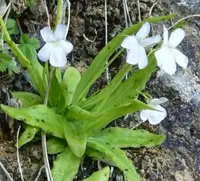
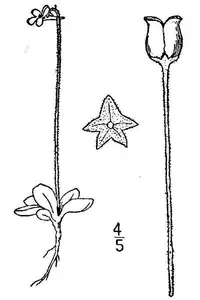
Pinguicula vallisneriifolia is a small carnivorous perennial known as a butterwort, forming flat rosettes of pale green, sticky leaves. These leaves trap small insects, which supply extra nutrients in its naturally poor habitats.
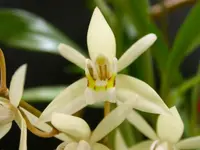
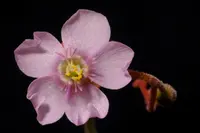
The plant occurs on limestone cliffs and moist rock faces in southeastern Spain, often in cool, bright but sheltered positions. It produces delicate, usually lilac to white flowers held above the foliage on slender stems.
In cultivation it stays compact and prefers bright light, constant moisture around the roots, and very free-draining, low-nutrient substrate. Its specialized needs mean it is moderately challenging, but once conditions are stable, it is relatively steady to manage for growers who learn how to care for Pinguicula vallisneriifolia.

Care Difficulty
Hard Care

Light Preference
Partial Shade

Water Requirements
Keep Soil Moist

Temperature Preference
Cool Climate

Hardiness Zone
7–9

Soil Texture
Rocky, Peaty, Organic-rich

Soil pH
Strongly acidic (4.5–5.5), Acidic (5.5–6.5)

Soil Drainage
Moist but well-drained

Fertilization
Minimal (feed rarely)
Scan your plant to receive care tips personalized for your specific plant
Available on iOS and Android
This alpine butterwort prefers bright, cool conditions with protection from harsh midday radiation.
This species needs consistently moist, mineral-poor conditions without prolonged waterlogging.
This cold-tolerant carnivore prefers cool to mild conditions, with protection from extreme heat and severe frost.
This species benefits from consistently moist, moderately humid air but does not need extreme humidity.
This plant needs a loose, lime-rich, fast-draining mix that stays moist but never stagnant.
This species adapts well to container culture when the pot is chosen to balance moisture retention and sharp drainage.
This carnivorous species gains most nutrients from captured insects, so Pinguicula vallisneriifolia needs only very minimal fertilization in cultivation.
Pruning needs for Pinguicula vallisneriifolia are light and focus on hygiene rather than shaping.
This species prefers stable conditions and only occasional repotting or transplanting.
Pinguicula vallisneriifolia is commonly propagated vegetatively to keep desirable traits.
This temperate butterwort benefits from a cool, drier winter rest rather than warm indoor conditions.

Plant Health Check
Not sure what's wrong with your plant? Check your plant's health inside the app.
This species is naturally restricted to vertical limestone cliffs and rock walls in a few mountain ranges in southeastern Spain, where it anchors in narrow crevices constantly bathed in seepage water rich in dissolved calcium.
Unlike many carnivorous plants that avoid mineral-rich substrates, this butterwort thrives in alkaline, calcium-rich conditions and often grows where hard water trickles over the rock surface.
In its native climate it forms broad, sticky summer leaves that trap small insects, then switches to compact, non-carnivorous winter rosettes that help it endure cooler, drier periods on exposed cliffs.

Some natural populations are confined to extremely localized sites, with plants occupying only a few square meters of continuously wet cliff face, making habitat disturbance to a single rock wall a serious threat to the long-term survival of those colonies.
This species usually flowers in late spring to early summer, producing delicate funnel-shaped blooms on slender stalks above the leaf rosette. Flowers are typically pale lilac to violet, with a lighter throat that helps guide pollinators.
Keep your plants happy and healthy with plant identification, disease detection, and easy care guidance.