western red columbine Care (Aquilegia elegantula)

Also known as: shooting-star columbine
western red columbine

About western red columbine

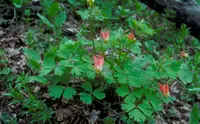
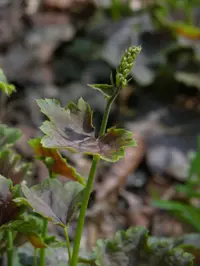
Western red columbine (Aquilegia elegantula) is a compact, clumping perennial wildflower known for its nodding red and yellow, spurred flowers. It typically has fine, fern-like foliage and slender stems that give it a light, airy look in garden beds or naturalistic plantings.

This species is native to moist mountain habitats of the western United States, often along streams, seeps, and open woodland edges. It tends to be relatively easy to grow where conditions stay cool to moderate, with consistent moisture, good drainage, and partial sun.

Gardeners who want to care for western red columbine should note that it prefers humus-rich soil and does best when protected from intense, drying heat and prolonged drought.


Main Plant Requirements

Care Difficulty

Moderate Care

Light Preference

Partial Shade

Water Requirements

Moderate Water

Temperature Preference

Cold Hardy

Hardiness Zone

4–8

Soil Texture

Loamy, Sandy, Organic-rich

Soil pH

Acidic (5.5–6.5), Slightly acidic (6.5–7.0)

Soil Drainage

Moist but well-drained

Fertilization

Minimal (feed rarely)

Get Personalized Care Plan

Scan your plant to receive care tips personalized for your specific plant

Available on iOS and Android

How to Care for the western red columbine

This species prefers bright but gentle light that mimics open woodland conditions.

  • Provide 3–5 hours of morning sun with light afternoon shade; dappled light under open trees suits western red columbine well.
  • In hot summers, protect from strong sun after 1–2 p.m. to reduce leaf scorch and premature flowering decline.
  • In cooler climates, full sun is acceptable if soil stays evenly moist; in deep shade, expect fewer flowers and taller, weaker stems.

This plant prefers consistently moist, well-drained soil without prolonged drying or saturation.

  • Allow the top 3–5 cm of soil to dry slightly between waterings, then water deeply so moisture reaches the root zone.
  • During hot, dry periods, increase watering frequency, watching for drooping foliage or dry, crumbly soil as signs that Aquilegia elegantula needs water.
  • Reduce watering in cool or rainy seasons, and watch for yellowing, limp leaves or a sour soil smell as indicators of overwatering or poor drainage.

This mountain perennial handles cool conditions well but benefits from moderate growing-season temperatures.

  • Optimal growth occurs around 55–75°F (13–24°C), with strong flowering in cool springs and mild early summers.
  • Plants tolerate winter cold down to about -20°F (-29°C) in the ground when soil is well-drained and root crowns are not waterlogged.
  • In heat above 85°F (29°C), provide shade and mulch to keep roots cool, as prolonged high temperatures can shorten bloom time and stress foliage.

This species grows well in typical outdoor humidity and rarely needs extra moisture in the air.

  • Aim for 40–60% humidity, which is common in most temperate outdoor settings.
  • Plants tolerate short dry spells but may show crisp leaf tips and faster wilting in very arid air.
  • If growing western red columbine in a hot, dry microclimate, group plants closely and mulch soil to moderate local humidity and reduce stress.

Aquilegia elegantula prefers loose, moist, well-drained soil that stays aerated around the roots.

  • Use a loamy mix with plenty of organic matter, such as garden loam blended with compost and leaf mold, to mimic woodland conditions.
  • Ensure rapid drainage by incorporating coarse sand or fine grit if the native soil is heavy or tends to hold water after rain.
  • Keep pH slightly acidic to neutral, around 6.0–7.0, avoiding strongly alkaline or saline soils that can limit nutrient uptake.
  • Avoid compacted clay and waterlogged spots; improve aeration by working in 3–5 cm of compost through the top 20–25 cm of soil before planting.

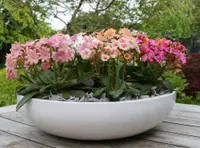
This species can be grown in containers for a few seasons if the pot setup supports its deep, delicate roots.

  • Choose a container at least 25–30 cm deep to allow the taproot and finer feeder roots to spread without circling tightly.
  • Select a heavier material such as ceramic or thick-walled clay to keep tall, flowering stems stable against wind.
  • Fill the pot with a loose, peat-free mix of compost and fine bark with added grit so water drains quickly yet the root zone stays evenly moist.

This native perennial, including western red columbine forms of Aquilegia elegantula, needs only light, targeted feeding in typical garden soil.

  • Apply a thin layer of compost or well-rotted organic matter around plants in early spring to support flowering.
  • Use a balanced, slow-release fertilizer (around 10-10-10) at half strength once in spring if soil is poor.
  • Avoid high-nitrogen products, which encourage foliage over blooms and may weaken stems.
  • Do not feed in late fall or winter, when the plant is dormant and nutrient uptake is low.

Pruning Aquilegia elegantula is straightforward and mainly supports tidy growth and repeat flowering.

  • In late spring to early summer, deadhead spent flower stems down to a healthy leaf cluster to encourage further blooms.
  • After peak flowering, cut back tall, straggly stems to maintain a compact mound and reduce self-seeding if desired.
  • Remove dead, damaged, or diseased leaves whenever noticed using clean, sharp scissors or hand pruners.
  • In late fall, trim back browned foliage close to ground level to reduce overwintering pests and promote fresh spring growth.

This species is usually grown in the ground, so focus on careful transplanting rather than frequent repotting.

  • Transplant in early spring or early fall when temperatures are mild and soil is moist but not waterlogged.
  • Look for signs such as crowded clumps, reduced flowering, or slow growth before deciding to lift and divide established plants.
  • Dig widely around the root zone, keeping as much soil on the roots as possible to reduce transplant shock.
  • Replant at the same depth in well-drained soil, water thoroughly, then shade lightly for a few days to limit stress.

Aquilegia elegantula is most commonly propagated by seed, with occasional division of older clumps.

  • Sow fresh seed in late summer to fall outdoors in pots or trays, allowing natural winter cold to break dormancy.
  • Use a free-draining seed mix, keep evenly moist, and expect germination in spring when temperatures rise.
  • For division, lift mature clumps in early spring, separating sections with several shoots and healthy roots.
  • Replant divisions promptly, water well, and provide light shade until new growth establishes.

Aquilegia elegantula is generally cold hardy and requires minimal winter care in most temperate gardens.

  • Tolerates typical winter frosts once established, especially in well-drained soil.
  • After foliage dies back, leave crowns at soil level and avoid waterlogged conditions that promote rot.
  • Apply a light mulch layer (2–5 cm) in colder regions to buffer freeze–thaw cycles around the root zone.
  • Container-grown plants benefit from moving pots to a sheltered, unheated spot to prevent repeated deep freezing.

Care Tips

Cool-root mulching

Apply a light, airy mulch layer of fine bark or leaf mold around the clumps each spring to keep roots cool and moist without burying the crown, which helps extend flowering and reduces summer stress when growing western red columbine.

Self-sowing management

After bloom, leave spent flower stalks in place until seed pods turn brown and begin to split, then shake seeds gently into nearby bare soil and cut back the stalks to encourage controlled self-seeding without letting plants become weedy.

Support on slopes

On sloped or rocky sites, tuck plants into small terraces or behind stones to protect the shallow roots from erosion and to provide natural support for the slender flowering stems in wind and heavy rain.

Targeted deadheading

During peak bloom, remove only the earliest faded flower stalks at the base while leaving newer ones intact, which channels energy into continued blooming instead of seed formation.

Summer dormancy care

If foliage declines in hot, dry weather, cut back the tattered leaves, mark the plant’s location with a label, and keep the soil lightly moist but not wet so the root system stays viable for vigorous regrowth the following spring.

Common Pests and Diseases

Leaf miner

This pest tunnels inside the leaves, creating winding, pale trails that can cause leaves to yellow and thin. Damage is often most visible in late spring and early summer on the softer new foliage.

Solution

Remove and discard affected leaves as soon as tunnels appear to break the life cycle, and keep plant debris cleaned up around the base. In heavy infestations, use a spinosad-based spray directed at the foliage, applying in the evening to limit impact on pollinators and beneficial insects.

Powdery mildew

This disease produces a white or gray, powdery coating on leaves, causing them to curl, distort, and eventually brown at the edges. Symptoms include slowed growth and reduced flowering when humidity is high and air movement is poor.

Solution

Improve air circulation by thinning crowded growth and avoid wetting foliage when watering. Remove and discard heavily infected leaves, and if needed, apply a sulfur or potassium bicarbonate fungicide labeled for ornamentals at the first sign of powdery coating.

Rust

This disease causes small yellow spots on upper leaf surfaces and orange to brown pustules on the undersides. Over time, affected leaves may yellow, dry, and drop prematurely, weakening the plant.

Solution

Promptly remove and dispose of infected leaves and any fallen debris, and avoid overhead watering to keep foliage dry. In recurrent cases, use a copper-based or other labeled ornamental fungicide early in the season, repeating as directed to protect new growth.

Aphids

These insects cluster on young stems and flower stalks, sucking sap and causing curling or distortion of leaves and buds. Sticky honeydew may appear on foliage, sometimes followed by sooty mold growth.

Solution

Rinse colonies off with a firm stream of water, especially on the undersides of leaves and around flower stalks, and encourage natural predators like lady beetles by avoiding broad-spectrum insecticides. For persistent infestations, use insecticidal soap or a light horticultural oil, coating all plant surfaces and repeating as needed.

Downy mildew

This disease leads to pale, yellowish patches on leaf surfaces with a grayish, fuzzy growth on the undersides in humid, cool conditions. Symptoms include stunted growth and early leaf drop if the infection progresses unchecked.

Solution

Increase spacing and airflow around plants, water at soil level in the morning, and remove affected leaves at once. In areas where downy mildew recurs on columbines, consider a preventative rotation of labeled downy mildew fungicides in spring as part of Aquilegia elegantula care instructions.

Interesting Facts

Hummingbird specialist

This species has long, narrow red spurs that hold nectar deep in the flower, a shape that closely matches the bill length of small North American hummingbirds, which act as its primary pollinators in the wild.

Flash-flood survivor

Aquilegia elegantula often grows along mountain streams and in moist canyons of the southwestern US, where its fibrous root system and clump-forming habit help it persist in sites that experience seasonal flooding and shifting substrates.

Hybridization in the wild

In areas where it overlaps with related columbine species, this plant can form natural hybrids, which has made it useful in studies of how floral traits and pollinator preferences drive diversification in the genus Aquilegia.

Botan icon

Did you know?

This species is native to relatively high-elevation habitats in the southern Rocky Mountains and adjacent regions, where it flowers during a short growing season yet still produces enough nectar to support migrating hummingbirds along their seasonal routes.

FAQs about western red columbine

Lack of flowers usually comes from too much shade, excess nitrogen fertilizer, or young age. It often needs 2–3 years to settle. Deadhead spent blooms and avoid heavy feeding to support repeat flowering.

Grow Healthy Plants with Botan Care

Keep your plants happy and healthy with plant identification, disease detection, and easy care guidance.

Botan plant care app — identify plants on mobile

Explore More Plants